
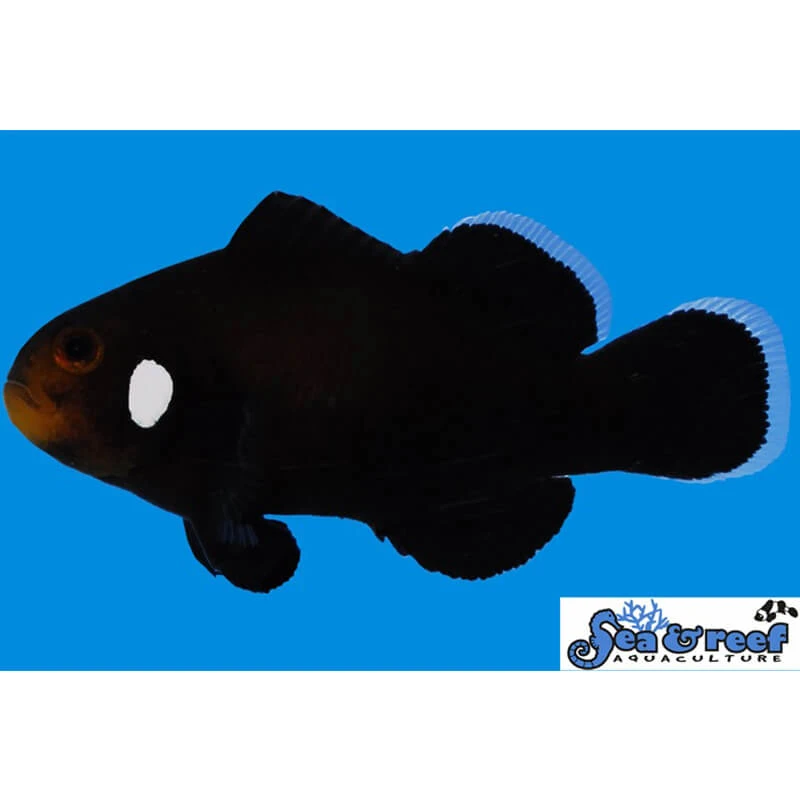


Domino Clownfish
$69.99
Amphiprion ocellaris
| Care Level | Intermediate |
| Temperament | Aggressive |
| Color Form | Black body with three white spots (spots fade with age) |
| Diet | Omnivore |
| Reef Compatible | Reef-safe with caution |
| Water Conditions | sg 1.023–1.025, 74–80°F, pH 8.1–8.4 |
| Max Size | 5.5“ |
| Family | Pomacentridae |
| Minimum Tank Size | 20 gallons |
3-Day Guarantee
Approximate Purchase Size: Small: 1″ to 1.25″; Medium: 1.25″ to 1.75″; Large: 1.75″ to 2.25″
Domino Clownfish
Also known as the Three-Spot Dascyllus or Domino Damselfish
The Domino Clownfish is a striking damselfish (Dascyllus trimaculatus) often mistaken for a clownfish due to its bold black-and-white coloration and reef-dwelling habits. Unlike true clownfish, it does not host anemones. This hardy and active species displays three distinctive white spots on a dark body, giving it a dramatic, eye-catching appearance. Domino Damselfish are slightly territorial but personable, making them a popular choice for aquarists seeking an engaging and visually unique reef fish.
Key Features
- Scientific Name: Amphiprion ocellaris
- Common Names: Domino Damselfish, Three-Spot Dascyllus, Domino Clownfish (misnomer)
- Adult Size: 5–5.5 inches (12–14 cm)
- Lifespan: 6–10+ years with proper care
- Temperament: Aggressive to very aggressive; highly territorial
- Reef Compatibility: Reef-safe with caution
- Minimum Tank Size: 30 gallons (50+ gallons recommended for adults)
- Experience Level: Intermediate
Habitat & Tank Requirements
Natural Habitat: Found throughout the Indo-Pacific from the Red Sea to French Polynesia, typically in coral-rich areas and lagoons at depths of 3–180 feet. Juveniles often shelter among coral branches or anemone tentacles (though not true hosting).
Tank Environment:
- Substantial live rock structure with caves and hiding spots
- Strong water flow
- Stable, established aquarium (2+ months recommended)
- Ample territories to reduce aggression
Water Parameters:
- Temperature: 74–80°F (23–27°C)
- Salinity: 1.023–1.025 specific gravity
- pH: 8.1–8.4
- Ammonia/Nitrite: 0 ppm
- Nitrate: <20 ppm
- Alkalinity: 8–12 dKH
Essential Equipment:
- Quality protein skimmer
- Robust filtration system
- Regular water changes (15–20% biweekly)
Diet & Feeding
Recommended Foods:
- High-quality marine pellets and flakes
- Mysis shrimp, enriched brine shrimp
- Finely chopped seafood
- Spirulina and herbivore preparations (occasional)
- Vitamin-enriched foods
Feeding Schedule:
- Feed 1–2 times daily
- Offer varied diet
- Aggressive feeders that will compete vigorously
Note: Domino Damsels are voracious eaters and may dominate feeding time, potentially starving more timid tankmates.
Behavior & Compatibility
Temperament:
- Aggressive to very aggressive, especially as adults
- Highly territorial; will defend entire tank if allowed
- Juveniles relatively peaceful but become increasingly aggressive with age
- One of the more aggressive damselfish species
- NOT suitable for community tanks with small or passive fish
Tank Mates:
- Compatible with: Large tangs, triggers, larger wrasses, groupers, lionfish, large angels – only assertive, robust fish
- Caution with: Medium-sized peaceful fish may be harassed
- Avoid: Small fish, peaceful species, other damsels (unless very large tank), multiple Dominos (extreme aggression)
Reef Compatibility:
- Reef-safe; will not harm corals or invertebrates
- May harass smaller fish to point of causing deaths
- Territorial aggression is primary concern
CRITICAL WARNING: Domino Damsels often become tank tyrants as they mature, harassing or killing tankmates. Many aquarists are forced to remove them or tear down rockwork to catch them. Consider carefully before adding.
Acclimation & Care Tips
Initial Acclimation:
- Drip acclimation over 45–60 minutes
- Float bag for temperature equalization (15–20 minutes)
- Add LAST to established tank to reduce territorial aggression
- Rearrange rockwork when adding to reset territories
Health Considerations:
- Extremely hardy and disease-resistant
- One of the toughest marine fish available
- Rarely shows health issues
- Quarantine 3–4 weeks recommended (standard best practice)
Signs of Health:
- Extremely active, aggressive swimming
- Bold, territorial behavior
- Deep black coloration with bright white spots
- Voracious feeding response
- Challenges other fish constantly
Color & Development
Coloration Characteristics:
- Juvenile: Velvety black body with three prominent white spots (one on each side mid-body, one on forehead)
- Adult: Black fades to dark gray or brownish; white spots become less distinct or disappear
- Pattern: “Domino” name refers to three white spots resembling domino dots
- Eyes: Dark with lighter highlights
- Color Change: Dramatic transformation from striking juvenile to duller adult
Development:
- Juveniles (1–2 inches) display best coloration
- White spots begin fading around 3 inches
- Adults (4–5+ inches) often lose spots entirely
- Aggression increases proportionally with size
Special Considerations
NOT a True Clownfish: This species does not host in anemones, does not have clownfish social structure (no sex change), and behaves entirely differently from true clownfish. The “Domino Clownfish” name is a complete misnomer.
Aggression Warning: This is one of the most aggressive commonly-available marine fish. Juveniles are deceptively peaceful, leading many beginners to purchase them, only to face serious aggression issues within 6–12 months. Many must be removed or rehomed.
Juvenile Appeal vs. Adult Reality: Pet stores sell adorable 1–2 inch juveniles with striking patterns. These transform into large, drab, extremely aggressive adults. Purchase only if prepared for this transformation and committed to housing with equally aggressive tankmates.
Difficulty Removing: Once established, Domino Damsels are notoriously difficult to catch. They hide deep in rockwork and are extremely fast. Many aquarists must dismantle entire aquascapes to remove problem specimens.
Better Alternatives: For beginners seeking hardy fish with similar appearance, consider true clownfish species (Ocellaris, Percula, Clarkii) which are equally hardy but far less aggressive and display more interesting behaviors.
Quarantine Essential: Despite extreme hardiness, quarantine protocols prevent introducing parasites to established tanks and allow behavior assessment before adding to display.
Why Choose a Quarantined Domino Damsel?
Quarantined specimens provide verified health, established feeding, and observation period to assess individual temperament. However, we strongly recommend considering true clownfish species instead unless you specifically want an aggressive damselfish for a tank with equally robust tankmates.
| Service Level | Quarantined |
|---|
You must be logged in to post a review.
Related products
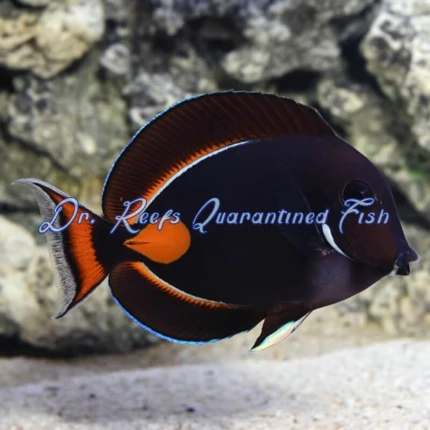
Achilles Tang
Price range: $549.99 through $649.99
Astraea Snail
Price range: $29.99 through $79.99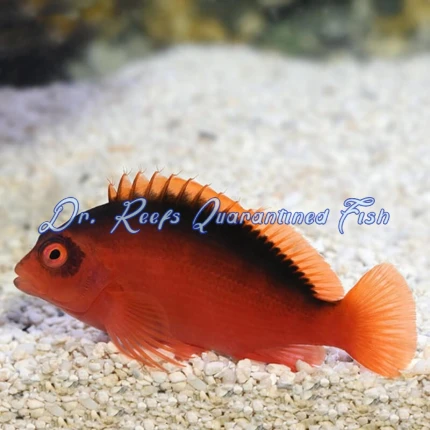
Flame Hawkfish
$99.99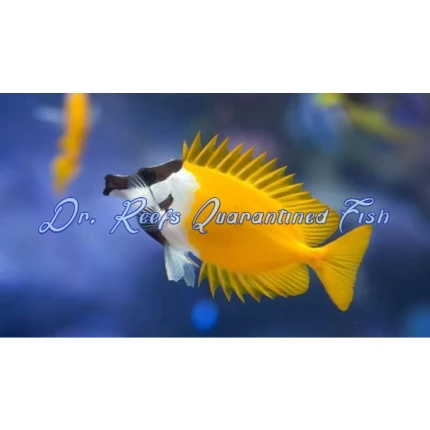
Foxface
$149.99
Midas Blenny
$99.99
Moorish Idol
$179.99
Reviews
There are no reviews yet.