
Pygmy Yellowtail Angelfish
$99.99
Centropyge flavicauda
| Care Level | Intermediate |
| Temperament | Semi-aggressive |
| Color Form | Deep blue to purple body with a bright yellow tail |
| Diet | Omnivore |
| Reef Compatible | Not reef-safe |
| Water Conditions | sg 1.023–1.025, 72–78°F, pH 8.1–8.4, dKH 8–12 |
| Max Size | 4″ |
| Family | Pomacanthidae |
| Minimum Tank Size | 55 gallons |
3-Day Guarantee
Approximate Purchase Size: Small: 1-2″; Medium: 2-3″; Large: 3-4″
Pygmy Yellowtail Angelfish
Also known as the Yellowtail Angelfish or Yellowtail Pygmy Angelfish
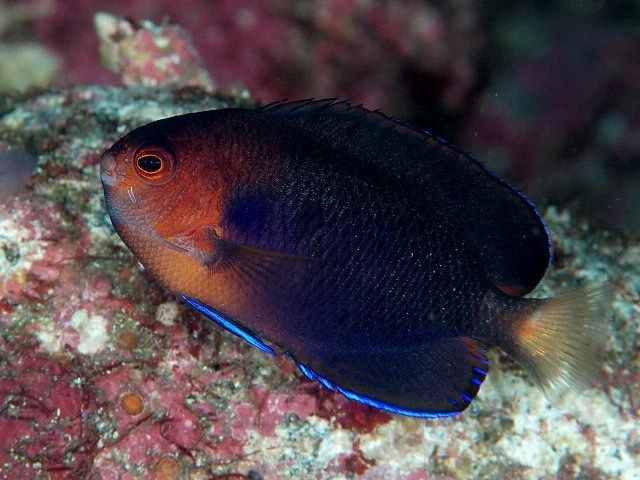
The Pygmy Yellowtail Angelfish is a stunning dwarf angelfish species featuring a deep blue to purple body with a distinctive bright yellow tail and subtle yellow accents along the back. Native to the Western Pacific, particularly around Fiji, Tonga, and surrounding regions, this moderately rare and beautiful angelfish combines elegant coloration with manageable size, making it a highly desirable addition for reef and fish-only aquariums.
Key Features
- Scientific Name: Centropyge flavicauda
- Common Names: Pygmy Yellowtail Angelfish, Yellowtail Angelfish, Yellowtail Pygmy Angelfish, Whitetail Pygmy Angelfish
- Adult Size: Up to 3–4 inches
- Lifespan: 5–10+ years with proper care
- Temperament: Semi-aggressive; territorial, especially toward other dwarf angels
- Reef Compatibility: Not reef-safe – known to nip at corals, clam mantles, and sessile invertebrates
- Minimum Tank Size: 55 gallons (minimum); 70+ gallons preferred
- Experience Level: Intermediate
Habitat & Tank Requirements
- Tank Environment: Provide abundant live rock with caves, crevices, and complex hiding spots. Pygmy Yellowtail Angels are active grazers that require territories to explore and defend, with secure areas for retreat when stressed.
- Water Parameters:
- Temperature: 72–78°F (22–26°C)
- Salinity: 1.023–1.025
- pH: 8.1–8.4
- Ammonia/Nitrite: 0 ppm
- Nitrate: <20 ppm
- dKH: 8–12
- Aquascape: Dense live rock formations with natural algae growth are essential for grazing and establishing territory. Multiple caves and hiding spots help reduce stress and provide security, particularly during acclimation.
- Compatibility: Best kept as the only dwarf angelfish in the system. Can coexist with semi-aggressive fish of different families (tangs, clownfish, wrasses, dottybacks) but may show aggression toward similarly sized or shaped fish. Avoid housing with other Centropyge species unless in very large aquariums (100+ gallons). Territorial behavior is moderate—less aggressive than Flames or Lemonpeels but more assertive than Pygmy (Cherub) Angels.
Diet & Feeding
Pygmy Yellowtail Angelfish are omnivores requiring a balanced, varied diet:
- Plant Matter: Marine algae, spirulina, nori sheets, high-quality herbivore pellets and flakes
- Meaty Foods: Mysis shrimp, vitamin-enriched brine shrimp, finely chopped seafood, copepods, quality marine pellets
- Specialty Items: Foods containing sponge material (important for maintaining health and vibrant coloration)
- Natural Grazing: Will actively pick at microalgae, film algae, and detritus on live rock throughout the day—this natural foraging is important for their well-being
- Commercial Foods: High-quality dwarf angelfish preparations, frozen angel formulas
- Feeding Schedule: Feed 2–3 times daily in small portions. Consistent varied feeding maintains vibrant blue body coloration and brilliant yellow tail.
Notes & Considerations
- Behavior: Pygmy Yellowtail Angels are active and visible once established, constantly exploring rockwork and patrolling their territory. They may be initially shy after introduction, hiding for a few days before gaining confidence. Once acclimated, they become bold and curious, often approaching during feeding times. Display moderate territorial behavior that is typical for dwarf angelfish.
- Coloration: Features beautiful deep blue to purple body coloration with a striking bright yellow tail that provides dramatic contrast. Some individuals also display subtle yellow highlights along the dorsal region. The vivid yellow tail is the species’ signature feature and most distinctive characteristic. Coloration intensity varies with diet, stress levels, and water quality; well-maintained specimens display the most saturated colors with the brightest yellow tails.
- Geographic Variations: Specimens from different regions (Fiji vs. Tonga vs. other Pacific locations) may show slight variations in blue body intensity and extent of yellow markings, though the yellow tail remains consistent across populations.
- Coral Compatibility: Not considered reef-safe. Pygmy Yellowtail Angels are known to nip at large-polyp stony corals (LPS), soft corals, zoanthids, and clam mantles. While some individuals may be less destructive than others, they should not be trusted in reef aquariums with prized coral specimens. May tolerate some hardy SPS and noxious soft corals, but behavior varies by individual. Best suited for fish-only or FOWLR (Fish Only With Live Rock) systems.
- Acclimation: Moderately hardy once established but can be somewhat sensitive during initial acclimation. Requires:
- Proper acclimation to prevent osmotic stress
- Stable water parameters without fluctuations
- Stress-free introduction without aggressive tank mates
- Secure hiding spots to reduce initial anxiety
- Patience during adjustment period (may hide for 2–5 days)
- Feeding Response: Generally good once acclimated. Most specimens adapt well to prepared foods, though some individuals may be initially shy or selective. Offering varied foods usually encourages consistent eating. Once established, most become eager, enthusiastic feeders.
- Gender: Sexual dimorphism is minimal and not easily observed externally. Pygmy Yellowtail Angels are protogynous hermaphrodites (females can transform into males). Males may be slightly larger, but this is unreliable for sexing. Captive breeding has been documented but remains rare.
- Rarity & Availability: Moderately uncommon in the aquarium trade compared to species like Flame Angels, Coral Beauty, or Lemonpeels. Collection is limited to specific Western Pacific regions, resulting in less frequent availability and moderate to higher pricing. When available, they are sought after by collectors seeking distinctive dwarf angels.
- Disease Susceptibility: Like many dwarf angels, Pygmy Yellowtails can be prone to marine ich (Cryptocaryon) and velvet (Amyloodinium), especially when stressed during acclimation or in suboptimal conditions. Quarantine is highly recommended to ensure health and prevent disease introduction to display tanks.
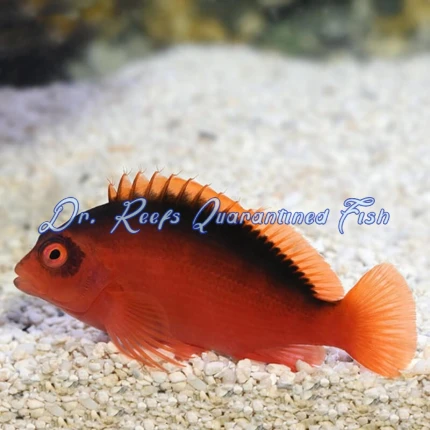
- Comparison to Similar Species: The yellow tail is distinctive and separates this species from most other blue-bodied dwarf angels. Sometimes confused with the African Flameback Angel (Centropyge acanthops), which has orange/red coloration rather than pure yellow, and a more African/Indian Ocean distribution.
- Water Quality Sensitivity: Appreciates stable, high-quality water conditions. Best added to mature, well-established systems (4–6+ months old) with stable biological filtration and natural food sources on live rock.
- Activity Level: Highly active and constantly on the move, darting in and out of rockwork and grazing throughout the day. Their energetic behavior and striking yellow tail flash add visual interest and movement to the aquarium.
- Tank Mates: Peaceful enough to coexist with most community reef fish but assertive enough to hold their own with semi-aggressive species. Avoid housing with overly aggressive fish that may intimidate them or other dwarf angels that will compete for territory.
- Personality Development: Like many dwarf angels, individual personalities vary. Some specimens become very bold and interactive, while others remain more reserved. Most fall somewhere in the middle, becoming confident within their established territories.
- Price Point: Typically moderately priced—more expensive than common species like Coral Beauty or Flame Angels but less costly than rare endemics like Potter’s or Multibar Angels. Pricing reflects their moderate rarity and desirability.
Why Choose a Quarantined Pygmy Yellowtail Angelfish?
Our quarantined Pygmy Yellowtail Angelfish are carefully acclimated, disease-screened, and conditioned on varied prepared foods before being offered for sale. Given this species’ moderate sensitivity during acclimation and relative uncommonness in the trade, proper quarantine significantly improves long-term success and protects your investment. This quarantine period ensures you receive a healthy, parasite-free specimen displaying vibrant blue body coloration with a brilliant yellow tail, plus established feeding behaviors. The combination of proper quarantine and confirmed feeding response provides the best possible foundation for keeping this beautiful and distinctive dwarf angelfish, giving you confidence that your new addition will thrive and display its stunning coloration for years to come.
| Service Level | Quarantined |
|---|
You must be logged in to post a review.
Reviews
There are no reviews yet.