

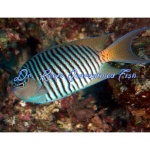
Swallowtail Zebra Angelfish (Female)
Price range: $209.99 through $241.99
Genicanthus lamarck
| Care Level | Intermediate to Advanced |
| Temperament | Peaceful and active |
| Color Form | Silver-white body with bold black vertical stripes; swallowtail (lyretail) caudal fin |
| Diet | Carnivore |
| Reef Compatible | Yes |
| Water Conditions | sg 1.023–1.025, 72–78°F (22–26°C), pH 8.1–8.4 |
| Max Size | 10″ |
| Family | Pomacanthidae |
| Minimum Tank Size | 125 gallons |
Swallowtail Zebra Angelfish (Female)
Also known as the Genicanthus Lamarck or Lamarck’s Angelfish (Female)
The Swallowtail Zebra Angelfish represents one of the most elegant and reef-safe angelfish species available to marine aquarists, with females displaying stunning silver-white bodies adorned with distinctive black vertical stripes and gracefully elongated tail fin extensions. Native to the Indo-Pacific region, including waters from the Maldives to Fiji and from Japan to Australia, this medium-sized planktivore brings peaceful temperament, active swimming behavior, and complete reef compatibility to appropriate aquarium systems. Female Swallowtail Zebra Angelfish are particularly prized for their bold contrasting pattern, hardy nature, and unique characteristic among angelfish—they are true planktivores that pose virtually zero risk to corals, making them among the safest large angelfish for reef aquariums.
Key Features
Scientific Name: Genicanthus lamarck
Common Names: Swallowtail Zebra Angelfish, Lamarck’s Angelfish, Blackstriped Angelfish, Freckletail Lyretail Angelfish
Adult Size: 8–10 inches (20–25 cm); females typically 7–9 inches in aquariums
Lifespan: 8–15+ years with proper care
Temperament: Peaceful; non-aggressive toward most tankmates
Reef Compatibility: Completely reef-safe – planktivorous, will not harm corals or sessile invertebrates
Minimum Tank Size: 125 gallons minimum (180+ gallons strongly recommended for adult females)
Experience Level: Intermediate to Advanced – requires large tanks and specific dietary needs
Habitat & Tank Requirements
Natural Habitat: Found on outer reef slopes, drop-offs, and current-swept walls at depths of 15–180 feet. Typically inhabits areas with strong water movement where they swim in open water feeding on zooplankton drifting in currents. Unlike most angelfish, they rarely graze on substrate and spend time in mid-water column.
Tank Environment:
- Spacious open swimming areas essential (Genicanthus are active swimmers)
- Strong, directional water flow mimicking ocean currents
- Live rock formations creating depth and visual interest
- Multiple hiding spots for security (though rarely used once established)
- Moderate to high water flow throughout tank
- Open water column for cruising behavior
- Secure, tight-fitting lid (can jump when startled or during acclimation)
Water Parameters:
- Temperature: 72–78°F (22–26°C)
- Salinity: 1.023–1.025 specific gravity
- pH: 8.1–8.4
- Ammonia/Nitrite: 0 ppm
- Nitrate: <20 ppm (lower preferred for long-term health)
- Alkalinity: 8–12 dKH
Essential Equipment:
- Quality protein skimmer rated for tank size
- Efficient mechanical and biological filtration
- Strong water flow (powerheads positioned to create currents)
- UV sterilizer recommended for disease prevention
- Regular water changes (20% weekly or 30% bi-weekly)
Diet & Feeding
Swallowtail Zebra Angelfish are specialized planktivores requiring a diet rich in meaty, protein-dense foods rather than the algae-based diets most angelfish need.
Recommended Foods:
- Frozen Meaty Foods: Mysis shrimp, brine shrimp, cyclops, copepods, krill (primary diet—70%+)
- Fresh Seafood: Finely chopped fish, shrimp, squid, scallops
- Prepared Foods: High-quality carnivore pellets, spirulina flakes (supplementary)
- Live Foods: Live brine shrimp, live copepods (occasional treats)
- Enrichment: Vitamin-soaked foods, omega-3 enriched preparations, garlic-enriched foods for immune support
Feeding Schedule:
- Feed 2–3 times daily minimum (constant planktivores in wild)
- Small, frequent meals preferred over large feedings
- Provide varied protein sources daily
- Target feeding may be necessary in community tanks
- Food should be offered in water column (not substrate)
- May require more frequent feeding than typical angelfish
Behavior & Compatibility
Temperament:
- Peaceful and non-aggressive toward most species
- Active, constantly swimming in open water
- Females less territorial than males
- May show minor aggression toward other Genicanthus species
- Generally one of the most peaceful large angelfish
- Bold once established; becomes quite visible
- Interesting to observe cruising behavior
Tank Mates:
- Compatible with: Tangs, wrasses, butterflyfish, clownfish, gobies, blennies, dartfish, anthias, cardinalfish, peaceful groupers, snappers, triggerfish (peaceful species), other peaceful to semi-aggressive community fish
- Caution with: Aggressive dottybacks, aggressive damselfish, very aggressive triggers, very large predatory groupers
- Avoid: Large aggressive lionfish, frogfish, aggressive eels, other Genicanthus angelfish in tanks under 200 gallons
Social Behavior:
- Best kept singly or in small harems (1 male with 2–3 females in 200+ gallon systems)
- Females generally peaceful toward each other
- Constantly swimming and cruising tank perimeter
- May school with similar-sized peaceful fish
- Non-territorial toward dissimilar species
- Can coexist with other large angelfish species (non-Genicanthus)
Reef Compatibility:
- Completely reef-safe: Planktivorous diet means zero interest in coral polyps, zoanthids, or sessile invertebrates
- Safe with all SPS, LPS, and soft corals
- Safe with all ornamental shrimp, crabs, and cleanup crew
- Will not disturb clams or other bivalves
- Among the safest large angelfish for reef aquariums
- Excellent choice for mixed reef systems
Acclimation & Care Tips
Initial Acclimation:
- Extended drip acclimation over 60–90 minutes minimum
- Float bag for temperature equalization (15–20 minutes)
- Keep lights completely off during introduction
- Minimize stress; Genicanthus can be sensitive during acclimation
- May hide for 24–48 hours initially (normal)
- Introduce during feeding time to encourage immediate feeding
Health Considerations:
- Susceptible to marine ich (Cryptocaryon), marine velvet (Amyloodinium), and HLLE (head and lateral line erosion)
- Mandatory quarantine for 4–6 weeks before adding to display tank
- HLLE can result from poor water quality or nutritional deficiencies (vitamin supplementation important)
- Generally hardy once established
- Require excellent water quality for long-term health
- Watch for labored breathing, loss of appetite, or color fading
Signs of a Healthy Specimen:
- Active swimming throughout tank with strong, graceful movements
- Clear, bright eyes with alert demeanor
- Vibrant black and white striped pattern
- Well-rounded body (not emaciated or pinched)
- Strong feeding response to offered foods
- Intact fins with characteristic swallowtail extensions
- No visible spots, lesions, cloudiness, or excess mucus
- Smooth breathing pattern without rapid gill movement
Color & Development
Female Coloration Characteristics:
- Body: Brilliant silver-white to pearl-white base color
- Stripes: Bold black vertical bars (typically 10–12 stripes) running from head to tail
- Pattern: Stripes may have slight blue iridescence under proper lighting
- Fins: White to translucent with black markings
- Tail: Distinctive lyretail (swallowtail) shape with elongated upper and lower lobes
- Face: White with black stripe pattern continuing through head
Color Intensity:
- High-quality protein-rich diet maintains brilliant white and deep black contrast
- Excellent water quality essential for vibrant coloration
- Stress causes temporary color fading or darkening of white areas
- Proper lighting enhances natural silver-white shimmer
- HLLE causes color degradation and lateral line pitting (preventable with proper nutrition)
Sexual Dimorphism:
- Females (described here): Silver-white with bold black vertical stripes
- Males: Completely different coloration—horizontal blue stripes on yellow-tan background (Genicanthus are sexually dichromatic)
- Females may transform into males if dominant male is removed (protogynous hermaphrodites)
- Female pattern more boldly contrasting than male pattern
Size & Growth:
- Females typically available at 3–5 inches
- Moderate growth rate
- Reach adult size (7–9 inches) within 18–24 months
- Females slightly smaller than males at maturity
- Swallowtail extensions develop with age and maturity
Swimming Behavior & Planktivorous Nature
Unique Swimming Patterns:
- Constantly swimming in mid-water column (unlike most angelfish)
- Graceful, flowing movements utilizing swallowtail fin extensions
- Cruises tank perimeter actively throughout day
- Rarely settles on substrate (only when sleeping)
- Strong swimmers requiring substantial open space
Feeding Behavior:
- Actively hunts suspended food particles in water column
- Does not graze on rockwork or substrate
- Picks individual food items from current
- Quick, darting movements to capture floating foods
- Completely ignores corals and sessile invertebrates
Current Preference:
- Prefers swimming into strong directional currents
- Mimics natural behavior of feeding in current-swept reef slopes
- Position powerheads to create flowing currents through open areas
Special Considerations
Large Tank Requirement: Female Swallowtail Zebra Angelfish require substantial swimming space. While 125 gallons is the absolute minimum, 180+ gallons provides the open swimming areas these active fish need for optimal health and natural behavior. Cramped quarters stress them and limit their graceful swimming displays.
Planktivorous Diet Essential: Unlike typical angelfish requiring algae-based foods, Genicanthus need protein-rich meaty foods. Feeding them standard angelfish preparations with heavy algae content won’t meet their nutritional needs. Focus on frozen meaty foods supplemented with quality pellets.
HLLE Prevention: Head and Lateral Line Erosion can affect Genicanthus species. Prevention requires:
- Excellent water quality (low nitrates essential)
- Vitamin-enriched foods (especially vitamins A, C, and D)
- Varied diet preventing nutritional deficiencies
- Minimal stress
- No activated carbon or minimal use (some evidence suggests correlation)
Jumping Risk: Genicanthus are capable jumpers, especially during acclimation or if startled. Secure, tight-fitting lids with no gaps are absolutely mandatory. Most jumping occurs during first week after introduction.
Sexual Transformation: Females can transform into males (complete color change) if the dominant male is removed or dies. This transformation typically takes 2–4 months and involves gradual shift from female striped pattern to male horizontal stripe pattern. Fascinating to observe but can be surprising for unprepared aquarists.
Not for Small Tanks: Despite their peaceful nature, these fish simply cannot thrive in tanks under 125 gallons due to their active swimming behavior and adult size. Keeping them in smaller systems causes stress, stunted growth, and health problems.
Why Choose a Female Swallowtail Zebra Angelfish?
Female Swallowtail Zebra Angelfish offer a unique combination of attributes rarely found together in large angelfish: complete reef-safety due to planktivorous diet, peaceful temperament compatible with most community fish, stunning bold black-and-white striped pattern creating instant visual impact, graceful swimming behavior with distinctive swallowtail fins, and manageable care requirements for intermediate to advanced aquarists with appropriate tank sizes.
The female’s bold vertical striping pattern is arguably more striking than the male’s horizontal stripes, creating a dramatic focal point in any aquarium. Their constant mid-water swimming and active behavior provide dynamic movement, while their peaceful nature allows them to coexist with diverse tankmates including delicate reef fish that aggressive angelfish would harass.
For reef aquarists seeking a large, colorful angelfish without the coral-nipping risks typical of the family, female Swallowtail Zebra Angelfish represent one of the safest choices available. Their planktivorous nature means they genuinely ignore corals and sessile invertebrates—not “usually safe” or “reef-safe with caution” but truly, reliably reef-safe based on dietary specialization rather than individual temperament variation.
Perfect for large reef or FOWLR systems where their swimming space requirements can be met and their graceful beauty can be fully appreciated. These elegant angelfish bring sophistication, movement, and bold pattern to appropriate aquariums while remaining remarkably peaceful and reef-compatible. A true prize for aquarists ready to provide the space and care these magnificent fish deserve.
| Service Level | Quarantined |
|---|---|
| Extended Guarantee | 3 days (Included), 7 days, 14 days |
You must be logged in to post a review.
Related products
Achilles Tang
Price range: $549.99 through $649.99
Copperband Butterflyfish
Price range: $149.99 through $218.99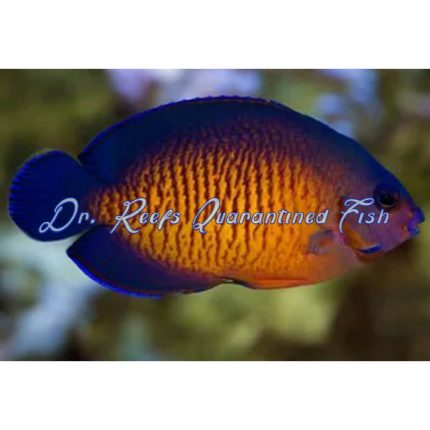
Coral Beauty Angelfish
Price range: $79.99 through $91.99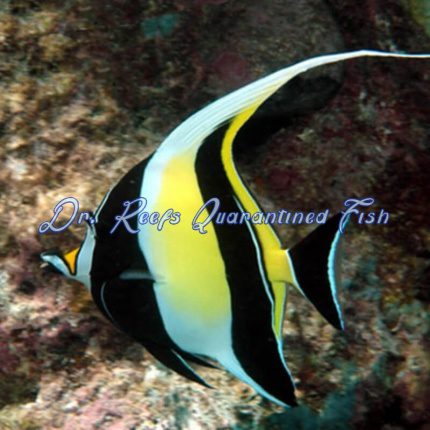
Moorish Idol
$179.99
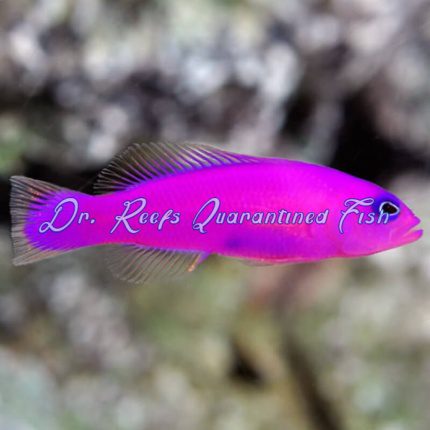
Purple Dottyback
Price range: $29.99 through $34.99
Reviews
There are no reviews yet.