
Blueface Angelfish (Juvenile)
$239.99
Pomacanthus xanthometapon
| Care Level | Advanced |
| Temperament | Shy at first; becomes semi-aggressive as it grows |
| Color Form | Dark blue body with curved white-blue stripes |
| Diet | Omnivore |
| Reef Compatible | Not reef-safe |
| Water Conditions | sg 1.023–1.025, 74–78°F, pH 8.1–8.4, dKH 8–12 |
| Max Size | 15″ |
| Family | Pomacanthidae |
| Minimum Tank Size | 220 gallons |
3-Day Guarantee
Approximate Purchase Size: Small: 1-2.5″; Medium: 2.5-3.75″; Large: 4-5″
Blueface Angelfish (Juvenile)
Also known as the Yellowface Angelfish
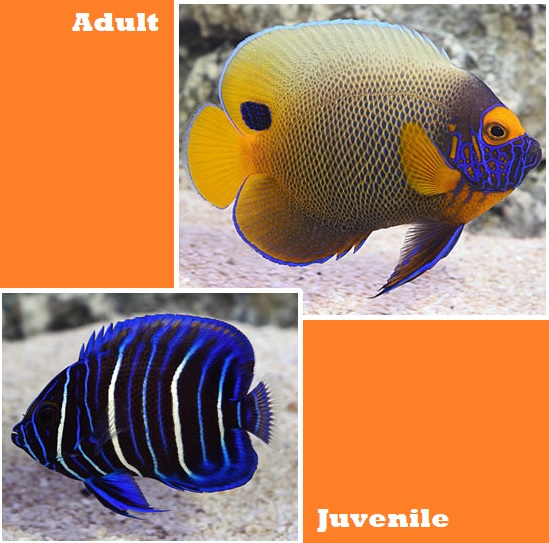
The juvenile Blueface Angelfish is a stunning young specimen of one of the most magnificent large angelfish species native to the Indo-Pacific region. Juveniles display dramatically different coloration from adults, featuring a dark blue to black body adorned with striking vertical white and blue curved stripes. This distinctive pattern provides camouflage in nature and makes juveniles highly desirable to aquarists who wish to observe the remarkable transformation into adult coloration over time.
Key Features
- Scientific Name: Pomacanthus xanthometapon
- Common Names: Blueface Angelfish, Yellowface Angelfish, Yellowmask Angelfish
- Juvenile Size: 2–5 inches (5–13 cm)
- Adult Size: 12–15 inches (30–38 cm)
- Lifespan: 15–20+ years with proper care
- Temperament: Shy initially, becoming semi-aggressive with maturity
- Reef Compatibility: Not reef-safe – will nip at corals as they mature
- Minimum Tank Size: must plan for 220+ gallon upgrade
- Experience Level: Advanced – requires commitment to large tank upgrade and long-term care
Habitat & Tank Requirements
Natural Habitat: Juveniles are found in sheltered lagoons, coastal reefs, and protected areas with abundant coral cover at depths of 10–60 feet throughout the Indo-Pacific, from the Maldives to Vanuatu. They inhabit caves, crevices, and under ledges, often in areas with branching corals that provide protection from predators.
Tank Environment:
- Abundant live rock with multiple caves, crevices, and hiding spots
- Complex rockwork structure providing security for shy juvenile
- Moderate swimming space (juveniles less active than adults)
- Well-established aquarium (3–6 months minimum for stability)
- Moderate to strong water flow with calmer refuge areas
- Subdued to moderate lighting (juveniles prefer less intense light)
Water Parameters:
- Temperature: 74–78°F (23–26°C)
- Salinity: 1.023–1.025 specific gravity
- pH: 8.1–8.4
- Ammonia/Nitrite: 0 ppm
- Nitrate: <20 ppm
- Alkalinity: 8–12 dKH
- Phosphate: <0.03 ppm
Essential Equipment:
- Quality protein skimmer appropriate for tank size
- UV sterilizer (highly recommended for disease prevention)
- Efficient biological and mechanical filtration
- Adequate water circulation
- Regular water changes (15–20% biweekly minimum)
Critical Tank Size Consideration:
- Juveniles (2–4 inches): 75–125 gallons acceptable temporarily
- Subadults (5–8 inches): Require 180+ gallons
- Adults (10+ inches): Require 220–300+ gallons minimum
- You MUST have a concrete upgrade plan before purchasing a juvenile
- Growth is moderate to fast; juveniles will outgrow smaller tanks within 1–3 years
Diet & Feeding
Juvenile Blueface Angelfish are omnivores requiring a diverse, high-quality diet to support their rapid growth and development. Proper nutrition is critical during the juvenile stage.
Recommended Foods:
- Frozen Foods: Mysis shrimp, enriched brine shrimp, finely chopped krill, cyclops, marine fish flesh, angelfish preparations
- Pellets/Flakes: High-quality marine angelfish pellets (small to medium size), spirulina-enriched formulas, growth formulas
- Plant Matter: Finely cut nori sheets, spirulina flakes, marine macro algae (30–40% of diet essential)
- Specialty Foods: Sponge-based frozen preparations, juvenile angelfish formula blends
- Live Foods (transition): May help entice newly introduced juveniles (brine shrimp, mysis)
- Prepared Mixes: Angelfish blends, marine cuisine, plankton preparations
- Supplements: Vitamin-enriched foods, garlic supplements, omega fatty acids for growth
Feeding Schedule:
- Feed 3–4 times daily in smaller portions (juveniles have high metabolism)
- Provide variety at each feeding to ensure complete nutrition
- Clip nori to glass for continuous grazing access
- Ensure food particle size is appropriate for juvenile mouth
- Monitor growth rate and body condition closely
Growth Nutrition:
- High-protein foods support healthy growth
- Adequate plant matter prevents nutritional deficiencies
- Varied diet ensures proper color development during transformation
- Quality nutrition prevents stunting and health issues
Note: Juveniles in the wild graze constantly on sponges, tunicates, and algae. Providing frequent, varied meals with both protein and plant matter is essential for healthy development and successful transformation to adult coloration.
Behavior & Compatibility
Temperament:
- Initially shy and reclusive when first introduced
- Spends considerable time hiding in caves and crevices
- Becomes gradually bolder over weeks to months
- Generally peaceful toward other species as juvenile
- Territorial behavior increases with size and maturity
- By subadult stage, becomes semi-aggressive
- Individual personalities vary
Juvenile-Specific Behavior:
- Much more timid than adults
- May hide for several days after introduction
- Nocturnal initially, becoming diurnal with confidence
- Less territorial than adults but will establish small territory
- Social hierarchy awareness develops with age
Tank Mates:
- Compatible with: Peaceful to semi-aggressive tangs, peaceful wrasses, clownfish, dartfish, peaceful gobies, blennies, cardinalfish, chromis, anthias
- Caution with: Aggressive feeders may outcompete juvenile for food; other angelfish may harass juvenile
- Avoid: Aggressive triggers, large aggressive angelfish, predatory fish that may view small juvenile as prey, territorial dottybacks
Future Compatibility Considerations:
- Tankmates suitable for juveniles may not work as fish grows
- Plan for adult compatibility, not just juvenile stage
- As fish matures, will become territorial toward angelfish
- May become intimidating to smaller peaceful fish with growth
Reef Compatibility:
- Not reef-safe: Will begin nipping corals as they mature
- Young juveniles (2–3 inches) may initially ignore corals
- By 4–5 inches, coral nipping typically begins
- Will consume SPS, LPS, soft corals, and zoanthids with maturity
- Will damage clam mantles as they grow
- Not suitable for reef aquariums long-term
- Best for FOWLR (Fish Only With Live Rock) systems from start
Acclimation & Care Tips
Initial Acclimation:
- Dim tank lights for first 48–72 hours
- Provide multiple secure hiding spots
- Minimize all activity and disturbances around tank for first week
- May take 2–5 days to begin feeding (patience essential)
- Do not chase or attempt to view if hiding
- Introduce to peaceful community for best results
Signs of a Healthy Specimen:
- Eventually emerges from hiding to feed (within first week)
- Clear, bright eyes
- Full-bodied appearance appropriate for size
- Vibrant blue and white striping with good contrast
- Feeding response to varied foods
- Smooth, intact fins
- No visible parasites, spots, lesions, or skin damage
- Even, steady breathing without rapid gill movement
- Active exploration during feeding times
Encouraging Feeding:
- Offer food near hiding spots initially
- Use aromatic foods (garlic-soaked mysis)
- Feed when lights are dimmed
- Try live brine shrimp to trigger feeding response
- Be patient; some juveniles take 5–7 days to eat
Color & Development
Juvenile Coloration (2–5 inches): Juveniles display striking, distinctive patterns:
- Body: Deep blue to black base color
- Striping: Vertical curved white stripes with electric blue edges
- Pattern: Stripes form semicircular or curved bands from dorsal to ventral
- Tail: Dark with blue edging
- Fins: Dark blue to black with blue margins
- No yellow coloration present
- Pattern provides camouflage among coral and rocks
Stripe Pattern Details:
- Typically 5–7 vertical stripes depending on size
- Stripes are broader and more prominent than in some similar species
- Pattern resembles other Pomacanthus juveniles (Semicircle, Koran, Emperor)
- Blue edging on white stripes is distinctive feature
Factors Affecting Transformation:
- Age: Primary driver of color change
- Size: Typically begins around 4–5 inches
- Growth Rate: Faster growth may accelerate transformation
- Diet Quality: Poor nutrition may delay or affect quality of adult colors
- Stress Levels: High stress can delay transformation
- Water Quality: Optimal conditions support healthy development
- Individual Variation: Timing varies between specimens
Watching the Transformation:
- One of the most remarkable color changes in marine angelfish
- Process is gradual and fascinating to observe
- Intermediate stages can be quite striking
- Allows aquarist to document entire transformation
- Major appeal of purchasing juveniles vs. adults
Why Choose a Quarantined Blueface Angelfish Juvenile?
Purchasing a properly quarantined juvenile Blueface Angelfish provides critical advantages for this sensitive life stage. Our extended quarantine protocol ensures your juvenile has overcome the significant stress of collection and shipping, has been comprehensively treated for parasites (a major cause of juvenile mortality), and is feeding confidently on a varied, nutritious diet essential for healthy growth and color development. The conditioning period allows shy juveniles to gain confidence in a secure environment before facing the challenges of a display aquarium. Given the substantial long-term commitment and eventual tank size requirements for this species, starting with a healthy, well-adjusted, feeding juvenile dramatically improves your chances of successfully raising this magnificent angelfish through its remarkable transformation into one of the most spectacular fish in the marine aquarium hobby.
| Service Level | Quarantined |
|---|
You must be logged in to post a review.
Related products
Achilles Tang
Price range: $549.99 through $649.99
Foxface
$149.99
Margarite Snail
Price range: $11.99 through $54.99
Nassarius Snail Large
Price range: $19.99 through $69.99
Ocellaris Clownfish
Price range: $29.99 through $49.99
Pajama Cardinal (Captive Bred)
$39.99
Reviews
There are no reviews yet.