
Atlantic Blue Tang (Juvenile)
$79.99
Acanthurus coeruleus
| Care Level | Intermediate |
| Temperament | Semi-aggressive |
| Color Form | Bright yellow body with light blue fin edges |
| Diet | Herbivore |
| Reef Compatible | Reef-safe |
| Water Conditions | sg 1.023–1.025, 74–80°F, pH 8.1–8.4 |
| Max Size | 10“ |
| Family | Acanthuridae |
| Minimum Tank Size | 180 gallons |
3-Day Guarantee
Approximate Purchase Size: Small: 1-2.5″; Medium: 2.5-3.75″; Large: 4-5″
Atlantic Blue Tang (Juvenile)
Also known as the Caribbean Blue Tang Juvenile or Yellow Doctorfish.
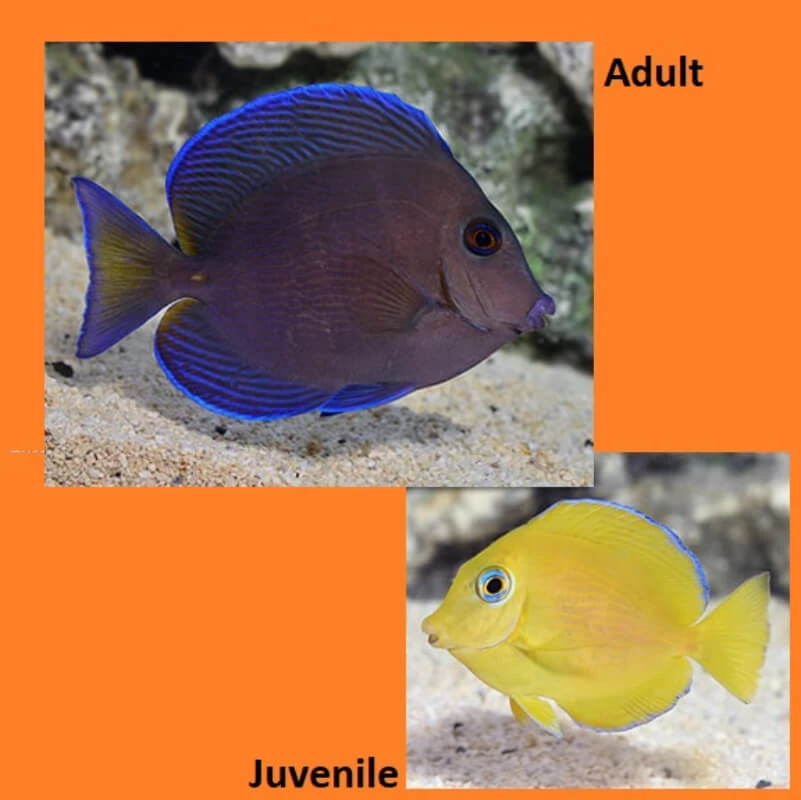
Juvenile Atlantic Blue Tangs are instantly recognizable by their bright, vibrant yellow coloration, making them one of the most eye-catching young surgeonfish in the aquarium trade. As they grow, their color slowly transitions from yellow to a brilliant cobalt blue, creating a stunning transformation that hobbyists love to watch. Active, curious, and constantly grazing, juvenile specimens adapt well when properly quarantined and placed in mature systems with stable water parameters.
Key Features
Scientific Name: Acanthurus coeruleus
Common Names: Atlantic Blue Tang Juvenile, Yellow Atlantic Blue Tang, Yellow Doctorfish
Adult Size: 8–10 inches (20–25 cm)
Lifespan: 10–12+ years with proper care
Temperament: Semi-aggressive as they mature; generally peaceful as juveniles
Reef Compatibility: reef-safe and will not harm corals or invertebrates.
Minimum Tank Size: 125 gallons (180+ gallons recommended for adults)
Experience Level: Intermediate, needs stable water and algae availability.
Habitat & Tank Requirements
Natural Habitat:
Juveniles inhabit shallow reefs, seagrass beds, and protected lagoons across the Caribbean, Florida, and Bermuda. They often graze in small groups.
Tank Environment:
- Provide plenty of rockwork for grazing and shelter
- Strong flow with oxygen-rich water
- Open swimming areas
- Mature tank with natural algae growth
- Use of UV sterilizer strongly recommended
Water Parameters:
- Temperature: 74–80°F (23–27°C)
- Salinity: 1.023–1.025
- pH: 8.1–8.4
- Ammonia/Nitrite: 0 ppm
- Nitrate: <15 ppm
- Alkalinity: 8–12 dKH
Essential Equipment:
- Oversized protein skimmer
- Strong circulation pumps
- UV sterilizer
- Auto top-off system
- Regular water changes (10–15% weekly or 20% biweekly)
Diet & Feeding
Juvenile Atlantic Blue Tangs are herbivores that graze frequently throughout the day.
Recommended Foods:
- Dried nori (green, red, or brown)
- Spirulina flake and pellets
- Frozen herbivore blends
- Marine algae sheets
- Occasional mysis or brine shrimp
- Garlic or vitamin-soaked foods for immunity
Feeding Schedule:
- Feed 2–3 times daily
- Keep a nori clip available
- Offer a balanced herbivore-based diet
Behavior & Compatibility
Temperament:
Juveniles are generally peaceful, active, and highly social. Aggression typically increases as they approach adulthood.
Tank Mates:
Compatible with:
- Wrasses
- Gobies
- Blennies
- Chromis
- Anthias
- Peaceful reef-safe fish
Caution with:
- Other tangs, especially Acanthurus species
- Larger aggressive fish
Avoid:
- Triggers
- Groupers
- Keeping multiple juveniles in small tanks
Color & Development
Coloration Characteristics:
- Bright yellow body (signature juvenile color)
- Blue edging on dorsal and anal fins
- Small white caudal spine
- Blue hues slowly develop as they age
Color Intensity:
High-quality algae-based diet maintains vibrant yellow coloration in juveniles and deepens blue coloration during transition.
Size & Growth:
Juveniles range from 1–3 inches and grow rapidly. Color transformation typically begins around 3–4 inches and continues into adulthood.
Acclimation & Care Tips
Initial Acclimation:
- Float bag 15–20 minutes for temperature match
- Lower lights during release
- Offer nori immediately
- Use acclimation boxes to reduce aggression from tankmates
Signs of a Healthy Specimen:
- Bright yellow coloration
- Clear eyes with no cloudiness
- High activity level
- Strong grazing behavior
- Smooth fins and no visible spots
- Steady appetite
Breeding Potential
Breeding Atlantic Blue Tangs in captivity is extremely rare. They require large open-water environments and group-spawning conditions that cannot be replicated in home aquariums. While juveniles may show natural social behaviors, successful spawning is not expected in typical aquarium setups.
Why Choose a Quarantined Atlantic Blue Tang Juvenile?
A properly quarantined juvenile adapts quickly, begins feeding confidently, and transitions smoothly into your aquarium. This ensures long-term health, better coloration during growth, and a greatly reduced risk of disease introduction.
| Service Level | Quarantined |
|---|
You must be logged in to post a review.
Related products
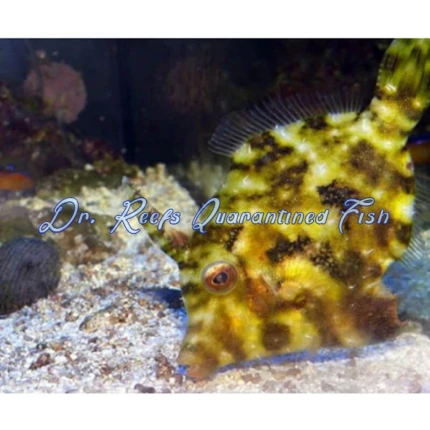
Aiptasia Eating Filefish
$99.99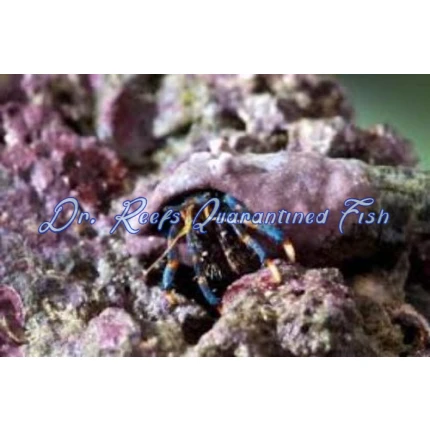
Blue Leg Hermit Crabs
Price range: $19.99 through $74.99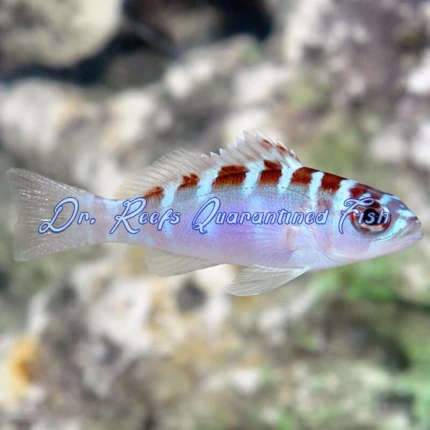
Chalk Bass (Wild Caught)
$49.99
Copperband Butterflyfish
Price range: $149.99 through $189.99
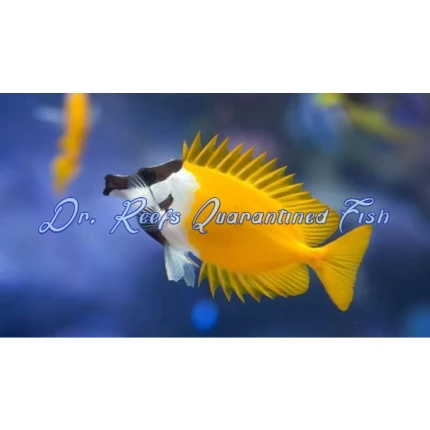
Foxface
$149.99
Nassarius Snail Large
Price range: $19.99 through $69.99
Reviews
There are no reviews yet.