
Clown Triggerfish for Sale: Beauty, Aggression, and Tank Compatibility

Clown Triggerfish for Sale: Beauty, Aggression, and Tank Compatibility
A fish that looks painted on, and behaves nothing like it looks
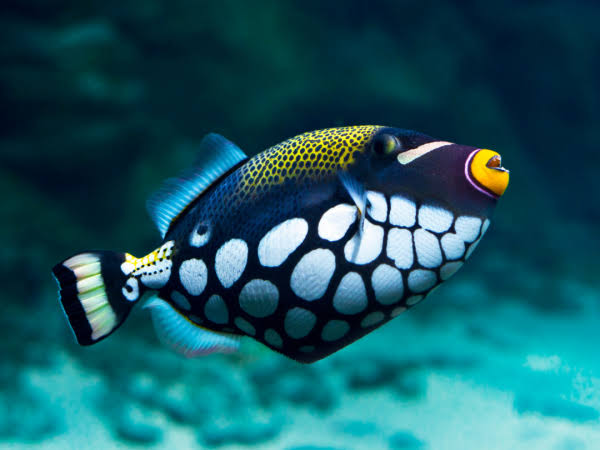
Black body, bold white polka dots, a bright yellow lower half, and a mouth ringed in a pattern so precise it looks hand-drawn. The Clown Triggerfish is one of the most photographed fish in the entire marine hobby, and it’s easy to see why people fall for it at first sight. What that first look doesn’t tell you is how this fish behaves once it settles into a tank. It is powerful, intelligent, territorial, and capable of reshaping an entire aquascape overnight.
Before you consider a Clown Triggerfish for sale, here’s an honest look at what makes this species so compelling and exactly what it takes to house one responsibly.
Why This Fish Is So Aggressive
Aggression in the Clown Triggerfish isn’t a phase it grows out of. It’s a defining trait of the species, and it intensifies with age. Juveniles sold at a few inches long are genuinely calm and almost deceptively docile, which is part of why so many buyers underestimate what they’re taking on. As the fish matures, it becomes increasingly territorial, willing to attack tankmates it once ignored, and confident enough to challenge anything that enters its space, including the hand of the person feeding it.
This isn’t a temperament issue that better acclimation or a bigger tank fully resolves. It’s baked into the species, and successful keepers plan their entire stocking strategy around it rather than fighting against it.
Tank Requirements Before You Even Consider Buying One
Minimum Tank Size
A Clown Triggerfish needs a minimum of 300 gallons once it reaches adult size, which can approach 18 to 20 inches in a well-fed specimen. This isn’t a fish that can be “grown into” a smaller system with a plan to upgrade later. Undersized housing accelerates aggression and stress, and retrofitting a large enough tank after the fact is far harder than starting with the right size.
Securing Everything in the Aquascape
This species has jaw strength that can crack heavy shells, and that same strength gets applied to anything else in the tank it decides to move, bite, or rearrange. Heaters, powerheads, and other equipment need to be fully protected or shielded, and rockwork must be rock-solid, since a Clown Triggerfish will reposition an entire aquascape regardless of how heavy the pieces are. A secure, heavy-duty lid is non-negotiable too, as this species is a strong and determined jumper.
What Can (and Can’t) Live With a Clown Triggerfish
This is where most stocking plans go wrong. This species is not reef safe under any circumstances, and it will eat or destroy shrimp, crabs, snails, clams, and most corals it can reach. In terms of fish, only large, similarly aggressive species stand a real chance of coexisting peacefully; think large puffers, groupers, or eels that are too big to be viewed as prey. Anything small enough to swallow is at serious risk, and even larger passive fish can be bullied or injured.
Careful compatibility planning matters more with this species than almost any other in the hobby. Our saltwater fish compatibility guide is a useful starting point for identifying species that can genuinely hold their own in a tank built around a Clown Triggerfish.
Feeding: The Key to Managing Aggression and Health
A varied, protein-rich diet does double duty for this species. Offer whole squid, large krill, fish fillets, and hard-shelled foods like crab, lobster, and clams in the shell, since gnawing on hard prey is essential for wearing down teeth that grow continuously throughout the fish’s life. Feed once or twice daily in generous portions, and remove uneaten food promptly, since this is a messy eater and overfeeding quickly leads to water quality problems in a system already carrying a heavy bioload.
Consistent, satisfying feedings also help reduce redirected aggression toward tankmates, though they won’t eliminate territorial behavior.
Quarantine Is Essential With a Fish This Powerful
A fish capable of doing this much damage to an aquascape can do just as much damage to your other livestock if introduced with an untreated parasite or disease. Quarantining a Clown Triggerfish before it joins your display also gives it time to acclimate to prepared and hard-shelled foods in a controlled setting. Our quarantine protocol details exactly how every specimen is observed, treated, and trained to accept a varied diet before it’s ever offered for sale.
Acclimating Your Clown Triggerfish
Shipping is stressful for any fish, but a species this alert and intelligent tends to show it clearly through erratic swimming or hiding behavior in the first day or two. Use a slow drip acclimation, keep lighting dim initially, and resist handling the fish more than necessary, since this species can deliver a serious bite even to careful hands. Our full acclimation guide walks through the process step by step.
For More on Growth and Long-Term Sizing
If you’re still weighing whether your tank plans can accommodate this species over the next decade, our in-depth look at Clown Triggerfish growth, tank size, and care breaks down exactly how fast this fish grows and what that means for long-term stocking.
Is the Clown Triggerfish Right for Your Tank
This is not a beginner fish, and it was never designed to fit into a typical community reef tank. But for an experienced keeper with a large, secure, fish-only system and a stocking list built around similarly bold species, the Clown Triggerfish delivers a personality and visual impact that few other fish can match. It recognizes its owner, reacts to activity outside the glass, and remains a genuine showpiece for 15 years or more.
Browse our current Clown Triggerfish for sale and make sure your system is ready before you bring one home.