
Emerald Crabs for Sale: Algae Control Benefits, Care Guide, and Reef Compatibility

Emerald Crab
What if there was a tiny, bright green creature that cleaned your reef tank while you slept? No chemicals. No scrubbing. No stress. Just a hardworking little crab doing what it was born to do.
Emerald Crabs for Sale: Algae Control Benefits, Care Guide, and Reef Compatibility
That is exactly what an Emerald Crab brings to your saltwater aquarium. And right now, you can grab one for just $15.99 at Dr. Reef’s Quarantined Fish.
If you have been dealing with stubborn algae that keeps coming back no matter what you do, this article is going to change the way you think about your cleanup crew. Keep reading to find out why reef hobbyists across America are adding Emerald Crabs to their tanks and never looking back.
What Is an Emerald Crab?
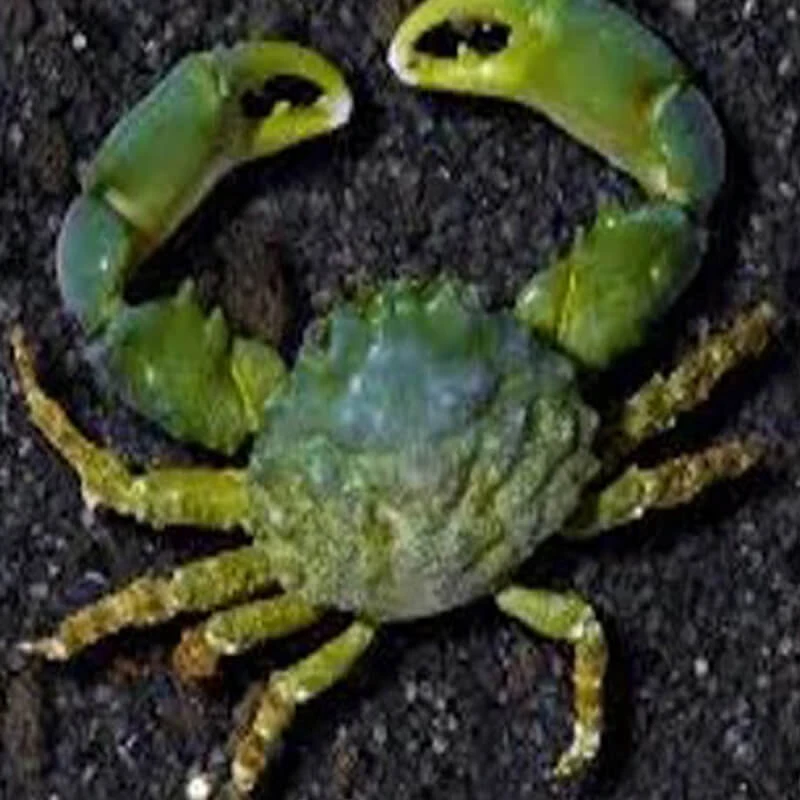
The Emerald Crab, known scientifically as Mithraculus sculptus, is a small saltwater crab native to the Caribbean Sea and the Atlantic Ocean. It gets its name from its bright green color, which honestly makes it one of the most eye-catching crabs you can own.
Emerald Crabs are part of what reef keepers call a cleanup crew. This is a group of invertebrates that naturally eat algae, leftover food, and other unwanted waste inside your tank. Think of them as your personal tank maintenance team that never takes a day off.
What makes the Emerald Crab stand out from other cleanup crew members is its appetite for one specific type of algae that most other creatures refuse to eat. We will get to that in just a moment because it is one of the biggest reasons hobbyists seek these crabs out.
The Number One Reason People Buy Emerald Crabs: Bubble Algae Control
Here is the problem that drives reef keepers absolutely crazy. Bubble algae.
Bubble algae, also known as Valonia, looks like shiny green grapes growing on your live rock. At first, it might seem kind of cool and interesting. But it spreads fast. Very fast. And once it takes over your rock work, it is incredibly difficult to remove manually without spreading it even further.
Most fish ignore it. Most snails ignore it. Most other crabs ignore it.
The Emerald Crab does not ignore it. Emerald Crabs eat bubble algae with enthusiasm. They pick at it, pull it apart, and consume it before it has a chance to take over your tank.
This is why, when you search for bubble algae solutions in any reef keeping forum or community, the answer almost always includes one thing. Emerald Crabs.
Beyond bubble algae, they also consume film algae, hair algae, and leftover meaty foods that sink to the bottom of your tank. They are one of the most versatile and hardworking members of any cleanup crew.
Emerald Crab Care Guide
The great news is that Emerald Crabs are not demanding. They are considered one of the easier invertebrates to keep in a reef tank. But like any living creature, they have needs that must be met for them to stay healthy and active.
Water Parameters
Emerald Crabs need stable saltwater conditions just like any other reef invertebrate. Keep your salinity between 1.023 and 1.025. Temperature should stay between 72 and 82 degrees Fahrenheit. Keep your pH between 8.1 and 8.3. Ammonia and nitrite must always be at zero. Nitrates should stay low, ideally under 20 parts per million.
Emerald Crabs are sensitive to sudden changes in water chemistry. Slow, steady parameters are what keep them happy and living long lives.
Tank Size
Emerald Crabs work well in tanks as small as 10 gallons. For most reef tanks between 30 and 100 gallons, keeping two to four Emerald Crabs gives you solid algae coverage without overcrowding.
Hiding Spots
These crabs love to explore and hide. Make sure your tank has plenty of live rock with caves, crevices, and overhangs. Emerald Crabs will claim a favorite spot and patrol nearby areas during feeding time. Watching them explore is genuinely entertaining.
Molting
Like all crabs, Emerald Crabs shed their shell as they grow. This is called molting. After molting, they hide for a day or two while their new shell hardens. During this time, they are vulnerable. Do not be alarmed if you see what looks like a dead crab shell in your tank. It is almost certainly just a molt, not the crab itself.
Feeding
If your tank has plenty of algae, your Emerald Crab will feed itself. However, if your tank is very clean and algae is limited, you should supplement their diet. Offer small pieces of dried seaweed, algae wafers, or tiny bits of meaty foods like mysis shrimp. Feed a couple of times a week if natural algae is scarce.
A well-fed Emerald Crab is a happy crab that stays out of trouble. Hungry crabs can sometimes turn to nipping at corals or bothering tank mates, so keeping them satisfied is important.
Reef Compatibility: Will Emerald Crabs Hurt Your Corals or Fish?
This is one of the most common questions people ask before adding Emerald Crabs to their reef tank. The answer requires a little nuance.
In general, Emerald Crabs are considered reef safe. They do not actively hunt corals, anemones, or fish. Thousands of reef hobbyists keep them in thriving coral tanks with zero problems.
However, there are a few things to keep in mind.
Small Fish: Emerald Crabs are opportunistic. If a very small fish or a sick fish is close enough and slow enough, a large Emerald Crab might attempt to grab it. This is rare, but it happens. Avoid keeping them with very tiny, slow-moving nano fish.
Corals: Emerald Crabs generally leave corals alone when they are well fed. If they become hungry, they may nip at soft corals or fleshy large polyp stony corals. Feeding them regularly solves this issue almost every time.
Other Crabs: Multiple Emerald Crabs in the same tank usually coexist peacefully. They may have occasional scuffles, but serious fighting is uncommon.
Shrimp: Cleaner shrimp and Emerald Crabs typically ignore each other. They occupy different spaces in the tank and rarely interact aggressively.
The bottom line is this. A well-fed Emerald Crab in a well-maintained reef tank is a fantastic addition. Issues typically arise when the crab runs out of food. Keep them fed and they will stick to doing their job.
How Many Emerald Crabs Do You Need?
The number depends on your tank size and how serious your algae problem is.
For a tank between 10 and 30 gallons, one to two Emerald Crabs is usually enough. For tanks between 30 and 75 gallons, two to four crabs gives solid coverage. For larger systems over 100 gallons, four to six crabs spread across the rock work handles algae consistently.
If you have a serious bubble algae outbreak, you may want to start with a few more crabs and scale back once the problem is under control. Emerald Crabs are efficient, but they work best when given enough territory to patrol regularly.
Questions and Answers About Emerald Crabs
Q: Will my Emerald Crab eat my coral frags?
A: A well-fed Emerald Crab almost always leaves coral frags alone. If you notice any nipping at corals, the crab is likely hungry. Increase feedings with seaweed or algae wafers and the behavior typically stops.
Q: My Emerald Crab disappeared. Where did it go?
A: Do not panic. Emerald Crabs are expert hiders. They may tuck deep into the rock work for several days, especially right after molting. Give it time. It will reappear when it is ready.
Q: Is it normal for my Emerald Crab to come out only at night?
A: Yes, completely normal. Emerald Crabs are often more active during low-light periods. Many hobbyists use a red flashlight to watch them patrol the rock work after lights go out. It is one of the most interesting things to observe in a reef tank.
Q: Can I keep multiple Emerald Crabs together?
A: Yes. Multiple Emerald Crabs in the same tank usually do fine together, especially in larger tanks with plenty of territory. Occasional chasing or posturing happens but serious injury between Emerald Crabs is uncommon.
Q: How long do Emerald Crabs live?
A: In a healthy, well-maintained reef tank, Emerald Crabs can live two to four years or longer. Stable water quality and consistent feeding are the biggest factors in their lifespan.
Q: Do Emerald Crabs really get rid of bubble algae completely?
A: They are the most effective biological solution for bubble algae available to reef hobbyists. They will significantly reduce and often eliminate bubble algae over time. For severe outbreaks, adding multiple crabs speeds up the process. They work best when combined with good nutrient control in the tank.
Q: What happens if my Emerald Crab runs out of algae to eat?
A: Supplement their diet with dried seaweed sheets, algae wafers, or small meaty foods. A hungry crab may start exploring corals or bothering tank mates. Keeping food available prevents this behavior entirely.
Q: Are the Emerald Crabs at Dr. Reef’s Quarantined Fish healthy and ready for my tank?
A: Absolutely. Every invertebrate sold through Dr. Reef’s Quarantined Fish goes through a proper health screening before it ships. You are getting a strong, active, healthy crab that is ready to get to work in your tank from day one.
Why Buy Your Emerald Crab From Dr. Reef’s Quarantined Fish?
At just $15.99, the Emerald Crab from Dr. Reef’s Quarantined Fish is one of the smartest investments you can make for your reef tank. But the price is only part of the story.
Here is what really sets Dr. Reef’s apart from every other seller out there.
Every single animal sold through Dr. Reef’s Quarantined Fish has been properly screened and observed before it ships to your home. That means you are not taking a gamble. You are not buying an animal that was just scooped out of a holding tank and thrown into a bag. You are getting a crab that a real team of reef experts has looked at, evaluated, and confirmed is healthy and ready to thrive.
This matters more than most new hobbyists realize. Invertebrates that arrive stressed, sick, or already carrying parasites can introduce problems into your tank that take weeks or months to solve. One bad purchase can cost you far more than the price of the animal itself.
Dr. Reef’s Quarantined Fish was built around protecting hobbyists from exactly that problem. Their entire business model is centered on sending you healthy, vibrant marine life that performs well from the moment it arrives.
And their team genuinely loves this hobby. They are not just selling fishes. They are sharing their passion for reef keeping with every order they ship. When you have a question about your new Emerald Crab, you are talking to people who actually keep reef tanks and know what they are talking about.
New hobbyist or experienced reefer, Dr. Reef’s treats every customer with the same warmth and expertise. They want your tank to succeed just as much as you do.
Final Thoughts: A $15.99 Investment That Pays for Itself
Think about what you have been spending on algae treatments, scraping tools, or replacement coral frags damaged by unchecked algae growth. Now think about adding one small, bright green, incredibly hardworking crab to your tank for $15.99.
The Emerald Crab pays for itself fast. It controls bubble algae. It cleans your glass and rock work. It keeps your substrate stirred and fresh. And honestly, it is just fun to watch.
If your reef tank is missing a reliable cleanup crew member that actually gets the job done, this is your answer.
Head over to drreefsquarantinedfish.com, grab your Emerald Crab for $15.99, and let nature do the hard work for you. Choose Dr. Reef’s Quarantined Fish for a healthy fish.