
Emperor Angelfish Care Guide: Everything Before You Buy

Emperor Angelfish Care Guide: Everything Before You Buy
A centerpiece fish that demands a real commitment
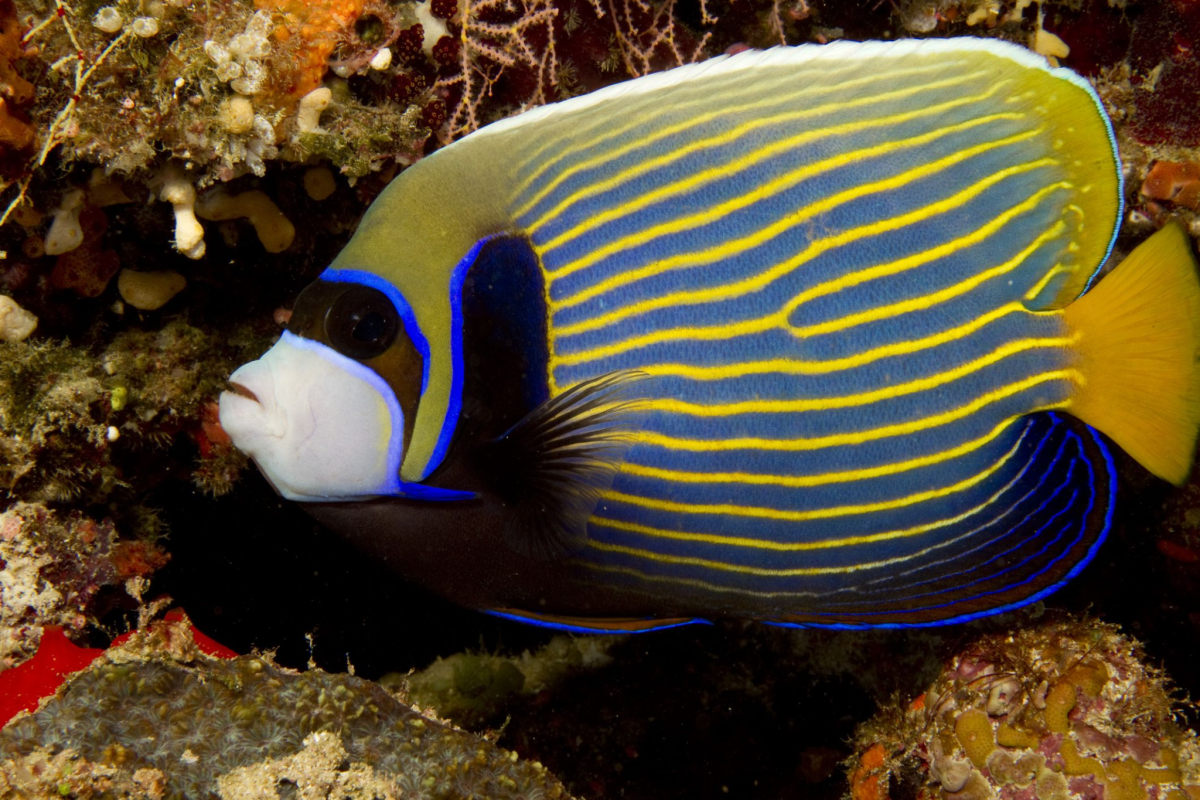
Few fish change the way a tank looks the moment they’re added like an Emperor Angelfish does. Bold blue and yellow stripes, a commanding presence, and a size that eventually rivals some of the largest fish in a home aquarium. It’s a species people build entire systems around. It’s also a species that outgrows undersized tanks, develops strong territorial behavior, and needs a keeper who planned ahead rather than one who bought on impulse.
Before you add one of our quarantined Emperor Angelfish for sale to your wishlist, here’s what actually goes into keeping this species successfully for the long haul.
Juvenile or Adult: Which One Should You Buy
This is usually the first decision, and it shapes everything that follows.
The Emperor Angelfish (Juvenile) is priced from $179.99 to $239.99 and starts at a manageable 2 to 4 inches. Juveniles display a completely different pattern than adults, with white and electric blue concentric circles on a dark body, and watching that pattern gradually transform into adult coloration over several years is genuinely one of the more rewarding experiences in the hobby. Juveniles also tend to acclimate to captive life more readily than fish collected as full-grown adults.
The Emperor Angelfish (Adult) runs $319.99 to $429.99 and skips the multi-year transformation, giving you the iconic striped adult look immediately. It’s the right choice for anyone who already has a large, established system ready to house a big fish from day one.
Neither option is “easier” across the board. Juveniles cost less upfront but require planning for years of growth. Adults cost more but eliminate the guesswork of raising a fish through its awkward transitional phase.
Tank Size Is Non-Negotiable
A juvenile can start in a system as small as 75 gallons, but that’s a temporary arrangement, not a long-term plan. Adult Emperor Angelfish need a minimum of 220 gallons, and anything smaller will eventually cause stunted growth, chronic stress, and behavioral problems. If you’re not prepared to upgrade tank size as your fish grows, an adult specimen is the more honest starting point.
Aquascaping for a Fish That Patrols
Emperor Angelfish are active, confident swimmers that need open water to move through as well as caves and overhangs to retreat into. Build multiple distinct territories using stable rockwork, since a single hiding spot isn’t enough once the fish reaches adult size and starts asserting itself. Strong filtration and water movement matter too, given how much waste a fish this size produces.
Water Parameters to Maintain
Keep temperature in the 72 to 82°F range, salinity between 1.020 and 1.025, and pH steady between 8.1 and 8.4. Nitrate should stay under 20 ppm, and lower is better for supporting healthy growth in juveniles specifically. This species isn’t as fragile as some large angelfish, but consistency still matters more than any single number.
Feeding for Growth and Long-Term Health
Emperor Angelfish are voracious omnivores, and juveniles in particular need frequent feeding to support their rapid growth rate. Offer a mix of mysis shrimp, enriched brine shrimp, marine algae sheets, and specialty angelfish foods containing natural sponge material. Three to four smaller feedings a day work better than one or two large ones, especially during the juvenile growth phase when nutritional demands are highest.
Keep in mind that this species is not reef safe at any life stage. Even juveniles that seem to ignore corals early on will eventually nip at soft corals, LPS, and clam mantles as they mature, so plan for a fish-only or FOWLR system long term.
Compatibility and Tank Mates
Emperor Angelfish do best as the only large angelfish in a system unless your tank exceeds 300 gallons. They can coexist with other large, semi-aggressive species like tangs, wrasses, and groupers, but should generally be one of the last fish added to an established community to avoid unnecessary territorial conflict. Our saltwater fish compatibility guide breaks down which species pair well together before you start building a stocking list.
Why Quarantine Matters Even More With a Large Angelfish
A fish this size represents a real investment, both financially and in terms of tank space, which makes skipping quarantine especially risky. Diseases introduced by an unquarantined fish can spread quickly and are far harder to treat in a large display tank than in a dedicated hospital system. Read through our quarantine protocol to see exactly how every fish is conditioned before it ships, and if you’re setting up your own quarantine system at home, this guide on what actually happens during fish quarantine explains the process in detail.
Acclimating Your New Emperor Angelfish
Shipping stress is real, and how you handle the first few hours after arrival has a lasting effect on how quickly the fish settles in. Follow a slow drip acclimation rather than a quick temperature-and-drop method, and keep an eye out for signs of stress in the days that follow. If your fish seems reluctant to eat right after introduction, our article on why fish stop eating after shipping covers what’s normal and what isn’t. Our full acclimation guide walks through the entire process step by step.
Is This the Right Fish for You
An Emperor Angelfish is a long-term commitment, with a lifespan that can exceed 20 years and a final size that rules out anything smaller than a genuinely large system. For the right keeper, though, it’s one of the most rewarding fish in the entire hobby, a true centerpiece that only gets more impressive with age. Browse our current Emperor Angelfish for sale and decide whether a juvenile or adult fits where your tank is headed.
If you’re weighing this species against another large angelfish, take a look at our guide on keeping the Scribbled Angelfish successfully to compare care requirements side by side.