
The Complete Saltwater Fish Compatibility Guide

The Complete Saltwater Fish Compatibility Guide
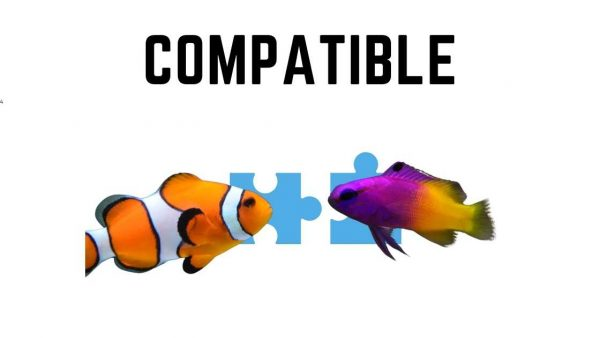
Mixing the wrong fish in one tank is probably the fastest way to turn a beautiful reef into a stressful mess. A tang chasing a new goby around the rocks, a dottyback that suddenly decides it owns the whole aquarium, a pair of clownfish that won’t tolerate a third fish nearby. None of this is random. It almost always comes down to compatibility, and getting it right from day one saves you money, heartbreak, and a lot of late-night Google searches.
Why Compatibility Matters More Than Looks
It’s tempting to pick fish purely on color and pattern. A tank full of favorites sounds great on paper, but personality and territory matter just as much as appearance. Two fish that look nothing alike can still fight over the same swimming space, while two similar-looking species might get along fine because they occupy different zones in the tank.
Territorial Behavior vs. True Aggression
There’s a real difference between a fish defending its patch of rock and a fish that’s genuinely aggressive toward tankmates. Damsels and clownfish will claim a small area and chase intruders away from it, but they usually leave the rest of the tank alone. Triggerfish and some larger angelfish, on the other hand, can be aggressive across the entire aquarium. Knowing which category a fish falls into before you buy it changes how you plan your stocking order.
Matching Tank Size to Fish Personality
A 40-gallon tank and an 180-gallon tank don’t just hold different amounts of water; they hold different amounts of tension. Smaller tanks leave less room for a chased fish to escape, so even mild aggression can become a real problem. If you’re working with a nano setup, lean toward peaceful gobies, small wrasses, and captive-bred clownfish rather than anything with a reputation for claiming territory.
Building Your Stocking List the Right Way
Order matters almost as much as species selection. Adding fish in the wrong sequence can turn an otherwise compatible group into a battleground.
Start With Peaceful Fish First
Gobies, blennies, and cardinalfish are good opening choices. They settle in quietly and rarely challenge anything added afterward. Adding these species early lets them establish a comfortable routine before more assertive fish arrive.
Add Semi-Aggressive Species Carefully
Once your peaceful fish are settled, semi-aggressive species like anthias or dwarf angelfish can go in next. These fish hold their ground but generally won’t hunt down other tankmates.
Save the Bullies for Last
Tangs, larger wrasses, and anything known for territorial behavior should go in last. Adding them to an already established tank means they have less open space to claim as their own, which tends to reduce conflict.
Before finalizing any list, it’s worth checking a proper compatibility chart so you can see how specific species interact rather than guessing based on general rules.
Common Compatibility Mistakes Beginners Make
Buying too many fish at once is probably the most common mistake. Adding five new fish on the same day gives everyone something to fight over immediately. Another frequent error is assuming that “reef safe” automatically means “safe with other fish.” A fish can be perfectly reef safe and still be a nightmare for its tankmates. Skipping research on adult size is another trap, since a fish that looks small and harmless at the store can grow into something that dominates the whole tank within a year.
How Quarantine Protects Compatibility
A solid quarantine protocol does more than keep disease out of your display tank. It gives you a chance to observe a new fish’s behavior and appetite before it ever meets its future tankmates. Fish that arrive stressed or underweight are far more likely to act defensively once introduced, so a proper quarantine period sets everyone up for a calmer transition. Pairing that with a careful acclimation guide reduces the shock of a new environment even further.
Final Stocking Tips
If you’re shopping for your next addition, browsing quarantined saltwater fish that have already been through disease treatment is one of the easiest ways to start a new fish off on the right foot. Peaceful options like the Ocellaris Clownfish start around $29.99, while a Pajama Cardinal runs about $39.99, both solid first additions for a community tank. If you want a bit more color without much drama, a Coral Beauty Angelfish at $79.99 tends to mix well once your peaceful fish are settled.
Compatibility isn’t guesswork once you know what to look for. Match temperament to tank size, add fish in the right order, and check species interactions before you buy. Still have questions about a specific pairing? Our FAQs page covers most of what new hobbyists ask before their first order. Do that, and your reef stays a lot more peaceful than most.