
Tomini Tang: The Underrated Tang Every Beginner Should Know About

Tomini Tang: The Underrated Tang Every Beginner Should Know About
When new reef keepers start dreaming about their first tang, the conversation usually jumps straight to Yellow Tangs or Blue Tangs. The Tomini Tang rarely makes that first list, and that is a genuine shame. This fish quietly checks almost every box a beginner actually needs, without the size, aggression, or price tag that makes some of its flashier cousins a tougher first step into tang keeping.
Meet the Tomini Tang
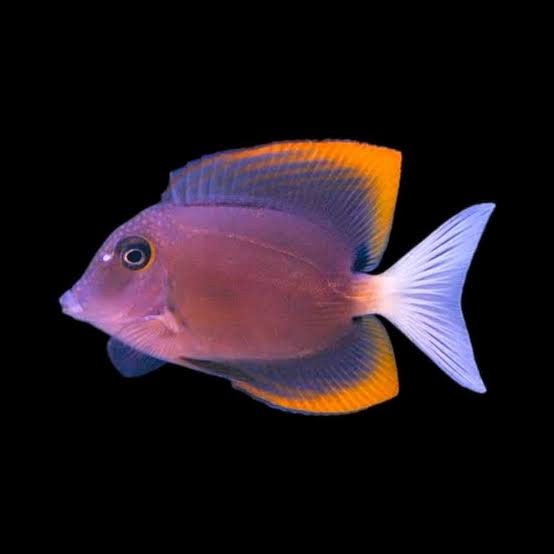
The Tomini Tang, also called the Tomini Surgeonfish or Flame Fin Tang, carries the scientific name Ctenochaetus tominiensis. It comes from coral-rich reefs and lagoons across the Indo-Pacific, especially around Indonesia and the Philippines. Its coloring is understated but genuinely beautiful, a soft gradient of blue and gray with warm orange-tipped fins and a bright electric blue tail that catches the light as it swims.
Unlike the bold, single-tone look of a Yellow Tang, the Tomini Tang has a subtlety to it that a lot of experienced reef keepers grow to appreciate more over time. It is not a fish that shouts for attention. It is a fish that rewards a closer look.
Why It Deserves a Spot on Every Beginner’s Shortlist
The first reason the Tomini Tang works so well for newer hobbyists is size. Adults reach only about 6 to 8 inches. That is noticeably smaller than tangs like the Purple Tang or Doctorfish Tang. A smaller adult size means a smaller minimum tank requirement too. Most experienced keepers agree that 70 gallons is enough room for a Tomini Tang to live comfortably. 120 gallons or more is ideal if you can manage it. That is a far more approachable starting point than the 125 to 300 gallon minimums some other tangs demand.
The second reason is temperament. The Tomini Tang is generally peaceful, calmer than many of its Zebrasoma and Acanthurus cousins. It tends to get along well with other peaceful community fish. It is not immune to territorial behavior around other tangs. But on the whole, it is one of the more mellow personalities in the surgeonfish family, which makes stocking a community tank around it much less stressful.
The third reason is usefulness. Like other bristletooth tangs, the Tomini Tang grazes constantly on algae, detritus, and biofilm, quietly doing real cleanup work in your tank every single day. A beginner who adds a Tomini Tang is not just getting a beautiful fish. They are getting a fish that actively helps keep the tank looking its best.
What New Owners Should Still Know
None of this means the Tomini Tang is a completely hands-off fish. It still needs a tank with plenty of live rock for grazing and open horizontal swimming space, since it is an active, constant swimmer in the wild. A tank that is wide and long serves this fish far better than one that is simply deep. Like all tangs, it can be prone to marine ich and other stress-related illnesses. This is especially true if water quality slips or its diet gets too repetitive.
It is worth noting that individual personalities vary. Most Tomini Tangs leave corals alone entirely, but a small number have been known to graze near certain soft corals, so it is worth keeping an eye on how your fish interacts with prized pieces when it is first introduced.
Why Starting Healthy Matters So Much
Surgeonfish as a group are notorious for carrying ich and other parasites, and wild-caught specimens in particular can carry pathogens that are not visible at first glance. This is exactly why a proper quarantine period before introducing any new tang to your display tank is one of the most important things a hobbyist can do to protect the fish already living there.
Every Tomini Tang from Dr. Reef’s Quarantined Fish goes through a full quarantine protocol before it ships. Fish are observed for parasites and disease, conditioned to accept a variety of prepared foods, and confirmed healthy before they ever reach your door. Dr. Reef also has a dedicated guide on ideal Tomini Tang tank setup if you want a deeper dive on sizing and setup before you buy. A Tomini Tang that starts healthy settles in faster, eats readily from day one, and gives a beginner the smooth first experience that makes them want to keep going with the hobby.
What It Costs
A quarantined Tomini Tang from Dr. Reef runs $139.99. That puts it in a genuinely accessible price range for a first tang, especially compared to some of the pricier show-stopper species in the same family.
Setting Your Tomini Tang Up for Success
Give your Tomini Tang a tank of at least 70 gallons, ideally wider than it is tall, with plenty of live rock to graze on. Keep an eye on water quality, since tangs are less forgiving of poor conditions than many other reef fish. Offer a varied diet including nori or seaweed sheets a few times a week to supplement its natural grazing, and avoid pairing it with other similarly shaped tangs in smaller systems to prevent unnecessary territorial conflict.
Before bringing one home, check the compatibility chart against your current tankmates and review the acclimation guide for a smooth transition. If tangs in general interest you, the Doctorfish Tang care guide on the Dr. Reef blog covers another popular surgeonfish worth comparing before you decide.
The Takeaway
The Tomini Tang gets overlooked far too often simply because it does not have the instant name recognition of a Yellow Tang or the drama of a Purple Tang. But for a beginner who wants a genuinely manageable tank size, a calmer temperament, and a hardworking algae grazer, it is one of the smartest first tangs in the entire hobby. Starting with a properly quarantined, healthy specimen from Dr. Reef’s Quarantined Fish gives this underrated fish every chance to show off exactly why it deserves more attention.
For more honest care guides like this one, visit the Dr. Reef blog.