
Thinking About a Clown Triggerfish? Read This Before You Buy One

Thinking About a Clown Triggerfish? Read This Before You Buy One
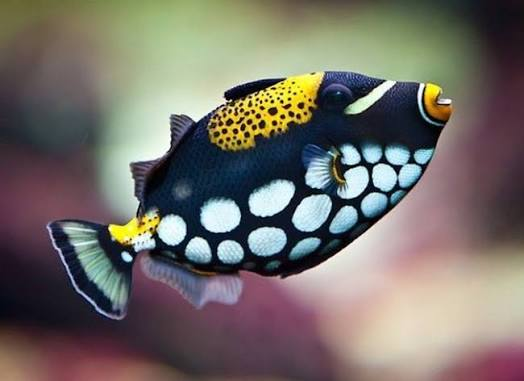
Few fish in the entire saltwater hobby turn heads like the Clown Triggerfish. Bold white spots on a jet black body, a wild yellow leopard print pattern underneath, and a face that almost looks painted on. It is one of the most photographed fish in the hobby, and it is easy to see why so many hobbyists dream about owning one. But this is also a fish that ends up rehomed, returned, or worse, far more often than its stunning looks would suggest. Before you buy one, here is what you actually need to know.
Why This Fish Grabs Everyone’s Attention
The Clown Triggerfish, or Balistoides conspicillum, comes from reef slopes and drop-off zones across the Indo-Pacific. In the wild, it is a bold, fearless predator with powerful fused teeth built for cracking open hard-shelled invertebrates. That same confident, assertive personality is fully on display in captivity, which is part of the appeal. This is not a shy fish that hides behind rockwork. It interacts with its environment, and often with its owner, in a way that feels almost dog-like compared to most reef fish.
That personality is exactly why people fall in love with the species after seeing one at a local fish store or on social media. It is also exactly why so many people end up in over their heads.
The Honest Truth About Temperament
Here is the part that gets glossed over in a lot of excited “look what I bought” posts. The Clown Triggerfish is one of the most aggressive fish in the entire marine aquarium hobby. It is not reef safe under any circumstances. It will destroy corals, kill crustaceans, and attack tankmates it sees as competition, prey, or simply a target for its assertive nature.
This is not occasional bad behavior from a stressed individual. It is baseline personality for the species. Even experienced hobbyists who know exactly what they are getting into need to plan tankmates with real care. That usually means sticking to large, robust, equally assertive species like groupers, kept in a dedicated fish-only system.
The Space and Setup This Fish Actually Demands
A Clown Triggerfish needs a minimum of 300 gallons for a single adult, and that is a floor, not a goal. Filtration has to be exceptionally strong. A large protein skimmer and high-capacity biological filtration are necessary to handle the waste this species produces. Every piece of equipment in the tank needs to be secured or protected. Triggerfish are notorious for rearranging rockwork, biting through airline tubing, and damaging heaters and powerheads. A heavy, secure lid is not optional either, since this fish can wedge itself into tight spaces while trying to escape.
The Diet Requirement Most New Owners Miss
Clown Triggerfish have rapidly growing, extremely powerful teeth. Without regular access to hard-shelled foods like snails, crabs, lobster, and mussels in shell, those teeth can overgrow, leading to serious health problems down the road. This is not an optional treat. It is a required part of ongoing care, and it adds real cost and effort to feeding routines compared to most reef fish.
Why Starting Healthy Matters So Much With This Species
Given how demanding and long-lived this fish is, often 15 to 20 years with proper care, starting with a genuinely healthy specimen matters enormously. A stressed or parasite-carrying Clown Triggerfish is more likely to refuse food, show poor coloration, and struggle to adapt during an already difficult acclimation period.
This is why every Clown Triggerfish from Dr. Reef’s Quarantined Fish goes through a full quarantine protocol before it ships. Each fish is observed, treated as needed, and confirmed eating a varied diet, including hard-shelled foods, before it ever reaches your door. A Clown Triggerfish that arrives already conditioned and eating well gives you a genuinely better starting point with a species that leaves very little room for error.
What It Costs
A quarantined Clown Triggerfish from Dr. Reef runs $199.99 to $287.99 depending on size. Given the scale of the tank, filtration, and diet this fish requires long term, the fish itself is actually one of the smaller costs in the overall commitment. Buying a properly conditioned specimen from the start is a small investment toward avoiding a much larger, more painful loss down the road.
A Word on Clownfish vs. Clown Triggerfish
If the word “clown” in this fish’s name has you picturing something closer to a friendly orange and white anemonefish, you are not alone. Despite the similar name, the Clown Triggerfish and true clownfish, like the ones featured in Dr. Reef’s guide on what clownfish eat, are almost entirely unrelated in temperament, care needs, and tank requirements. Clownfish are peaceful, beginner-friendly, and reef-compatible. The Clown Triggerfish is neither. Making sure you have the right fish in mind before you buy is a simple step that saves a lot of heartache later.
Is a Clown Triggerfish Right for You?
This fish makes sense for hobbyists with a large, dedicated fish-only system, real experience with aggressive species, and a genuine willingness to commit to the specialized diet and tankmate planning this species requires. It does not make sense as an impulse buy for a standard reef tank, no matter how striking it looks in the store.
If you are still set on adding one, review the compatibility chart carefully before choosing tankmates, and follow the acclimation guide closely during introduction. The FAQ page is also a good resource if questions come up before your order arrives.
The Takeaway
A Clown Triggerfish is one of the most spectacular animals you can put in a saltwater tank, and also one of the most demanding. Go in with clear eyes about the space, the tankmate restrictions, and the dietary needs, and it can be an incredible long-term centerpiece. Go in without that preparation, and it is one of the most common sources of regret in the hobby. Starting with a properly quarantined, healthy specimen from Dr. Reef’s Quarantined Fish at least ensures the fish itself is not the part of the equation working against you.
For more honest buying guides like this one, visit the Dr. Reef blog.