
Moorish Idol Care: Why Most Hobbyists Fail Within the First Year

Moorish Idol Care: Why Most Hobbyists Fail Within the First Year
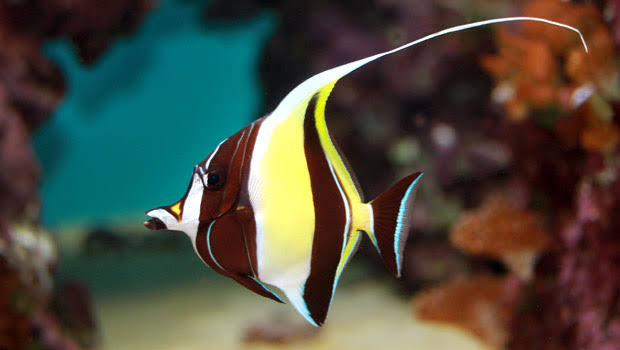
Few fish carry the mystique of the Moorish Idol. That dramatic black, white, and yellow banding, the long trailing dorsal fin, the fame of playing “Gill” in a beloved animated film. It is one of the most photographed fish on any reef. It is also, by wide agreement across the hobby, one of the hardest saltwater fish to keep alive in a home aquarium. Understanding why so many attempts fail within the first year is the first step toward actually beating those odds.
Why This Fish Has Such a Rough Reputation
The honest starting point is this. Moorish Idols have one of the poorest survival rates of any commonly sold marine fish. Stories of a beautiful specimen stopping eating and slowly declining within weeks or months are common throughout the hobby, even among experienced reef keepers who have kept far more challenging species successfully. This is not a fish that punishes only beginners. It humbles experts too.
Reason 1: Their Natural Diet Is Extremely Specialized
In the wild, Moorish Idols get roughly 70 percent of their diet from sponges. They also eat tunicates, coral polyps, algae, and other small invertebrates grazed directly off live reef structure. That is a diet built around constant access to specific, hard-to-replicate food sources. A tank without an established, mature ecosystem of natural grazing material puts a Moorish Idol at an immediate disadvantage. Getting one to reliably accept prepared foods is often the single hardest part of keeping this species.
Reason 2: Stress Shuts Down Their Appetite, Sometimes for Good
Moorish Idols are notorious for a pattern that experienced keepers dread. A stressed fish stops eating. Once that happens, it frequently never resumes, even after the original stressor is gone. This makes the collection and shipping process itself a major risk factor. A fish that arrives already stressed from a rough journey can enter a decline that is very hard to reverse, no matter how good the tank waiting for it actually is.
Reason 3: They Need Far More Swimming Space Than Their Size Suggests
A Moorish Idol only reaches about 9 inches, which makes its space requirements easy to underestimate. In the wild, this is a fish built for covering real distance across open reef. Most experienced keepers recommend at least 5 feet of swimming length, with 6 feet or more being ideal, well beyond the minimum tank size many hobbyists assume a 9-inch fish would need.
Reason 4: They Are Highly Susceptible to Ich and Parasites
Like many reef fish collected from the wild, Moorish Idols are especially prone to marine ich and other parasites. A poorly managed quarantine period can be just as dangerous as skipping quarantine altogether, since this species tolerates the stress of a bare, small quarantine tank poorly. Getting quarantine right for this fish is a genuinely delicate balancing act.
Reason 5: Reef Safety Comes With Real Caveats
Moorish Idols are often listed as reef safe with caution, and that caution matters. Individual fish vary, but many will eventually pick at coral polyps, including LPS and zoanthids, especially once other food sources run short. Anyone adding one to a mixed reef should watch closely rather than assume it will leave prized coral alone indefinitely.
Reason 6: Success Stories Exist, But They Share a Pattern
It is not all bad news. Hobbyists who have kept Moorish Idols successfully for years almost always point to the same formula. A large, mature, well-established tank. A properly sourced, already-eating specimen. A genuinely thorough quarantine period. And close attention during the first weeks after arrival, since that early window is where most failures happen. This fish rewards patience and preparation far more than enthusiasm.
Why an Extended Quarantine Process Matters So Much Here
Given how much rides on those first few weeks, sourcing matters enormously with this species. Dr. Reef’s Quarantined Fish runs an extended quarantine protocol for Moorish Idols specifically. That means a minimum of six to eight weeks of observation, dietary conditioning across multiple food types, and parasite treatment before a fish is ever offered for sale. That extended timeline exists because this species needs more than the standard process to have a real chance.
Even with that extra care, it is worth being honest. Even properly quarantined, well acclimated Moorish Idols still have meaningfully lower survival rates than most other aquarium fish. This is simply an animal that asks a lot of anyone who keeps it.
What It Costs
A quarantined Moorish Idol from Dr. Reef runs $179.99. Given the extended quarantine process and low overall success rate for this species, that price reflects a genuine attempt to stack the odds in your favor, though no amount of preparation guarantees success with a fish this demanding.
A Hardier Alternative Worth Considering
For hobbyists drawn to the Moorish Idol’s look but wary of the risk, the Schooling Bannerfish, sometimes called the False Moorish Idol, is worth a look. It offers a strikingly similar black, white, and yellow banded appearance with a long dorsal fin. But it adapts to aquarium life and prepared foods far more readily. It is a genuinely reasonable substitute for anyone who wants the visual impact without the same steep odds.
Is a Moorish Idol Right for You?
This fish makes sense only for hobbyists with a large, mature, well-established system, real experience with difficult marine species, and the willingness to closely monitor feeding and behavior during a long adjustment period. It is not the fish to buy on impulse because it looked stunning in the store tank.
If you decide to move forward, review the compatibility chart and follow the acclimation guide closely, and reach out through the FAQ page with any questions before your fish arrives.
The Takeaway
Most Moorish Idols fail within their first year, not because hobbyists don’t care, but because this fish demands a level of preparation, space, and patience that few species require. Starting with a properly, extensively quarantined specimen from Dr. Reef’s Quarantined Fish gives this iconic fish a genuinely better shot, but going in with realistic expectations is just as important as any tank setup.
For more honest care guides like this one, visit the Dr. Reef blog.