
Doctorfish Tang

Doctorfish Tang: Care, Diet, and Aquarium Requirements
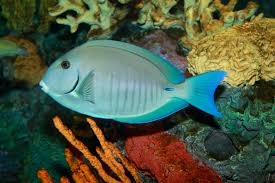
If you’ve been looking for a bold, active, and genuinely reef-safe tang to anchor your saltwater aquarium, the Doctorfish Tang (Acanthurus chirurgus) deserves a serious look. With its striking royal blue body, distinctive black “palette” pattern along the mid-body, and that gorgeous yellow caudal fin, this fish has a way of making even an already beautiful reef tank feel more alive.
At Dr. Reef’s Quarantined Fish, the Doctorfish Tang is available in sizes ranging from small juveniles to large adults, and every fish goes through a proper quarantine process before it reaches your tank, which honestly makes a huge difference in how well the fish settles in.
What Kind of Tank Does It Need?
The Doctorfish Tang is an active, open-water swimmer that comes from reef slopes and lagoons throughout the Indo-Pacific, so it needs room to move. A minimum tank size of 150 gallons is recommended for this species. Strong water flow is important too, since it mimics the natural currents the fish is accustomed to in the wild. Plenty of live rock for grazing and hiding spots also helps the fish feel at home.
Water parameters should stay within the range of 74-82°F, a salinity of 1.023-1.025 specific gravity, and a pH of 8.1-8.4.
One small but important detail is to make sure your tank has a secure lid. Like most tangs, the Doctorfish has a jumping habit if it gets spooked.
Feeding the Doctorfish Tang
This fish is primarily a herbivore, and feeding it well is one of the easiest parts of ownership. In the wild, it spends most of its day grazing on filamentous algae and detritus along the reef. In your tank, a mix of algae-based pellets or flakes, nori or spirulina sheets clipped to the glass, and frozen herbivore preparations will keep it healthy and colorful. Feeding two to three times a day in small amounts is the right approach; it keeps the fish actively grazing without fouling the water.
A varied diet is worth the extra effort. Tangs that eat well maintain their vivid coloration, and the Doctorfish’s bright blue and yellow tones really pop when the fish is in good health.
Temperament and Tank Mates
The Doctorfish Tang is semi-aggressive, which mostly means it will defend its territory against other tangs that look similar or compete for the same food source. With most other peaceful reef inhabitants, gobies, wrasses, blennies, and cardinalfish, it tends to coexist without issue. If you want to keep it with other tangs, a larger tank with plenty of territory and visual breaks helps reduce conflict.
As for reef compatibility, this fish is fully reef-safe. It will not bother your corals or invertebrates, which makes it a great choice for a mixed reef setup.
Why Quarantine Matters
One of the most common reasons tangs fail in captivity is that they arrive stressed, carrying parasites or latent infections from the supply chain. Wild-caught fish are especially vulnerable to marine ich (Cryptocaryon) when stressed, and most hobbyists have experienced the frustration of losing a beautiful fish days after introducing it to their display tank.
Dr. Reef’s Quarantined Fish specializes in fish that have been properly quarantined before they ship, something most wholesalers and retailers simply don’t have the time or capacity to do at scale. Buying a quarantined Doctorfish Tang means you’re getting a fish that has already been observed, conditioned to prepared foods, and cleared for disease, which translates into a smoother transition, fewer losses, and a healthier long-term outcome for your tank.
When you do bring a new fish home, drip acclimation is the recommended approach. Check out Dr. Reef’s Acclimation Guide for a step-by-step walkthrough of the process.
Is the Doctorfish Tang Right for You?
If you have a tank of 150 gallons or more, solid water quality, and some experience with reef fish, the Doctorfish Tang is a rewarding addition. It’s active, visually striking, and genuinely useful in a reef environment as a natural algae grazer. The intermediate care level means it’s not the best choice for a brand-new hobbyist, but for anyone comfortable with tang care, it’s a species that pays off.