
Can You Keep Multiple Tangs Together Without Fighting?

Can You Keep Multiple Tangs Together Without Fighting?
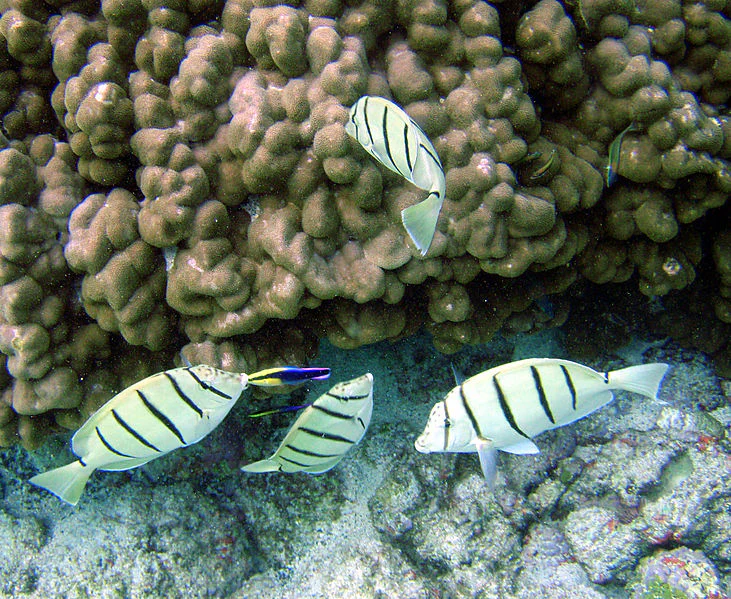
Tangs are some of the most requested fish in the hobby, and it rarely stops at just one. Reef keepers see a Yellow Tang, then a Purple Tang, then a Kole Tang, and start wondering if they can just add them all. The good news is yes, in many cases you absolutely can. The bad news is that getting it wrong leads to one of the most common and stressful conflicts in the entire hobby. Here is how to actually do it right.
The Rule That Explains Almost Every Tang Fight
Tangs are territorial with fish that look like direct competition, and shape matters more than most people expect. Two tangs with a similar body outline, even from completely different genera, are far more likely to fight than two tangs that look nothing alike. This is why a Yellow Tang and a Kole Tang can often share a tank peacefully, while two Yellow Tangs of similar size in a smaller system usually cannot.
If you remember only one rule from this article, make it this one. Mix body shapes, not just species names.
Grouping Tangs by Shape
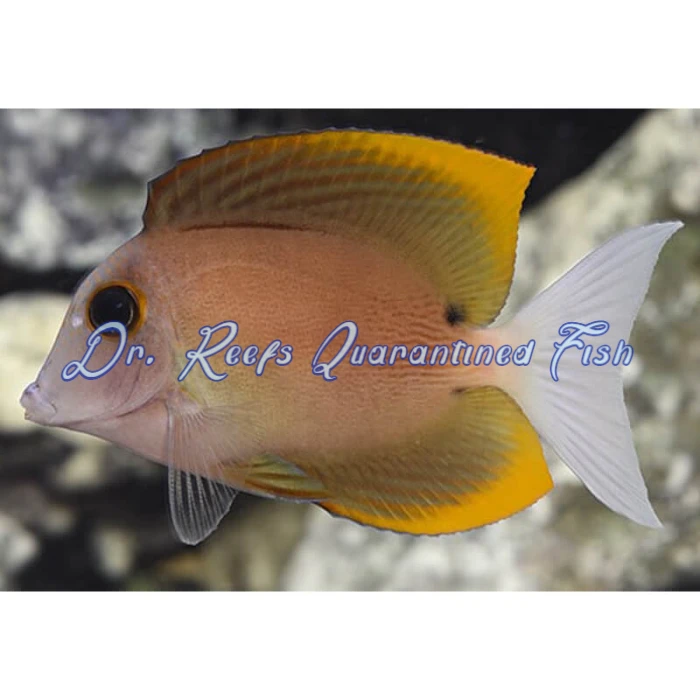
A few broad shape groups make this easier to plan around. Oval-bodied tangs like the Yellow Tang, Purple Tang, and Kole Tang tend to see each other as rivals. Long-bodied tangs like the Naso Tang look and behave differently enough that they usually coexist fine with the oval group. Bristletooth tangs like the Tomini Tang are generally the most peaceful of the bunch and mix well with almost everything.
As a practical guideline, most experienced reef keepers stick to one tang per shape group unless the tank is large enough to genuinely support more. A 300-gallon tank has very different odds of success than a 150-gallon tank when it comes to stocking multiple similarly shaped tangs.
Tank Size Is Not Optional Here
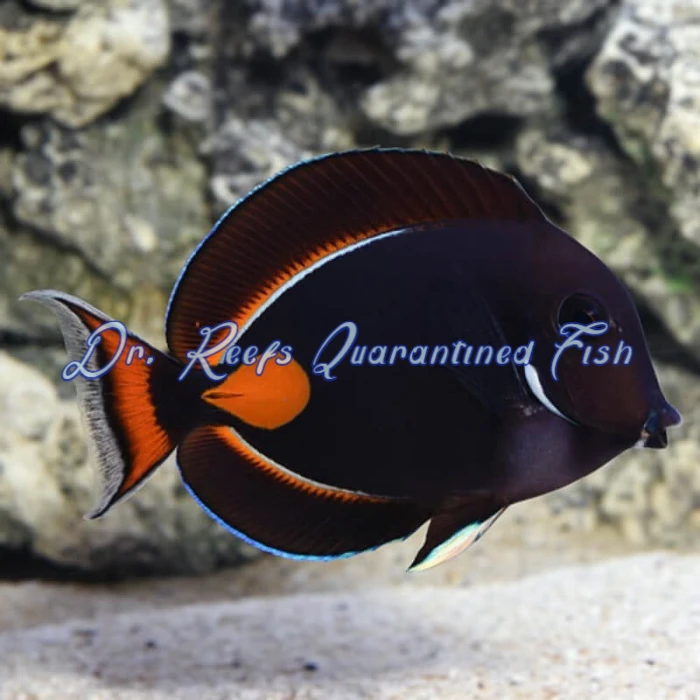
Every additional tang increases the minimum tank size you actually need, and it is not simply additive. Two territorial tangs in a tank sized for one creates constant conflict, since neither fish has room to establish its own space. As a rough starting point, most experienced keepers recommend at least 180 to 220 gallons before attempting more than one or two tangs together. Larger or more aggressive species, like the Achilles Tang, need considerably more.
If your current tank is under 125 gallons, a single tang is usually the realistic ceiling, regardless of how well you plan the mix.
The Order and Timing of Introduction
How you add tangs matters almost as much as which ones you choose. Adding several tangs at the same time, ideally all as juveniles, tends to work better than adding them one at a time over months. When tangs go in together, no single fish gets the chance to establish the entire tank as its own territory before the others arrive. That reduces the odds of one fish bullying every later addition.
Rearranging the rockwork when you add a new tang can also help reset established territories, giving an existing tang less of a home-field advantage over the newcomer.
Species That Tend to Cause the Most Trouble
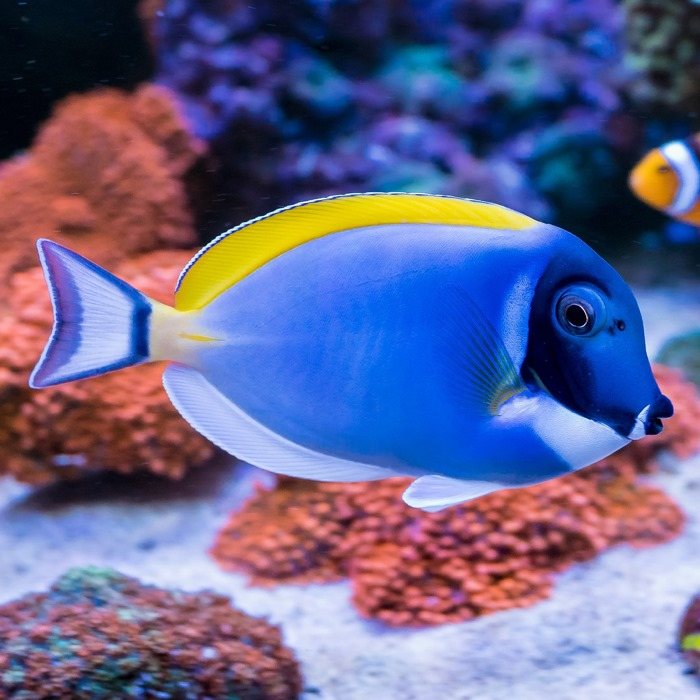
A few pairings show up again and again in conflict stories. Two Zebrasoma tangs, like a Yellow Tang and a Purple Tang, housed together in anything under 180 gallons is a common source of ongoing aggression. Two Acanthurus tangs of similar size and color, such as a pair of Powder Blue Tangs, tend to clash for the same reason. These combinations are not impossible in a large enough system, but they demand more space and more careful introduction than most other pairings.
Why a Healthy Start Makes Multi-Tang Tanks Easier
A stressed or unhealthy tang behaves more defensively and less predictably than a calm, well-fed one, which makes an already tricky multi-tang setup even harder to manage. Every tang from Dr. Reef’s Quarantined Fish goes through a full quarantine protocol before it ships, arriving already eating and free of the kind of stress that turns ordinary territorial behavior into constant fighting. Starting with calm, healthy fish gives your stocking plan a real chance to work the way it was designed to.
Setting Yourself Up for Success
Plan your full tang lineup before buying any of them, rather than adding species one at a time as they catch your eye. Mix body shapes rather than stacking similar-looking tangs. Add new tangs together when possible, and make sure your tank size genuinely supports the number and type of tangs you are planning, not just the tangs you already have.
Check the compatibility chart before finalizing your stocking list, and review the acclimation guide for smooth introductions once your fish arrive. You can browse the full range of tangs available to help plan a mix that actually works together.
The Takeaway
Keeping multiple tangs together without fighting is absolutely possible, but it comes down to planning rather than luck. Mix shapes, respect tank size, introduce fish together when you can, and start with healthy, properly quarantined specimens from Dr. Reef’s Quarantined Fish. Get those pieces right, and a multi-tang reef tank can be one of the most active, colorful setups in the hobby instead of a constant source of stress.
For more honest stocking guides like this one, visit the Dr. Reef blog.