
Which Wrasse Species Are Truly Reef Safe?

Which Wrasse Species Are Truly Reef Safe?
“Reef safe” gets stamped on almost every wrasse care sheet, and for the most part, that label is earned. Wrasses as a family are not coral eaters. But reef safe was never meant to mean risk-free for every single creature in your tank, and a few species have habits worth knowing about before you add them to a tank full of prized invertebrates. Here is a more honest breakdown.
The Genuinely Low-Risk Group
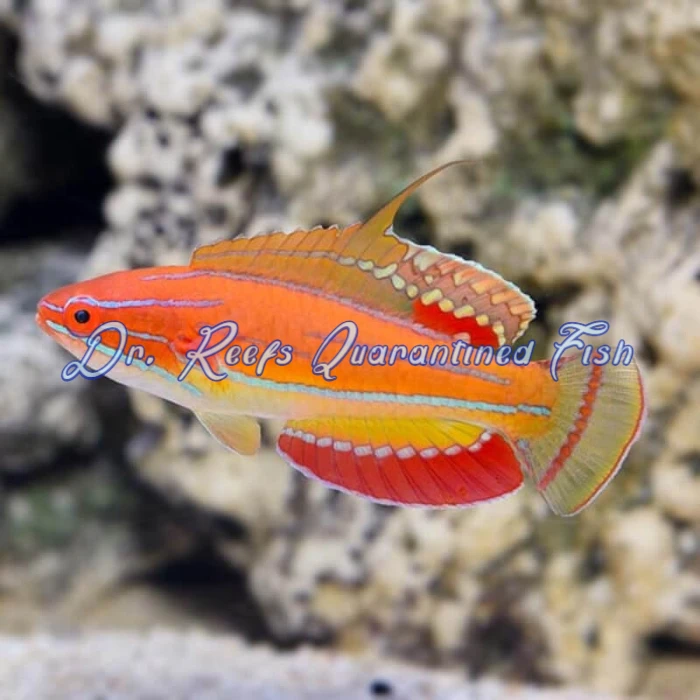
A handful of wrasse types have earned their reef-safe reputation with very few asterisks attached. Fairy wrasses, in the Cirrhilabrus genus, spend their day picking plankton out of the water column and show essentially no interest in coral or most invertebrates. Flasher wrasses, like the McCosker’s Flasher Wrasse, behave the same way and are considered some of the safest wrasses you can add to a reef tank, coral or invertebrate wise.
The Sixline Wrasse also belongs in this group when it comes to coral. It will not touch your zoanthids, LPS, or SPS. Its only real caveat has nothing to do with coral and everything to do with territory, since it can be pushy toward small, similarly shaped fish rather than a threat to your invertebrates.
The “Mostly” Reef Safe Group
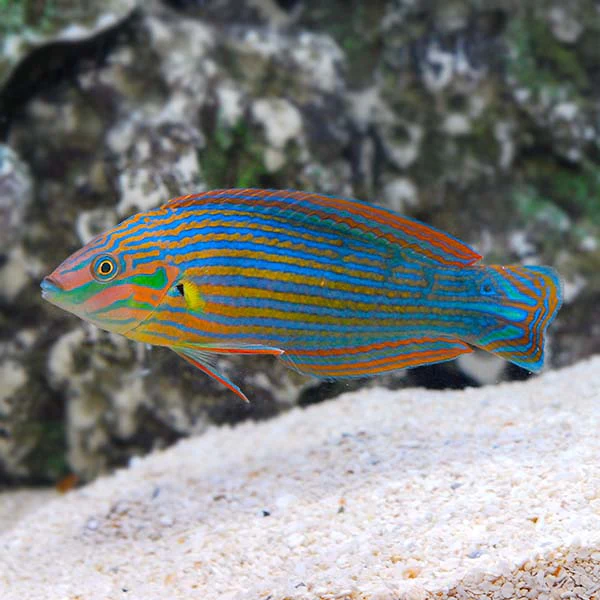
This is where the nuance actually lives. The Melanurus Wrasse is a genuinely excellent, hardworking reef fish that hunts flatworms and bristleworms all day, and it will not touch coral. Where it earns an asterisk is with very small ornamental shrimp, like sexy shrimp or mini carpet anemone shrimp. An active, opportunistic Melanurus can occasionally pick one off. Larger cleaner shrimp are generally left alone, but tiny decorative shrimp are genuinely at some risk.
This pattern repeats across several otherwise excellent reef wrasses. The coral itself is rarely the issue. Small, slow, or exposed invertebrates are where the real caution belongs.
The Group That Does Not Belong in a Reef Tank at All
Not every wrasse carries the reef safe label, and for good reason. Dr. Reef separates an entire category of wrasses for fish-only tanks specifically because these species are known to eat snails, hermit crabs, small crustaceans, and other invertebrates as a normal part of their diet. Larger, more predatory wrasse species fall into this bucket. No amount of careful stocking changes their basic biology. If a species is listed as fish-only rather than reef safe, that label exists because hobbyists have already learned the hard way.
This is really the biggest myth around wrasse reef safety. It is rarely an all-or-nothing family trait. Some wrasses are built to hunt invertebrates for a living, and pretending otherwise because “wrasses are reef safe” as a blanket rule is how prized snails and shrimp quietly disappear one at a time.
How to Actually Check Before You Buy
Rather than trusting the phrase “reef safe” at face value, look at what a specific species actually eats in the wild and what size invertebrates it is known to target. A planktivore that picks food out of open water, like most fairy and flasher wrasses, poses close to zero risk. A wrasse that actively hunts and crushes shelled prey, which is common among larger reef safe wrasses, is a different story. Checking the reef safe wrasses category versus the fish-only category on Dr. Reef’s site is a quick way to confirm which bucket a species actually falls into before you buy.
Why a Healthy, Well-Fed Wrasse Is a Safer Wrasse
Even within the genuinely reef safe group, a hungry or stressed wrasse is more likely to sample something it would normally ignore. A fish that arrives already stressed from a rough collection and shipping process is more likely to act opportunistically toward small invertebrates simply because it is searching harder for any available food source. A calm, well-fed wrasse has far less reason to test the limits of what counts as dinner.
This is exactly why proper quarantine matters, even for species already considered reef safe. Every wrasse from Dr. Reef’s Quarantined Fish goes through a full quarantine protocol, arriving already eating a varied diet and free of the stress that leads to unpredictable behavior around tankmates.
Setting Yourself Up for a Truly Reef Safe Tank
Research the specific species, not just the word wrasse, before adding one to a reef tank. Keep very small ornamental shrimp separate from active hunting wrasses like the Melanurus, even when the species is broadly reef safe. Feed consistently so no wrasse in your tank has a reason to go looking for extra snacks. And check the compatibility chart before adding any new wrasse to confirm it fits with your existing invertebrates and fish.
Review the acclimation guide for a smooth introduction once your new wrasse arrives, and browse the full range of reef safe wrasses available if you are planning your next addition.
The Takeaway
Most wrasses genuinely deserve their reef safe reputation, but the label works better as a starting point than a final answer. Fairy wrasses, flasher wrasses, and the Sixline Wrasse are about as safe as it gets. Species like the Melanurus Wrasse are excellent but come with a small invertebrate caveat worth knowing. And an entire group of larger wrasses was never reef safe to begin with. Do the species-specific homework, start with a properly quarantined fish from Dr. Reef’s Quarantined Fish, and your reef tank stays exactly as peaceful as it looks.
For more honest care guides like this one, visit the Dr. Reef blog.