
Foxface or Tang: Which Fish Is Better for Algae Control?

Foxface or Tang: Which Fish Is Better for Algae Control?
Nuisance algae is one of the most common problems reef keepers face, and two groups of fish are constantly recommended as the fix: foxface and tangs. Both are excellent grazers. Both bring real personality to a tank. But they’re not interchangeable, and picking the wrong one for your setup can lead to a frustrated fish and algae that keeps coming back.
Before you decide, it helps to know what actually separates these two groups beyond the obvious “they both eat algae” answer.
What Foxface Brings to Algae Control
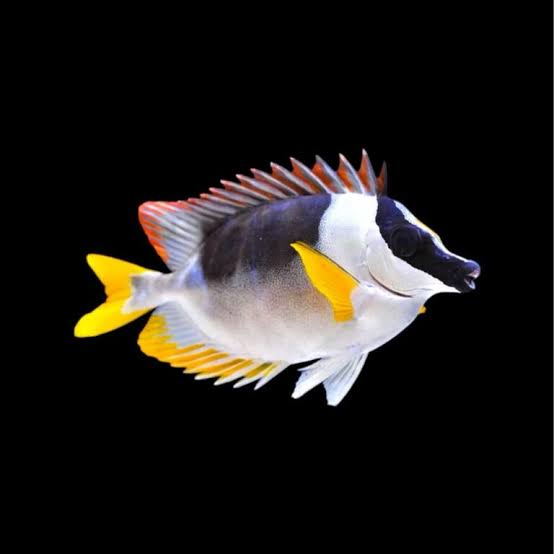
Foxface are hardy, peaceful herbivores known for constant grazing on live rock throughout the day. Species like the Foxface will eagerly consume hair algae, bubble algae, and other nuisance growth, with a single specimen capable of controlling algae in tanks of up to 125 gallons.
The Trade-Off: Venomous Spines
Foxface carries venomous dorsal spines. A sting is extremely painful and can cause swelling that lasts for hours. That risk is manageable with careful handling and netting, but it’s worth knowing before you bring one home, especially if you regularly work inside your tank by hand.
Premium Options for Color and Rarity
If you want more visual impact, the Magnificent Foxface and Bicolor Foxface both offer striking coloration beyond the standard yellow foxface, typically priced between $239.99 and $275.99 depending on size.
What Tangs Bring to Algae Control
Tangs are the other major algae-eating group in the hobby, and they cover an even wider range of species, sizes, and prices. According to Dr. Reef’s tang care guide, Yellow Tangs run $199.99 to $499.99, Purple Tangs run $299.99 to $344.99, and Kole Tangs sit between $149.99 and $172.99, with over 40 varieties available in total.
Tangs Need More Room to Swim
Unlike foxface, tangs are constant, active swimmers. Most species need at least a 75-gallon tank, with larger tanks always preferred. If your system is on the smaller side, a tang may not have the space it needs to stay healthy long term.
A Higher Risk for Ich
Tangs have thinner skin than many marine fish, which makes them more prone to the ich parasite, especially when stressed. A properly quarantined tang in a stable tank is far less likely to develop problems, which is part of why sourcing matters so much with this group. Stress is usually the trigger, not the tank itself, so a calm transition into your system makes a real difference.
Foxface vs. Tang: The Real Differences
Both fish eat algae aggressively, but they solve the problem in different ways. Foxface graze steadily and stay relatively still, making them a great fit for smaller or moderate reef tanks. Tangs cover more ground and eat more overall, but they need real swimming room to thrive. Neither approach is better across the board. It just depends on what your tank can actually support.
Which One Fits Your Tank Better
If your tank is under 75 gallons, a foxface is usually the safer choice. If you have a larger system and want a fish that’s constantly active, a tang like the Blue Tang may be the better fit. Either way, checking the compatibility chart first helps confirm your choice works with the rest of your livestock.
Why Sourcing Matters as Much as the Species
Whichever fish you choose, the fish itself matters less than the condition it arrives in. A stressed or parasite-carrying fish struggles to adjust no matter how well-suited the species is to your tank. Every foxface and tang at Dr. Reef’s goes through a full quarantine protocol before shipping, which means treatment, observation, and conditioning to eat prepared foods.
Once your fish arrives, following the acclimation guide gives it the smoothest possible transition into your system.
Making the Right Call for Your Reef
There’s no single winner between foxface and tangs. The right choice depends on your tank size, your comfort with venomous spines, and how much swimming space you can offer. Both groups are excellent algae controllers when matched to the right setup.
Visit Dr. Reef’s Quarantined Fish to check current availability and pricing across both groups, and find the algae eater that actually fits your tank. Getting the match right from the start saves you a stressed fish and a tank that still needs a solution.