
Lemon Tang vs Yellow Tang: Which One Is Actually Better?

Lemon Tang vs Yellow Tang: Which One Is Actually Better?
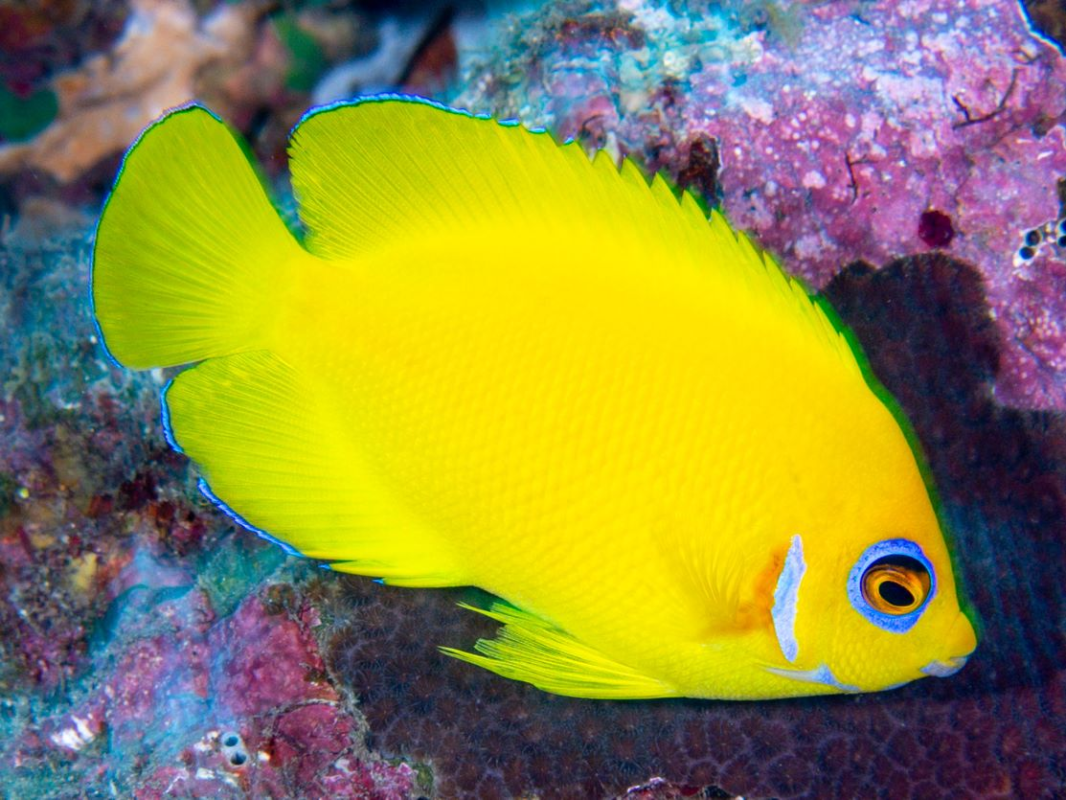
Walk into any fish store and you will likely spot both of these bright yellow tangs sitting side by side. At a glance, the Lemon Tang and the Yellow Tang look almost like twins. Same sunny yellow color, same oval body, same constant motion around the tank. But once you dig past the coloring, these two fish are actually quite different animals with different needs. Here is the honest breakdown to help you decide which one fits your reef.
Meet the Lemon Tang
The Lemon Tang, also sold as the Mimic Lemon Peel Tang, is the color-changing sibling in this comparison. Its scientific name is Acanthurus pyroferus, and as a juvenile, it mimics the appearance of the Lemonpeel Angelfish for protection in the wild. That is a clever survival trick, and it makes for a fascinating fish to watch grow and change in your tank. Dr. Reef’s blog has a dedicated write-up on this mimicry behavior if you want the full story.
Lemon Tangs reach up to 10 inches at full size and need a minimum tank of 125 gallons. Their temperament is best described as peaceful but territorial. They generally get along fine with other reef fish. But they can turn possessive if another tang with a similar shape or color shows up in their space. As adults, Lemon Tangs eventually shift into a darker brown coloration known as the Chocolate Tang phase. This surprises a lot of first-time owners who expected the yellow to stay forever.
Meet the Yellow Tang
The Yellow Tang, or Zebrasoma flavescens, is the more famous of the two and arguably the single most recognizable tang in the entire hobby. It comes from the reefs of Hawaii and keeps its bold, uniform yellow color for its entire life, which is a big draw for hobbyists who want that color payoff to last.
Yellow Tangs max out around 6 to 8 inches, noticeably smaller than the Lemon Tang. They can be kept in a tank as small as 80 gallons, though 150 gallons or more is recommended for the long run. Their temperament is generally peaceful. Like most tangs, they can get territorial if housed with a similar-looking fish. Yellow Tangs are also known as some of the hardest-working algae grazers in the hobby, constantly picking at rockwork throughout the day.
Head to Head Comparison
For size, the Lemon Tang wins if you want a bigger, bolder centerpiece fish. The Yellow Tang is the better pick for smaller or mid-sized reef tanks. On tank size requirements, the Yellow Tang is more forgiving. It needs just 80 gallons minimum, compared to the Lemon Tang’s 125-gallon minimum. For color, it depends on your goals. The Yellow Tang holds its bright yellow forever. The Lemon Tang eventually shifts to brown as it matures. So if permanent color is the priority, the Yellow Tang takes this one.
Temperament is close to a tie. Both are peaceful with most tankmates. Both can get territorial around similar tangs. Neither one is meaningfully more aggressive than the other under normal conditions. For hardiness, Yellow Tangs, especially captive-bred ones, tend to be a bit more beginner-friendly and disease-resistant. Lemon Tangs are rated intermediate and do best with hobbyists who already have some tang experience.
Why the “Better” Fish Comes Down to Your Setup
Neither fish is objectively better. The real answer depends on your tank size, your experience level, and what kind of long-term look you want. If you have a smaller reef tank and want a beginner-friendly, permanently golden centerpiece, the Yellow Tang is likely your fish. If you have a larger tank, some tang experience already, and you like the idea of watching a fish transform as it matures, the Lemon Tang brings something genuinely unique to the table.
Why Quarantine Matters Even More With Tangs
Whichever one you choose, the single biggest factor in how well it behaves and thrives is not the species itself. It comes down to how the fish was cared for before it ever reached your tank. Tangs in general are especially prone to ich and other stress-related illnesses when they are shipped straight from the ocean without proper quarantine. A stressed, parasite-carrying tang is far more likely to show poor coloration, weak appetite, and territorial flare-ups than one that arrived healthy.
This is exactly why Dr. Reef’s Quarantined Fish puts every tang through a real quarantine protocol before it ships. Fish are monitored for parasites, conditioned to eat prepared foods like nori and spirulina pellets, and given time to recover from the stress of collection and transport. A Lemon Tang or Yellow Tang that starts healthy settles into your tank faster, eats more confidently, and shows off its natural color and personality from day one instead of hiding in a corner for weeks.
What They Cost
A quarantined Lemon Tang runs $139.99. A quarantined, captive-bred Yellow Tang runs $199.99 to $259.99 depending on size. The Yellow Tang carries a higher price tag, largely reflecting the added cost of captive breeding and the strong, steady demand for this species. Either way, paying for a properly quarantined fish is a small cost compared to the risk of introducing disease into an established reef.
Setting Either Tang Up for Success
Both of these tangs do best with plenty of live rock to graze on, open swimming space, and a steady diet of nori or seaweed sheets a few times a week. Add either one after your smaller, more peaceful fish are already settled in, rather than as one of your first residents, and avoid pairing them with other similarly shaped tangs unless your tank is large enough to support the competition.
Before bringing either fish home, it is worth checking the compatibility chart against your current tankmates and reviewing the acclimation guide so the transition from bag to tank goes smoothly. For a deeper look at Yellow Tang sizing and growth specifically, the Yellow Tang blog post on Dr. Reef’s site is worth a read. If tangs in general interest you, the Doctorfish Tang care guide covers another popular surgeonfish with many of the same care basics.
The Takeaway
The Lemon Tang and Yellow Tang both bring bright color and active personalities to a reef tank, but they are built for slightly different setups. Consider your tank size, your experience level, and whether you want that yellow color to last forever or watch it transform over time. Whichever one you choose, starting with a properly quarantined, healthy specimen from Dr. Reef’s Quarantined Fish is what really determines whether your new tang thrives or struggles.
For more comparisons and care guides like this one, visit the Dr. Reef blog.