
Can a Kole Tang Really Keep Your Reef Tank Algae-Free?

Can a Kole Tang Really Keep Your Reef Tank Algae-Free?
Scroll through any reef forum and you will see the Kole Tang recommended over and over as the go-to algae control fish. It has a reputation as a gentle, hardworking cleanup crew member that quietly earns its keep. But does it actually live up to the hype, or is this one of those hobby myths that gets repeated so often people stop questioning it? Here is the honest answer, along with what this fish is genuinely great at.
Meet the Kole Tang
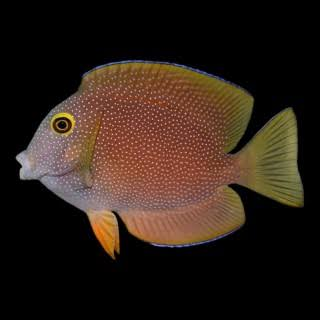
The Kole Tang, also known as the Yellow Eye Kole Tang or Ctenochaetus strigosus, is a small to mid-sized surgeonfish from the Indo-Pacific, especially common around Hawaii. Dr. Reef’s blog has a dedicated deep dive on this species if you want even more detail beyond this article. It has a dark brown to black body with subtle striping and a distinctive ring of bright yellow around each eye, which is where its common name comes from.
Kole Tangs top out around 4 to 5 inches, which is noticeably smaller than most of their tang cousins. They do best in a tank of at least 70 to 75 gallons and have a peaceful, low-key temperament compared to more territorial tangs like the Purple or Yellow Tang. This calmer personality is a big part of why so many hobbyists reach for a Kole Tang when they want algae control without adding a bully to the mix.
What Makes This Fish Different
Here is the detail that separates the Kole Tang from most other tangs, and it is the key to answering the question in the title. Kole Tangs belong to a group called bristletooth tangs. Fish like the Yellow Tang use broader, scraping teeth to tear at large sheets of algae. The Kole Tang has fine, comb-like teeth built for a different job entirely.
Those specialized teeth are made for grazing on diatoms, film algae, cyanobacteria, and detritus. This buildup collects on rock, sand, and glass. This is genuinely valuable work. Diatom blooms and algae films are some of the most common headaches in newer tanks. The Kole Tang handles that job better than almost any other fish in the hobby.
The Honest Answer
So can a Kole Tang keep your tank algae-free? For the fine, filmy stuff, yes. It does that job better than most fish you could add. For thick, stringy hair algae or nuisance macroalgae, not really. Its mouth and feeding style are simply not built for tearing through that kind of growth. Hobbyists who buy a Kole Tang specifically hoping it will wipe out an existing hair algae outbreak are often disappointed. That is not because the fish is doing anything wrong. They just picked the wrong tool for that particular job.
The fish that are actually built for heavier algae, including hair algae and larger growths, tend to be species like the Yellow Tang or various rabbitfish. These have broader teeth suited to that kind of grazing. A Kole Tang works best as part of a team, alongside snails, hermit crabs, and possibly one of those broader grazing species. It is not meant to be a single solution to every algae problem in the tank.
Why It Still Earns Its Reputation
None of this means the Kole Tang is overrated. It genuinely excels at the type of maintenance grazing that keeps a tank looking clean day to day, picking at diatoms and film algae that other cleanup crew members often miss. It is also one of the more peaceful tangs available, making it a great choice for hobbyists who want a hardworking grazer without adding territorial drama. For established tanks looking for ongoing maintenance rather than a quick fix for an existing outbreak, the Kole Tang genuinely delivers.
Why Quarantine Still Matters
Even a naturally hardy, peaceful fish like the Kole Tang benefits enormously from proper quarantine before it reaches your tank. Tangs in general are prone to ich and other stress-related illnesses when shipped straight from the ocean without a proper adjustment period. A stressed Kole Tang is more likely to hide, refuse food, and take much longer to settle into its natural grazing routine.
This is exactly why Dr. Reef’s Quarantined Fish puts every tang through a real quarantine protocol before it ships. Fish are monitored for parasites, conditioned to accept prepared foods, and given time to fully recover from the stress of collection and transport. A Kole Tang that starts healthy gets to work grazing almost immediately instead of spending weeks hiding and adjusting.
What It Costs
A quarantined Kole Tang from Dr. Reef runs $149.99 to $172.99, depending on size. Given how much ongoing cleanup work this fish handles once it settles in, it is a reasonable investment for hobbyists dealing with diatom and film algae buildup, especially in a newer or moderately established tank.
Setting Your Kole Tang Up for Success
Give your Kole Tang plenty of live rock to graze on and open swimming space, since it is more active than its small size might suggest. It does best in a tank that is at least a few months old, with enough natural algae and biofilm already present to support its constant grazing habits. Keep it to one Kole Tang per tank, since they can be territorial toward their own kind, and avoid pairing it with other tangs from the same Ctenochaetus family.
Before adding one to your tank, check the compatibility chart against your current fish and review the acclimation guide for a smooth transition. If you are also considering a heavier-duty algae grazer to pair alongside a Kole Tang, the Yellow Tang blog post on the Dr. Reef site covers a species better suited to thicker algae growth.
The Takeaway
A Kole Tang will not single-handedly wipe out a hair algae problem, but that was never really its job. What it does deliver is steady, reliable grazing on the film algae and diatoms that quietly build up in every reef tank, all wrapped in one of the more peaceful temperaments in the tang family. Starting with a properly quarantined, healthy specimen from Dr. Reef’s Quarantined Fish is what determines whether that grazing starts on day one or gets delayed by weeks of stress and hiding.
For more honest care guides and comparisons like this one, visit the Dr. Reef blog.