
Yellow Back Goatfish
$49.99
Parupeneus barberinus
| Care Level | Moderate |
| Temperament | Peaceful to semi-aggressive |
| Color Form | Cream to pale tan body with two dark vertical bars and reddish-orange barbels |
| Diet | Carnivore |
| Reef Compatible | With caution |
| Water Conditions | 72–78°F (22–26°C), 1.020–1.025 sg, pH: 8.0–8.4 |
| Max Size | 12″ |
| Family | Mullidae |
| Minimum Tank Size | 180 gallons |
Yellow Back Goatfish
Also known as the Yellowfin Goatfish or Dash and Dot Goatfish
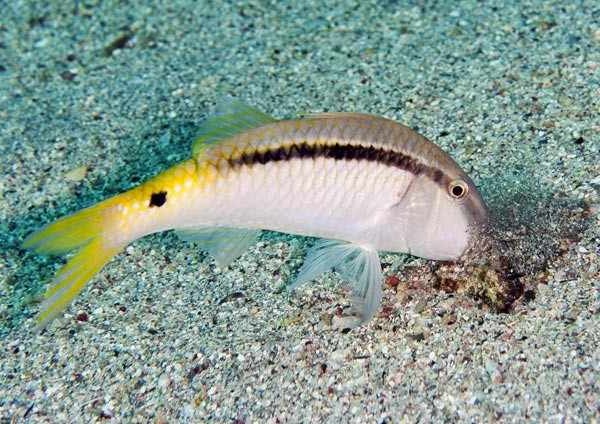
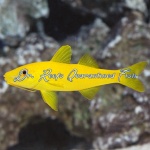
The Yellow Back Goatfish is an attractive, active bottom-dwelling fish featuring a white to silver body with bright yellow dorsal area and distinctive markings. Native to the Indo-Pacific region, this peaceful species uses prominent barbels to probe substrate for buried invertebrates. Smaller and more manageable than the Yellow Goatfish, they still require sandy substrate and are not reef-safe due to constant sand disruption and invertebrate consumption. Their energetic foraging behavior and striking coloration make them interesting additions to large fish-only or FOWLR systems with appropriate tankmates.
Key Features
Scientific Name: Parupeneus barberinoides
Common Names: Yellow Back Goatfish, Yellowfin Goatfish, Dash and Dot Goatfish
Adult Size: 8–12 inches (20–30 cm)
Lifespan: 5–8+ years with proper care
Temperament: Peaceful; non-aggressive toward fish
Reef Compatibility: Not reef-safe – disrupts substrate, consumes invertebrates
Minimum Tank Size: 75 gallons minimum (100+ gallons recommended)
Experience Level: Intermediate – specific substrate and space needs
Habitat & Tank Requirements
Tank Environment:
- Sandy substrate essential (3–4 inches minimum for foraging)
- Open swimming areas
- Moderate rockwork (leave substantial sand area exposed)
- Peaceful to semi-aggressive tankmates
- Strong filtration for sand disturbance
Water Parameters:
- Temperature: 72–78°F (22–26°C)
- Salinity: 1.020–1.025 specific gravity
- pH: 8.0–8.4
- Ammonia/Nitrite: 0 ppm
- Nitrate: <40 ppm
Diet & Feeding
Recommended Foods:
- Frozen mysis shrimp, brine shrimp (primary)
- Frozen chopped seafood (shrimp, clams, squid)
- High-quality carnivore pellets
- Live blackworms (occasional treats)
- Naturally sifts sand for microfauna
Feeding Schedule:
- Feed 1–2 times daily
- Sinking foods preferred
- Large appetite, enthusiastic feeder
- Forages constantly throughout day
Behavior & Compatibility
Temperament:
- Peaceful toward fish
- Very active, constantly foraging
- Non-aggressive but may outcompete slow feeders
- May be shy initially, becomes bolder
Tank Mates:
- Compatible with: Tangs, large wrasses, angelfish, peaceful triggers, groupers, other goatfish
- Avoid: Very small fish (under 2 inches), slow delicate species
Reef Compatibility:
- Not reef-safe: Constantly sifts and disrupts sand bed
- Consumes beneficial microfauna, copepods, amphipods
- Will eat ornamental shrimp, small crabs, snails
- May bury corals or knock over frags during foraging
- Best for fish-only with live rock (FOWLR) systems
Special Features
Coloration:
- Body: White to pale silver
- Dorsal Area: Bright yellow back and upper sides
- Markings: Distinctive dark spot on side, sometimes dash marks
- Fins: Yellow dorsal fin, clear to pale other fins
Barbels:
- Two prominent chin barbels (whiskers)
- Used to detect buried prey in substrate
- Constantly probe sand while foraging
Foraging Behavior:
- Sifts mouthfuls of sand continuously
- Filters food particles, expels sand through gills
- Creates periodic cloudiness during feeding
- Excavates around rockwork searching for food
Special Considerations
Sand Bed Essential:
- Cannot thrive without sandy substrate
- Minimum 3–4 inches of fine to medium sand
- Will constantly rearrange and sift substrate
- Not suitable for bare bottom or crushed coral substrates
Substrate Disruption:
- Continuous sand sifting throughout day
- May temporarily cloud water during foraging
- Can bury smaller items or frags
- Disrupts sand bed microfauna populations
- Requires efficient mechanical filtration
Moderate Size:
- Smaller than Yellow Goatfish (8–12 inches vs 12–18 inches)
- More suitable for moderate-sized tanks (75–100 gallons)
- Still requires substantial swimming space
- Plan for adult size when selecting tank
Active Species:
- High activity level throughout daylight hours
- Requires open swimming areas
- Not suitable for heavily decorated or small tanks
- Constant movement provides entertainment
Not Suitable For:
- Reef aquariums with ornamental invertebrates
- Tanks under 75 gallons
- Systems without sand substrate
- Aquariums with prized cleanup crew (will eat them)
- Nano reef systems
Why Choose Yellow Back Goatfish?
Yellow Back Goatfish offer fascinating foraging behavior, attractive yellow and white coloration, and peaceful temperament in a more manageable size than larger goatfish species. Their constant sand-sifting activity provides natural entertainment and helps process detritus in sandy areas. Best suited for aquarists with 75+ gallon FOWLR systems, sandy substrates, and appreciation for active bottom-dwelling fish. While incompatible with reef systems due to invertebrate consumption and sand disruption, they thrive in appropriate fish-only setups where their energetic foraging and striking yellow back make them engaging additions to community tanks with robust tankmates.
| Service Level | Quarantined |
|---|
You must be logged in to post a review.
Reviews
There are no reviews yet.