
Bicolor Goatfish
$99.99
Parupeneus barberinoides
| Care Level | Easy to Moderate |
| Temperament | Peaceful to semi-aggressive |
| Color Form | Pearly white to pale pink body with faint yellow hues and yellow-orange barbels |
| Diet | Carnivore |
| Reef Compatible | With caution |
| Water Conditions | 74–80°F (23–27°C), 1.023–1.025 sg, pH: 8.1–8.4, 8–12 dKH |
| Max Size | 12″ |
| Family | Mullidae |
| Minimum Tank Size | 125 gallons |
Bicolor Goatfish
Also known as the Two-Barred Goatfish or Yellow Saddle Goatfish
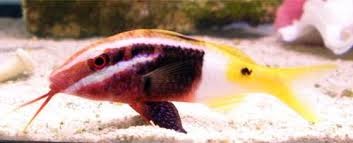
The Bicolor Goatfish is a distinctive and active bottom-dwelling species that brings both visual appeal and fascinating foraging behavior to marine aquariums. Native to the Indo-Pacific region, from the Red Sea to Hawaii and French Polynesia, this peaceful sand-sifter features a striking color pattern of white and yellow bands along with characteristic sensory barbels beneath its chin. With moderate care requirements and a peaceful disposition, the Bicolor Goatfish makes an excellent addition for intermediate to advanced aquarists with appropriately sized systems and sandy substrates.
Key Features
- Scientific Name: Parupeneus barberinoides
- Common Names: Bicolor Goatfish, Two-Barred Goatfish, Yellow Saddle Goatfish
- Adult Size: 10–12 inches (25–30 cm); commonly 8–10 inches in aquariums
- Lifespan: 5–8 years with proper care
- Temperament: Peaceful and active; generally reef-safe but may consume small ornamental shrimp
- Reef Compatibility: Reef-safe with caution – may eat small crustaceans and worms
- Minimum Tank Size: 125 gallons minimum (180+ gallons recommended for adults)
- Experience Level: Intermediate to Advanced – requires specific substrate and active feeding
Habitat & Tank Requirements
Natural Habitat: Found on coral reefs, sandy lagoons, and reef flats at depths ranging from 10–100 feet. Typically inhabits areas with mixed sand and rubble where they actively forage throughout the day, using their barbels to probe the substrate for hidden prey.
Tank Environment:
- Deep sand bed essential (3–4 inches minimum of fine to medium grain sand)
- Open sandy areas for foraging and resting
- Moderate rockwork with caves and overhangs for shelter
- Secure rockwork to prevent collapse during digging activity
- Adequate swimming space along tank bottom
- Live rock with microfauna population for supplemental feeding
Water Parameters:
- Temperature: 74–80°F (23–27°C)
- Salinity: 1.023–1.025 specific gravity
- pH: 8.1–8.4
- Ammonia/Nitrite: 0 ppm
- Nitrate: <20 ppm
- Alkalinity: 8–12 dKH
Essential Equipment:
- Quality protein skimmer appropriate for tank size
- Efficient mechanical and biological filtration
- Moderate water flow with calm areas near substrate
- Sand-safe powerheads positioned away from bottom
- Standard aquarium lighting (not light-sensitive)
- Weekly water changes (15–20% minimum)
Diet & Feeding
Bicolor Goatfish are carnivorous bottom feeders requiring a varied diet rich in meaty foods and natural foraging opportunities.
Recommended Foods:
- Fresh/Frozen Meats: Mysis shrimp, brine shrimp, chopped seafood, krill (primary diet)
- Live Foods: Live blackworms, live brine shrimp, copepods (highly beneficial)
- Prepared Foods: High-quality marine carnivore pellets, marine flakes (supplementary)
- Natural Foraging: Microfauna in live rock and sand bed (bristleworms, amphipods, copepods)
- Enrichment: Vitamin-soaked frozen foods, garlic-enriched preparations for immune support
Feeding Schedule:
- Feed 2–3 times daily for optimal health
- Target feed near substrate to accommodate bottom-feeding behavior
- Provide variety to ensure complete nutrition
- Allow time for natural foraging between feedings
- Ensure fish receives adequate food before more aggressive eaters finish
Behavior & Compatibility
Temperament:
- Peaceful and non-aggressive toward other fish species
- Active forager constantly probing sand with barbels
- May become territorial toward other goatfish in smaller tanks
- Generally ignores fish tankmates while focused on substrate
- Diurnal (active during daylight hours)
Tank Mates:
- Compatible with: Tangs, angelfish, butterflyfish, wrasses, clownfish, damselfish, dottybacks, anthias, gobies, blennies, most peaceful to semi-aggressive species
- Caution with: Small ornamental shrimp (may be consumed), very aggressive feeders that outcompete for food
- Avoid: Large predatory species (groupers, lionfish, large triggers), multiple goatfish unless tank is 200+ gallons
Social Behavior:
- Best kept singly in home aquariums under 200 gallons
- May be kept in small groups in very large systems with ample space
- Barbels used to detect food buried in substrate
- Often changes color at night to blend with surroundings
- May rest on bottom or wedge into rockwork at night
Reef Compatibility:
- Generally reef-safe with corals and anemones
- Will not harm sessile invertebrates
- May consume ornamental shrimp, small crabs, and beneficial worms
- Excellent algae control through consumption of detritus and hitchhikers
- May disturb sand around coral bases during foraging
Acclimation & Care Tips
Initial Acclimation:
- Float bag for temperature equalization (15–20 minutes)
- Dim lights during introduction to reduce stress
- Introduce during feeding time to distract other fish
- Provide hiding spots immediately upon introduction
Signs of a Healthy Specimen:
- Active foraging behavior with constant substrate probing
- Clear, bright eyes and alert demeanor
- Intact barbels showing no damage or erosion
- Smooth, streamlined body with vibrant coloration
- Strong feeding response to offered foods
- Normal swimming pattern without listing or lethargy
- Regular color changes between day and night
Color & Development
Coloration Characteristics:
- Body: Pearly white to pale pink base color
- Saddle Pattern: Two distinctive yellow to golden-yellow bars across back (one near head, one near tail)
- Head: May show pink to reddish hues, especially when active
- Fins: Transparent to pale yellow with subtle markings
- Barbels: White to pale pink, highly mobile sensory organs
Color Intensity:
- High-quality diet maintains vibrant yellow saddles
- Stress causes temporary fading or darkening
- Color deepens during active feeding and exploration
- May adopt mottled reddish-brown pattern at night for camouflage
- Excellent water quality preserves brilliant white base coloration
Size & Growth:
- Juveniles typically available at 2–4 inches
- Moderate growth rate: 2–3 inches annually when well-fed
- Reach 6–8 inches within 2–3 years in aquariums
- Maximum size in captivity typically 10–12 inches
- Growth rate dependent on feeding frequency and quality
Foraging & Natural Behavior
Natural Foraging Style:
- Uses chin barbels to detect buried prey through chemoreception
- Constantly probes and sifts through sand substrate
- Creates small depressions while searching for food
- May flip small rocks or shells while hunting
- Highly efficient at locating hidden invertebrates
Feeding Behavior:
- Most active during early morning and late afternoon
- Will swim to surface for floating foods once acclimated
- Generally peaceful during feeding but persistent
- May follow other fish that disturb substrate
- Barbels in constant motion during foraging activity
Why Choose a Quarantined Bicolor Goatfish?
A properly quarantined Bicolor Goatfish is a healthier, less stressed specimen that has been observed, treated, and conditioned for aquarium life. Our quarantine protocol includes extended health observation (3–4 weeks minimum), preventative parasite treatment, dietary conditioning to accept diverse frozen and prepared foods, barbel health assessment to ensure no damage or infection, and proper acclimation to aquarium environments and feeding schedules.
This provides you with confidence that your goatfish has been professionally evaluated and prepared for long-term success in your home aquarium. These captivating foragers combine striking appearance, peaceful temperament, and endlessly entertaining behavior in a species that rewards attentive care with years of active presence and natural sand-sifting benefits for your marine ecosystem.
| Service Level | Quarantined |
|---|
You must be logged in to post a review.
Reviews
There are no reviews yet.