
Multicolor Angelfish
$129.99
Centropyge multicolor
| Care Level | Intermediate |
| Temperament | Peaceful to semi-aggressive |
| Color Form | Yellow, white, blue, and orange gradient with pastel tone |
| Diet | Omnivore |
| Reef Compatible | Reef-safe with caution |
| Water Conditions | sg 1.023–1.025, 72–78°F, pH 8.1–8.4, dKH 8–12 |
| Max Size | 4″ |
| Family | Pomacanthidae |
| Minimum Tank Size | 70 gallons |
3-Day Guarantee
Approximate Purchase Size: Small: 1-2″; Medium: 2-3″; Large: 3-4″
Multicolor Angelfish
Also known as the Pastel Pygmy Angelfish or Multicolored Angelfish
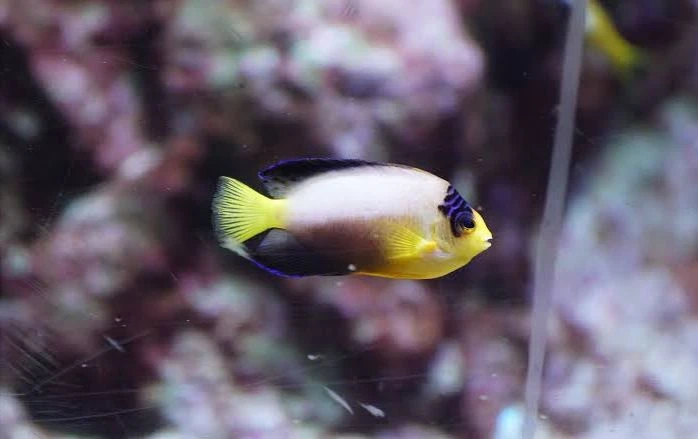
The Multicolor Angelfish is a stunning dwarf angelfish species featuring a vibrant palette of yellow, blue, white, and orange coloration that creates a beautiful gradient effect across its body. Native to the Western Pacific, particularly around Micronesia and Palau, this small but striking angelfish combines bold colors with a peaceful temperament, making it a prized addition for reef and fish-only aquariums alike.
Key Features
- Scientific Name: Centropyge multicolor
- Common Names: Multicolor Angelfish, Pastel Pygmy Angelfish, Multicolored Angelfish
- Adult Size: Up to 3.5–4 inches
- Lifespan: 5–10+ years with proper care
- Temperament: Peaceful to semi-aggressive; less territorial than most dwarf angels
- Reef Compatibility: Reef-safe with caution – may occasionally nip at coral polyps and clam mantles, but generally less destructive than most Centropyge species
- Minimum Tank Size: 70+ gallons preferred
- Experience Level: Intermediate
Habitat & Tank Requirements
- Tank Environment: Provide ample live rock with caves, crevices, and hiding spots. Multicolor Angels appreciate complex rockwork for grazing and establishing territories, though they are generally more visible and less reclusive than some other dwarf angels.
- Water Parameters:
- Temperature: 72–78°F (22–26°C)
- Salinity: 1.023–1.025
- pH: 8.1–8.4
- Ammonia/Nitrite: 0 ppm
- Nitrate: <20 ppm
- dKH: 8–12
- Aquascape: Dense live rock formations with natural algae growth are beneficial for grazing and providing shelter. Multiple caves and swimming routes encourage natural behavior.
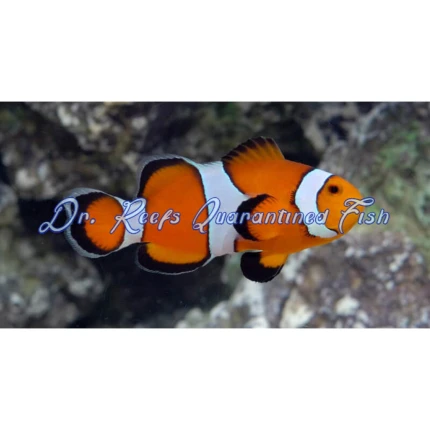
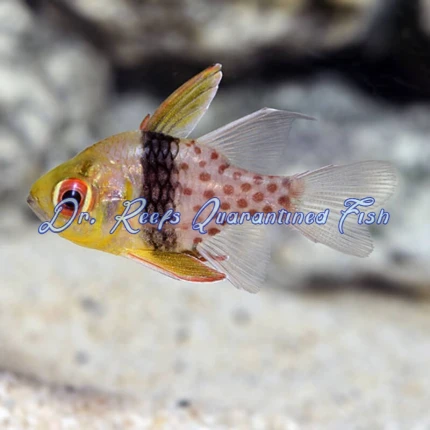
- Compatibility: Generally peaceful and less aggressive than many dwarf angels. Can coexist with other peaceful to semi-aggressive species including clownfish, gobies, small wrasses, cardinalfish, and tangs. While typically less territorial, avoid housing with other Centropyge species unless in very large systems (100+ gallons). May be kept in pairs in tanks 75+ gallons if introduced simultaneously.
Diet & Feeding
Multicolor Angelfish are omnivores requiring a varied diet with emphasis on both algae and meaty foods:
- Plant Matter: Marine algae, spirulina, nori sheets, high-quality herbivore pellets and flakes
- Meaty Foods: Mysis shrimp, vitamin-enriched brine shrimp, finely chopped seafood, copepods, quality marine pellets
- Specialty Items: Foods containing sponge material (important for long-term health and coloration)
- Natural Grazing: Will actively pick at microalgae, film algae, and detritus on live rock throughout the day
- Commercial Foods: High-quality dwarf angelfish preparations, frozen angel formulas
- Feeding Schedule: Feed 2–3 times daily in small portions. Consistent varied feeding maintains vibrant coloration and supports overall health.
Notes & Considerations
- Behavior: Multicolor Angels are among the more peaceful dwarf angelfish species. They are active, visible, and generally spend more time in the open than many other Centropyge species. Once established, they become bold and curious, often approaching the glass during feeding times. Less prone to aggressive territorial behavior than Flame Angels, Coral Beauty, or Lemonpeels.
- Coloration: Features a distinctive gradient pattern with yellow on the anterior portion, transitioning through white in the midsection, to blue on the posterior, with orange highlights on the fins and tail. The subtle pastel tones give this species its “Pastel Pygmy” common name. Coloration intensity varies with diet, water quality, and stress levels, well-maintained specimens display the most vibrant hues.
- Coral Compatibility: Generally more reef-safe than most dwarf angels. While they may occasionally sample coral polyps, zoanthids, or clam mantles, they typically cause minimal damage compared to species like Lemonpeels or Bicolor Angels. Many reef aquarists successfully keep Multicolors with mixed coral collections, though individual behavior varies. Best success with SPS corals and hardy soft corals; use caution with prized LPS specimens and clams.
- Acclimation: Generally hardy once established but can be somewhat delicate during initial acclimation. Proper acclimation, stable water parameters, and a stress-free introduction are important. May hide for the first few days before becoming more confident and visible.
- Gender: Sexual dimorphism is minimal and difficult to observe externally. Multicolor Angels are protogynous hermaphrodites (females can transform into males). Some sources suggest males may be slightly larger with more intense coloration, but this is unreliable for sexing. Captive breeding has been documented but is rare.
- Geographic Variations: Specimens from different regions may show slight variations in color intensity and pattern, though differences are generally subtle.
- Disease Susceptibility: Moderately hardy but can be susceptible to marine ich (Cryptocaryon) and velvet (Amyloodinium), particularly during acclimation stress or in suboptimal conditions. Quarantine is recommended to ensure health and prevent disease introduction.
- Tank Mates: Peaceful nature makes them compatible with a wide range of species. Avoid housing with overly aggressive fish that may intimidate or outcompete them for food. Generally does well with other peaceful dwarf angels of different species in appropriately sized tanks, though caution is still advised.
- Feeding Response: Typically adapts well to prepared foods, though some individuals may be initially shy or picky. Offering varied foods usually encourages consistent eating. Once established, most become enthusiastic feeders.
- Activity Level: More active and visible than some dwarf angels like the Multibar or Fisher’s Angel. Spends considerable time swimming openly and exploring the aquarium rather than hiding constantly.
- Rarity & Availability: Less commonly available than species like Flame Angels, Coral Beauty, or Lemonpeels, as collection is limited to specific geographic regions. When available, they typically command moderate to premium pricing depending on size and quality.
- Water Quality Sensitivity: Appreciates stable, high-quality water conditions. While reasonably hardy, they perform best in mature systems with established biological filtration and minimal parameter fluctuations.
Why Choose a Quarantined Multicolor Angelfish?
Our quarantined Multicolor Angelfish are carefully acclimated, disease-screened, and conditioned on varied prepared foods before being offered for sale. This quarantine period ensures you receive a healthy, parasite-free specimen displaying vibrant coloration and established feeding behaviors. Given this species’ moderate sensitivity during acclimation and relative rarity in the trade, proper quarantine significantly improves long-term success, providing you with a beautiful, reef-compatible dwarf angel that will thrive for years while adding its distinctive pastel beauty to your aquarium.
| Service Level | Quarantined |
|---|
You must be logged in to post a review.
Reviews
There are no reviews yet.