
Queen Angelfish (Juvenile)
Price range: $299.99 through $344.99
Holacanthus ciliaris
| Care Level | Moderate to High |
| Temperament | Solitary and territorial |
| Color Form | dark blue body with brilliant curved vertical bars and vibrant yellow accents |
| Diet | Omnivore |
| Reef Compatible | With Caution |
| Water Conditions | 72–82°F (24–28°C), Sg 1.020–1.025, pH: 8.1–8.4 |
| Max Size | 18″ |
| Family | Pomacanthidae |
| Minimum Tank Size | 180-250 gallons |
3-Day Guarantee
Approximate Purchase Size: Small: 1-2.5″; Medium: 2.5-3.75″; Large: 4-5″
Queen Angelfish (Juvenile)
Also known as the Blue Angelfish, Golden Angelfish, or Yellow Angelfish
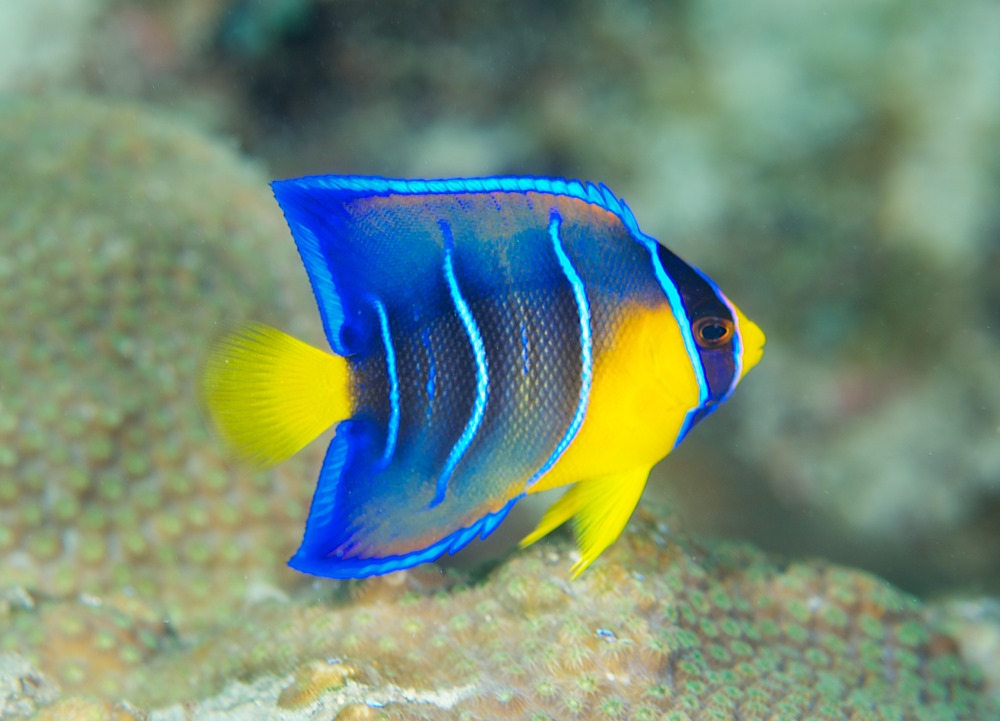
The Queen Angelfish juvenile is a striking marine species that displays dramatically different coloration from its adult form. With a dark blue body adorned with brilliant curved vertical bars and vibrant yellow accents, juvenile Queens are sought-after additions to large marine aquariums. Native to the Western Atlantic Ocean, Caribbean Sea, and Gulf of Mexico, these juveniles serve a unique ecological role as cleaner fish before transitioning into the regal adults they’ll become.
Key Features
- Scientific Name: Holacanthus ciliaris
- Common Names: Queen Angelfish, Blue Angelfish, Golden Angelfish, Yellow Angelfish
- Adult Size: Up to 18 inches (45 cm)
- Lifespan: 15–20 years with proper care
- Temperament: Solitary and territorial (juveniles); semi-aggressive (adults)
- Reef Compatibility: Juveniles are reef-safe cleaners; adults will graze on sponges and corals
- Minimum Tank Size: 180–250 gallons
- Experience Level: Intermediate to advanced
Habitat & Tank Requirements
- Tank Environment: Juveniles require territories with abundant live rock, finger sponges, and coral colonies for protection and establishing cleaning stations. Provide caves and hiding places that mimic natural offshore reef habitats at depths of 1–70 meters.
- Water Parameters:
- Temperature: 72–82°F (24–28°C)
- Salinity: 1.020–1.025
- pH: 8.1–8.4
- Aquascape: Live rock is essential—juveniles will graze between feedings and use rock formations to establish territories and cleaning stations. A well-established tank (6+ months old) is strongly recommended.
- Compatibility: Juveniles are solitary and establish territories. Extremely aggressive toward other Queen Angelfish, do not house multiple Queens together. Adults form harems (1 male with 2–4 females) in the wild. Best added last to the tank to reduce territorial disputes.
Diet & Feeding
Juvenile Queen Angelfish have significantly different dietary needs than adults and adapt more readily to aquarium foods:
- Juvenile Diet (Cleaner Stage): In the wild, primarily ectoparasites, loose scales, and debris removed from larger fish at their established cleaning stations. Also consume algae and plankton.
- Adult Diet: Primarily sponges (90% of diet), supplemented with tunicates, jellyfish, corals, hydroids, bryozoans, algae, and plankton.
- Aquarium Foods:
- Meaty Foods: Vitamin-enriched mysis shrimp, brine shrimp, chopped clams, squid
- Plant Matter: Marine algae, nori, spirulina, dried seaweed
- Specialty Items: Frozen foods containing sponge matter (essential for long-term health)
- Feeding Schedule: Feed small portions 3 times daily. Remove uneaten food promptly to maintain water quality.
Notes & Considerations
- Appearance Transformation: Juveniles display dark blue bodies with curved brilliant blue vertical bars and yellow coloration around the pectoral fins, extending to a completely yellow tail. This distinctive pattern differs dramatically from adults, which feature iridescent blue-green bodies with yellow-tipped scales, yellow tail, and a distinctive blue “crown” spot on the forehead. The curved bars distinguish juvenile Queens from juvenile Blue Angelfish (Holacanthus bermudensis), which have straighter bars.
- Cleaning Behavior: One of the most fascinating behaviors—juveniles establish cleaning stations within their territories where larger fish, even predators, visit for parasite removal. A remarkable truce occurs at these stations, with large fish remaining motionless and trusting the juvenile not to be eaten while allowing access to sensitive areas like gills.
- Life Cycle: Transparent pelagic eggs hatch in 15–20 hours. Larvae initially lack functional eyes, fins, and gut, surviving on yolk sacs for approximately 48 hours. After 3–4 weeks as plankton-eating larvae, they reach 15–20 mm (0.6–0.8 inches) and descend to the reef floor as juveniles, settling among finger sponges and coral colonies.
- Hybridization: Queen Angelfish can interbreed with Blue Angelfish (Holacanthus bermudensis), producing fertile natural hybrids known as Townsend Angelfish—a rare occurrence among angelfish species.
- Water Sensitivity: Queen Angelfish are extremely sensitive to water parameter changes and nitrite. Regular water changes and consistent monitoring are critical. They require pristinely clean aquariums and are not recommended for beginners.
- Feeding Challenges: The biggest challenge in captivity is replicating their natural sponge-based diet. Frozen foods containing sponge matter are now available specifically for angelfish and butterflyfish.
Why Choose a Quarantined Juvenile Queen Angelfish?
Our quarantined juvenile Queen Angelfish are acclimated, monitored, and conditioned before being offered for sale. Juveniles have a significantly higher survival rate in aquariums than adults because they can adapt to typical aquarium foods, whereas adults require specialized sponge-heavy diets that are extremely difficult to replicate in captivity. Purchasing juveniles also allows you to witness their stunning color transformation as they mature. This ensures they arrive healthy, parasite-free, and ready to thrive in your aquarium, giving you peace of mind and the best chance for long-term success with this spectacular species.
| Service Level |
Quarantined |
|---|---|
| Extended Guarantee |
3 days (Included) ,7 days ,14 days |
You must be logged in to post a review.
Related products
Chalk Bass (Wild Caught)
Price range: $49.99 through $57.99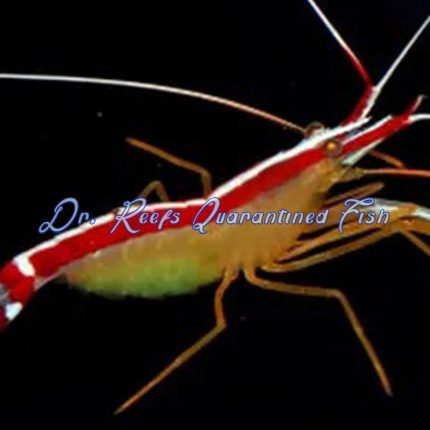
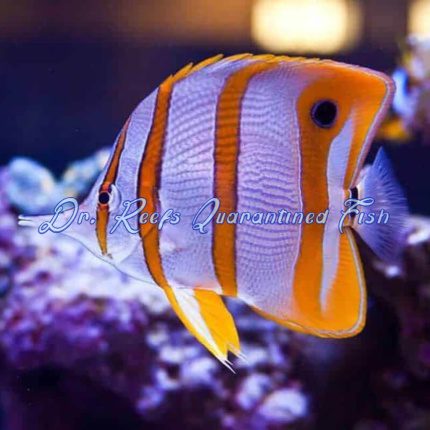
Copperband Butterflyfish
Price range: $149.99 through $218.99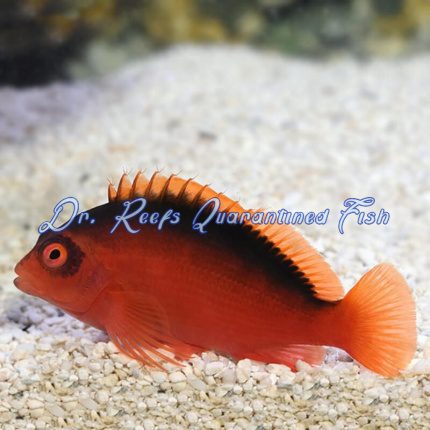
Flame Hawkfish
Price range: $99.99 through $114.99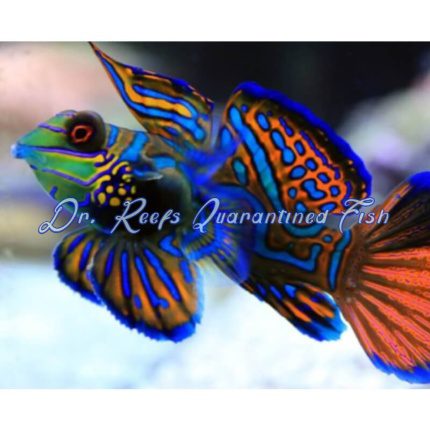
Mandarin – Blue/Green (Wild Caught)
Price range: $79.99 through $91.99
Nassarius Snail Large
Price range: $19.99 through $69.99
Reviews
There are no reviews yet.