
Ocellaris Clownfish
Price range: $29.99 through $49.99
Amphiprion ocellaris
| Care Level | Beginner |
| Temperament | Peaceful to semi-aggressive |
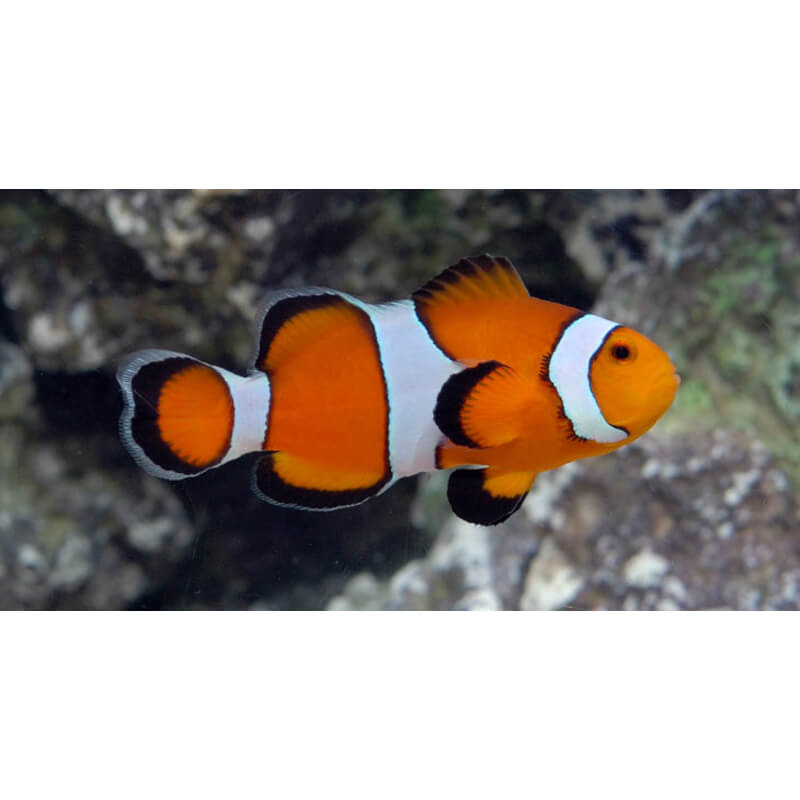
| Color Form | Orange body with three white bands edged in black |
| Diet | Omnivore |
| Reef Compatible | Reef-safe |
| Water Conditions | sg 1.023–1.025, 74–80°F, pH 8.1–8.4 |
| Max Size | 4“ |
| Family | Pomacentridae |
| Minimum Tank Size | 20 gallons |
3-Day Guarantee
Approximate Purchase Size: Small: 1″ to 1.25″; Medium: 1.25″ to 1.75″; Large: 1.75″ to 2.25″
Ocellaris Clownfish
Also known as the False Percula Clownfish or Common Clownfish
The Ocellaris Clownfish is the iconic clownfish species that captured hearts worldwide, featuring vibrant orange coloration with three distinctive white bands edged in black. This naturally occurring species is the most popular marine aquarium fish, beloved for its hardiness, charming personality, and recognition as “Nemo” from popular culture. Captive-bred specimens are exceptionally robust, eagerly accept all foods, and thrive in home aquariums with minimal special requirements. Hardy, personable, and beginner-friendly, the Ocellaris Clownfish represents the perfect introduction to marine fishkeeping while remaining a favorite among experienced aquarists for its reliable behavior and engaging interactions.
Key Features
- Scientific Name: Amphiprion ocellaris
- Common Names: Ocellaris Clownfish, False Percula Clownfish, Common Clownfish, Nemo Fish
- Adult Size: 3–4 inches (7.5–10 cm)
- Lifespan: 8–12+ years with proper care (up to 15+ years possible)
- Temperament: Peaceful to semi-aggressive; generally peaceful toward most tankmates
- Reef Compatibility: 100% reef-safe
- Minimum Tank Size: 20 gallons (30+ gallons recommended for pairs)
- Experience Level: Beginner
Habitat & Tank Requirements
Natural Habitat: Found throughout the Indo-Pacific from the Ryukyu Islands to northern Australia, typically in sheltered lagoons and coastal reefs at depths of 3–50 feet. Naturally associate with Magnificent, Merten’s, and Giant Carpet anemones.
Tank Environment:
- Optional host anemone or suitable coral substitute (not required)
- Live rock structure with caves and hiding spots
- Moderate water flow with calmer zones
- Stable aquarium (2+ months established recommended but adaptable)
Water Parameters:
- Temperature: 74–80°F (23–27°C)
- Salinity: 1.023–1.025 specific gravity
- pH: 8.1–8.4
- Ammonia/Nitrite: 0 ppm
- Nitrate: <20 ppm
- Alkalinity: 8–12 dKH
Essential Equipment:
- Quality protein skimmer (for systems over 30 gallons)
- Adequate filtration system
- Standard aquarium lighting
- Regular water changes (10–15% weekly or 20% biweekly)
Diet & Feeding
Recommended Foods:
- High-quality marine pellets and flakes
- Mysis shrimp, enriched brine shrimp, cyclops
- Spirulina flakes and nori (occasional)
- Vitamin-enriched preparations
- Virtually any quality marine fish food
Feeding Schedule:
- Feed 1–2 times daily
- Offer variety for optimal health and coloration
- Small portions consumed within 2–3 minutes
- Very eager eaters that readily accept all foods
Note: Ocellaris Clownfish are among the least finicky marine fish. They eagerly accept pellets, flakes, and frozen foods from day one, making feeding effortless.
Behavior & Compatibility
Temperament:
- Generally peaceful and outgoing
- May display mild territorial behavior around chosen host area
- Bold, curious personality
- Highly interactive and recognizes owner
- Less aggressive than maroon or clarkii species
Tank Mates:
- Compatible with: Virtually all peaceful to semi-aggressive community fish including gobies, blennies, dartfish, firefish, cardinalfish, basslets, dwarf angels, tangs, wrasses, butterflies
- Caution with: Aggressive dottybacks, large predatory fish
- Avoid: Other clownfish species in tanks under 75 gallons (territorial disputes possible)
Reef Compatibility:
- 100% reef-safe; completely harmless to all corals
- Safe with all invertebrates and clean-up crew
- Will not nip, bite, or damage any sessile invertebrates
- Perfect for any reef aquarium configuration
Acclimation & Care Tips
Initial Acclimation:
- Drip acclimation over 45–60 minutes recommended
- Float bag for temperature equalization (15–20 minutes)
- Dim lights during introduction helpful but not critical
- Very adaptable to new environments
Health Considerations:
- Captive-bred specimens exceptionally hardy and disease-resistant
- Can be susceptible to marine ich and velvet when stressed
- Quarantine 3–4 weeks recommended as best practice
- Generally robust with excellent survival rates
Signs of Health:
- Active, curious swimming throughout tank
- Vibrant orange coloration with crisp white bands
- Clear, bright eyes with orange-red iris
- Immediate eager feeding response
- Smooth fins with black edging intact
Color & Development
Standard Coloration:
- Base Color: Bright orange to orange-yellow body
- Bands: Three white vertical bands (head, mid-body, tail)
- Band Edging: Thin black outline around white bands (distinguishes from Percula)
- Fins: Orange with black tips and edging
- Eyes: Bright orange-red iris
- Overall Effect: Classic, instantly recognizable clownfish appearance
Distinguishing from Percula Clownfish:
- Thinner black edging on white bands (Percula has thick black)
- Taller dorsal fin with 11 spines (Percula has 10)
- Slightly larger maximum size
- Generally less intense orange coloration
- More widespread distribution
Color Stability:
- Vibrant coloration present from juvenile stage
- Colors remain consistent throughout life
- Quality diet maintains intensity
- Black edging on bands stays crisp with good care
Factors Affecting Appearance:
- Premium diet with carotenoids maintains orange vibrancy
- Proper lighting showcases coloration
- Low stress preserves color intensity
- Mature specimens may develop slightly deeper orange tones
Anemone Hosting Behavior
Compatible Host Anemones:
- Bubble Tip Anemone (Entacmaea quadricolor) – most popular, hardy choice
- Magnificent Anemone (Heteractis magnifica) – natural host
- Sebae Anemone (Heteractis crispa)
- Long Tentacle Anemone (Macrodactyla doreensis)
Coral Substitute Hosts:
- Hammer Coral (Euphyllia ancora) – commonly accepted
- Frogspawn Coral (Euphyllia divisa)
- Torch Coral (Euphyllia glabrescens)
- Large Toadstool Leather (Sarcophyton sp.)
Hosting Considerations:
- Captive-bred Ocellaris may or may not host in anemones
- Some host immediately; others take weeks, months, or never
- May adopt powerheads, corners, or other objects as “territory”
- An anemone is completely optional for health and happiness
- Fish thrive perfectly well without any host
Breeding Potential
Pairing & Spawning:
- Ocellaris Clownfish readily pair and spawn in home aquariums
- Two fish housed together will form pair (dominant becomes female)
- Females lay 200–500+ eggs on flat surfaces
- Males guard and tend eggs for 6–10 days until hatching
- Among easiest marine fish to breed
Social Structure:
- All clownfish born male; largest becomes female
- Clear size hierarchy develops in pairs
- Peaceful pairing process (rarely aggressive)
- Strong pair bonds form and last for life
Special Considerations
Perfect Beginner Fish: Ocellaris Clownfish are universally recommended as the ideal first marine fish. Exceptionally hardy, eagerly eat all foods, tolerate water parameter fluctuations better than most species, and adapt quickly to aquarium life.
Captive-Bred Advantages:
- Superior hardiness compared to wild-caught fish
- Already acclimated to aquarium foods and conditions
- No anemone required (never learned natural hosting behavior)
- Better survival rates and easier care
- Environmentally responsible (no wild collection impact)
Cultural Icon: Recognition as “Nemo” makes these fish especially appealing to families and children, helping inspire interest in marine aquariums and ocean conservation.
Proven Track Record: Decades of successful captive breeding and aquarium keeping demonstrate reliable, predictable behavior. Ocellaris are among the most thoroughly understood marine aquarium fish.
Breeding Starter Species: Their willingness to spawn in home aquariums makes them excellent first breeding projects for aquarists interested in marine fish propagation.
Quarantine Recommended: Despite extreme hardiness, quarantine protocols including health observation, preventative treatment, and dietary conditioning ensure long-term success and protect established aquariums.
Long-Term Companion: With 10–15+ year lifespans, Ocellaris Clownfish become long-term aquarium companions that often outlive other tankmates and even the aquariums themselves.
Why Choose a Quarantined Ocellaris Clownfish?
Quarantined specimens provide verified health, established feeding on all foods, stress-free acclimation, disease prevention, and peace of mind. While Ocellaris are exceptionally hardy, quarantine ensures your fish arrives in perfect condition and poses zero risk to your established aquarium.
| Service Level | Quarantined |
|---|---|
| Size | Sm-Med, Large, XL |
1 review for Ocellaris Clownfish
You must be logged in to post a review.
Related products
Blue Throat Triggerfish (Male)
Price range: $179.99 through $239.99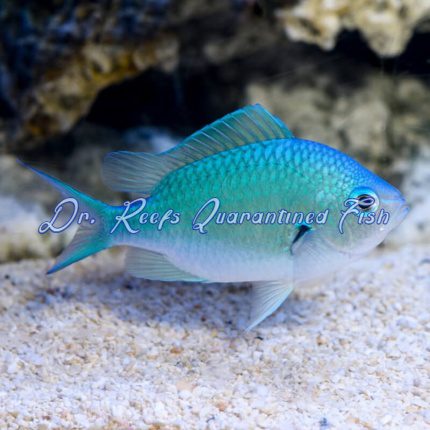
Chromis
Price range: $19.99 through $39.99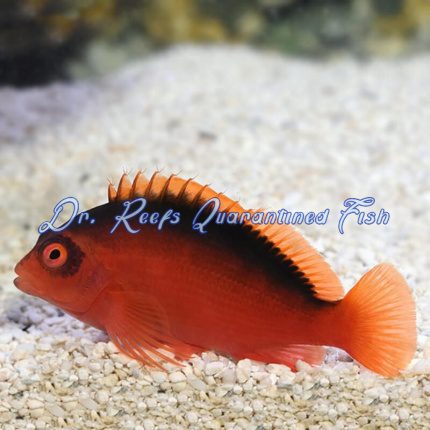
Flame Hawkfish
$99.99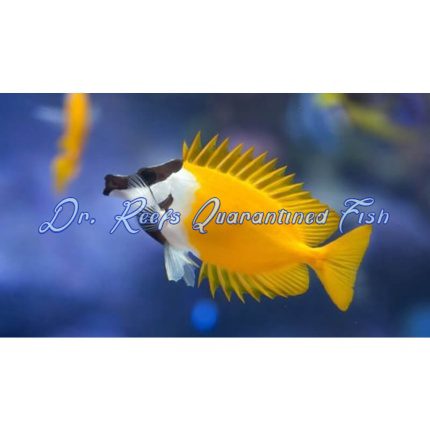
Foxface
$149.99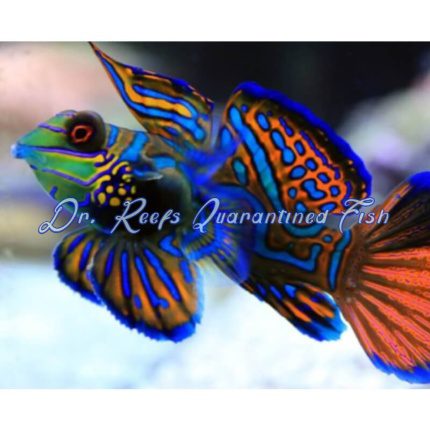
Mandarin – Blue/Green (Wild Caught)
$79.99
Nerite Snail
Price range: $14.99 through $69.99
AndyR83 (verified owner) –
Looking forward to seeing these guys in my office when I walk in to work every morning! Thank you!