
Lamarck’s Angelfish
$99.99
Genicanthus lamarck
| Care Level | Moderate |
| Temperament | Peaceful to semi-aggressive |
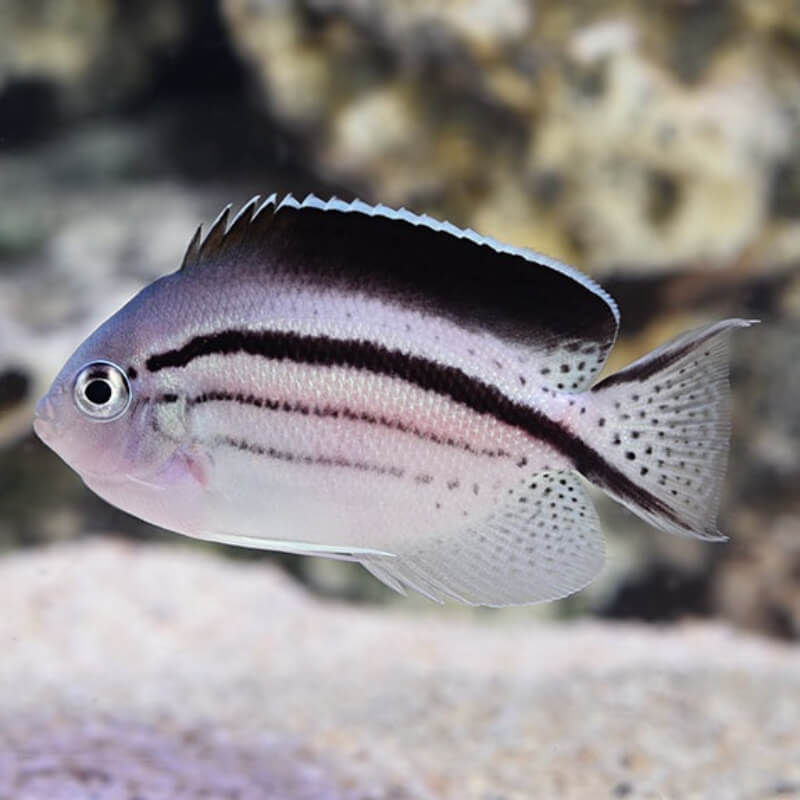
| Color Form | White/gray body with horizontal black stripes and black-edged tail. |
| Diet | Omnivore |
| Reef Compatible | Reef-safe |
| Water Conditions | 72–78°F (22–26°C), Sg 1.023–1.025, pH: 8.1–8.4, dKH: 8–12 |
| Max Size | 10″ |
| Family | Pomacanthidae |
| Minimum Tank Size | 125 gallons |
3-Day Guarantee
Approximate Purchase Size: Small: 1-2.5″; Medium: 2.5-3.75″; Large: 4-5″
Lamarck’s Angelfish
Also known as the Freckled Angelfish or Yellowbar Angelfish
Lamarck’s Angelfish is an elegant marine species distinguished by its silvery-white to pale blue body adorned with intricate black spots and reticulated patterns, along with distinctive yellow-orange bars on the head and tail. Native to the Indo-Pacific region, this large angelfish presents a sophisticated appearance with its delicate patterning and graceful demeanor, making it a prized addition to spacious marine aquariums.
Key Features
- Scientific Name: Genicanthus lamarck
- Common Names: Lamarck’s Angelfish, Freckled Angelfish, Yellowbar Angelfish, Blackstriped Angelfish
- Adult Size: Up to 9–10 inches
- Lifespan: 10–15+ years with proper care
- Temperament: Peaceful to semi-aggressive; one of the most reef-safe angelfish
- Reef Compatibility: Reef-safe – generally does not nip corals or clam mantles (one of the few truly reef-compatible angels)
- Minimum Tank Size: 125 gallons (150+ gallons preferred)
- Experience Level: Intermediate to advanced
Habitat & Tank Requirements
- Tank Environment: Provide open swimming areas along with live rock formations featuring caves and hiding spots. Lamarck’s Angels are active swimmers that cruise mid-water, unlike most angelfish that hug rockwork.
- Water Parameters:
- Temperature: 72–78°F (22–26°C)
- Salinity: 1.023–1.025
- pH: 8.1–8.4
- Ammonia/Nitrite: 0 ppm
- Nitrate: <20 ppm
- dKH: 8–12
- Aquascape: Moderate live rock with plenty of open water column for swimming. This species is less reliant on rockwork than typical angelfish.
- Compatibility: Peaceful temperament makes them excellent community fish. Can be kept in harems (one male with multiple females) in larger systems (200+ gallons). Compatible with most reef-safe fish including tangs, wrasses, gobies, and anthias. May be intimidated by overly aggressive tank mates.
Diet & Feeding
Lamarck’s Angelfish are Omnivore in nature, requiring a protein-rich diet with some plant matter:
- Meaty Foods: Mysis shrimp, vitamin-enriched brine shrimp, copepods, finely chopped seafood, marine fish flesh, krill
- Plant Matter: Marine algae, spirulina flakes, nori sheets (offer regularly but meaty foods should dominate)
- Commercial Foods: High-quality marine pellets, frozen angelfish preparations, plankton-based formulas
- Live Foods: Enriched live brine shrimp or copepods (excellent for conditioning)
- Feeding Schedule: Feed 2–3 times daily. Lamarck’s Angels have high metabolisms and benefit from frequent feedings of small portions.
Notes & Considerations
- Behavior: Unlike most angelfish, Lamarck’s Angels are active, open-water swimmers that spend much of their time cruising the mid-levels of the aquarium. They are peaceful and rarely show aggression except between males.
- Sexual Dimorphism: One of the few angelfish with clear visual differences between sexes. Males display horizontal black stripes on the body and more vibrant yellow coloration. Females have a more spotted, speckled pattern without pronounced stripes. This is a sexually dichromatic species.
- Reef Compatibility: Exceptionally reef-safe compared to other angelfish. Their planktivorous diet means they typically ignore corals, clams, and most invertebrates. An excellent choice for mixed reef systems.
- Harem Systems: Can be kept in male-female groups (1 male with 2–3 females) in appropriately sized tanks (200+ gallons). Fascinating social dynamics and courtship behaviors.
- Acclimation: Generally hardy but may be initially shy. Provide hiding spots and avoid aggressive tank mates during acclimation period.
- Gender Transformation: Protogynous hermaphrodite—females can transform into males if no dominant male is present. The largest, most dominant female will typically undergo this transformation.
- Jumping Risk: Active swimmers that may jump if startled. A secure lid or mesh top is recommended.
- Activity Level: More active and visible than typical angelfish, often swimming in open water rather than staying near rockwork.
Why Choose a Quarantined Lamarck’s Angelfish?
Our quarantined Lamarck’s Angelfish are carefully acclimated, health-screened, and feeding eagerly on diverse prepared foods. This quarantine process ensures you receive a vibrant, disease-free specimen with established feeding behaviors, providing confidence and a smooth transition into your reef or fish-only aquarium.
| Service Level | Quarantined |
|---|
You must be logged in to post a review.
Related products
Astraea Snail
Price range: $29.99 through $79.99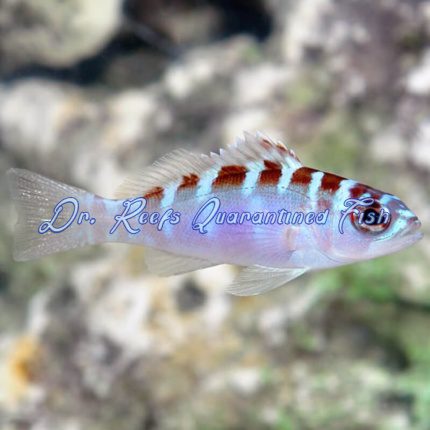
Chalk Bass (Wild Caught)
$49.99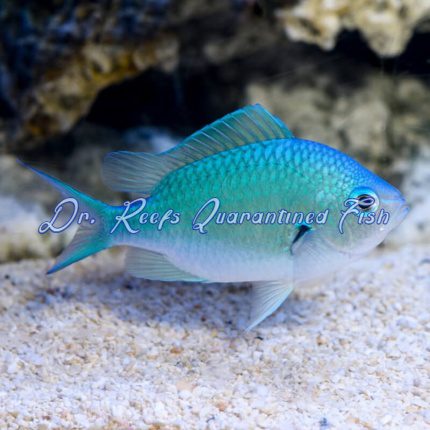
Chromis
Price range: $19.99 through $39.99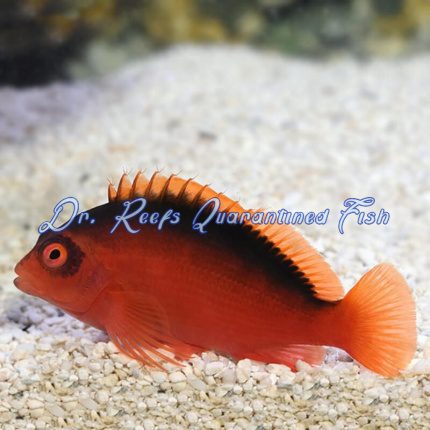
Flame Hawkfish
$99.99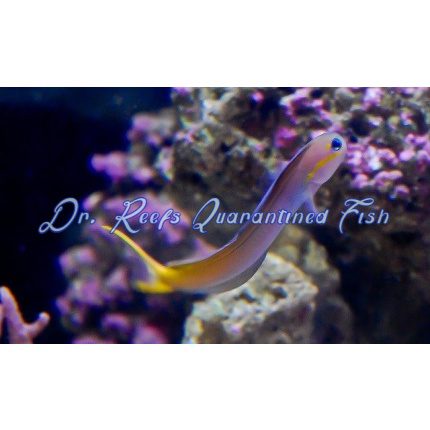
Midas Blenny
$99.99
Pajama Cardinal (Captive Bred)
$39.99
Reviews
There are no reviews yet.