
Dusky Bluefin Angelfish
Price range: $139.99 through $160.99
Centropyge multispinis
| Care Level | Advanced |
| Temperament | Semi-aggressive |
| Color Form | Deep blue to purple body with yellow-orange fins and blue scribble markings |
| Diet | Omnivore |
| Reef Compatible | Not reef-safe |
| Water Conditions | sg 1.023–1.025, 72–78°F, pH 8.1–8.4, dKH 8–12 |
| Max Size | 10″ |
| Family | Pomacanthidae |
| Minimum Tank Size | 70 gallons |
3-Day Guarantee
Approximate Purchase Size: Small: 1-2″; Medium: 2-3″; Large: 3-4″
Dusky Bluefin Angelfish
Also known as the Dusky Angelfish or Scribbled Angelfish
The Dusky Bluefin Angelfish is a breathtaking marine species prized for its intense coloration and distinctive personality. This relatively rare angelfish displays a stunning combination of deep blue to purple body coloration with vibrant yellow-orange fins and intricate blue scribbling across the body. Native to the Western Atlantic, Caribbean, and Gulf of Mexico, this species represents one of the most colorful large angelfish available to marine aquarists, though it requires experienced care and appropriate tank conditions.
Key Features
- Scientific Name: Centropyge multispinis (Note: Often confused with Centropyge multifasciata, also called Dusky Angelfish)
- Common Names: Dusky Bluefin Angelfish, Rock Beauty Angelfish, Dusky Angelfish, Scribbled Angelfish
- Adult Size: Up to 8–10 inches
- Lifespan: 10–15+ years with proper care
- Temperament: Semi-aggressive to aggressive; territorial and can be combative
- Reef Compatibility: Not reef-safe – will nip at corals, sponges, and sessile invertebrates
- Minimum Tank Size: 70 gallons minimum
- Experience Level: Advanced
Habitat & Tank Requirements
- Tank Environment: Provide extensive live rock formations with numerous caves, crevices, and hiding places. Dusky Bluefin Angels are naturally wary and appreciate complex rockwork that offers security while providing grazing surfaces. They require both shelter and open swimming areas to patrol their territory.
- Water Parameters:
- Temperature: 72–78°F (22–26°C)
- Salinity: 1.023–1.025
- pH: 8.1–8.4
- Ammonia/Nitrite: 0 ppm
- Nitrate: <20 ppm
- dKH: 8–12
- Calcium: 400–450 ppm
- Aquascape: Stable rockwork with plenty of swimming space is crucial. They are active swimmers that constantly explore their environment. Create multiple territories with sight barriers using rock formations.
- Compatibility: Best kept as the only angelfish unless the tank is exceptionally large. Can coexist with other semi-aggressive to aggressive fish of different body shapes. Avoid keeping with overly passive species, other angels, or similarly colored fish. Should be added after more docile species are established to reduce aggression toward tank mates.
Diet & Feeding
Dusky Bluefin Angelfish are omnivores with specific dietary requirements for optimal health:
- Meaty Foods: Mysis shrimp, enriched brine shrimp, finely chopped squid, clams, krill, marine fish flesh, high-quality frozen carnivore preparations
- Plant Matter: Marine algae (nori, sea lettuce), spirulina, fresh vegetables, herbivore pellets and flakes
- Specialty Foods: Foods containing natural sponge material (absolutely essential, sponges form a significant part of their natural diet), angel-specific formulas with color enhancers
- Live Rock Grazing: Abundant live rock with natural algae growth and microfauna for continuous grazing is important for digestive health
- Variety is Critical: This species can be finicky and may require patience during acclimation. Offer diverse foods to prevent nutritional deficiencies
- Feeding Schedule: Feed 2–3 times daily in moderate portions. Some specimens can be challenging to get feeding initially and may require live foods or garlic-soaked preparations to stimulate appetite.
Notes & Considerations
- Behavior: Dusky Bluefin Angels are bold and curious once acclimated but can be shy initially. They establish territories aggressively and will defend them against intruders, especially other angelfish or similarly shaped species. They display intelligent, interactive behavior and often recognize their owners.
- Coral Compatibility: Definitely NOT reef-safe. Will actively consume soft corals, nip at LPS and SPS polyps, feed on sponges, and damage clam mantles. Strictly suited for fish-only or FOWLR (fish-only-with-live-rock) setups.
- Coloration & Appearance: Body coloration ranges from deep royal blue to purple-blue with bright yellow-orange to golden yellow pectoral, dorsal, and anal fins. Intricate blue vermiculations or “scribbles” pattern the body and face, becoming more pronounced with age and proper nutrition. The contrasting colors make this one of the most visually striking angelfish species.
- Acclimation Challenges: This species can be sensitive during initial acclimation and may take several days to weeks to settle and begin feeding regularly. Stable water quality, low stress, and patience are essential.
- Sexual Dimorphism: Like most angelfish, Dusky Bluefins are protogynous hermaphrodites. Visual differentiation between males and females is nearly impossible; males may be slightly larger with more intense coloration.
- Sponge Dependency: In the wild, sponges constitute a major dietary component. Captive specimens require foods with sponge material to prevent long-term nutritional deficiencies.
- Water Quality Sensitivity: More sensitive to water quality fluctuations than many other angelfish species. Consistent parameters and regular maintenance are crucial.
Why Choose a Quarantined Dusky Bluefin Angelfish?
Quarantined Dusky Bluefin Angelfish provide critical advantages for this challenging species:
- Health Assurance: Extended quarantine ensures the fish is eating well, disease-free, and fully acclimated before arrival
- Feeding Confidence: Quarantined specimens are already accepting varied prepared foods, eliminating the stress of getting finicky specimens to feed
- Disease Prevention: Comprehensive treatment protocols eliminate parasites and bacterial infections common in wild-caught specimens
- Reduced Mortality: This species has historically high mortality rates in the first months of captivity; quarantined fish have passed the critical acclimation period
- Stress Reduction: Already adapted to aquarium life, processed foods, and human interaction, resulting in calmer behavior
- Long-term Success: Proven track record of feeding and thriving increases likelihood of long-term survival
- Peace of Mind: Knowing your expensive investment arrives healthy and established reduces worry and initial complications
Our quarantined Dusky Bluefin Angelfish undergo extended observation periods (typically 4–6 weeks minimum), receive premium nutrition including essential sponge-based foods, and are treated prophylactically for common marine diseases. This rigorous process ensures they arrive healthy, actively feeding, parasite-free, and fully prepared to thrive in your aquarium, giving you the best possible chance of success with this stunning but challenging species that will reward dedicated care with years of spectacular beauty and engaging personality.
| Service Level |
Quarantined |
|---|---|
| Extended Guarantee |
3 days (Included) ,7 days ,14 days |
You must be logged in to post a review.
Related products
Blue Leg Hermit Crabs
Price range: $19.99 through $74.99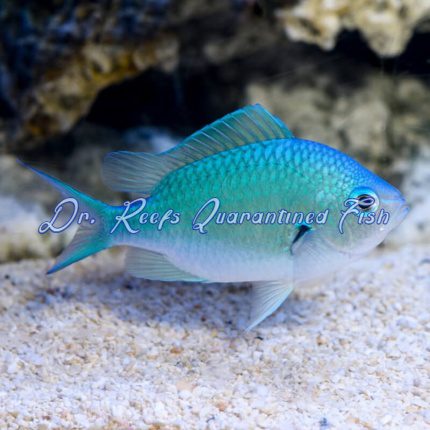
Chromis
Price range: $19.99 through $45.99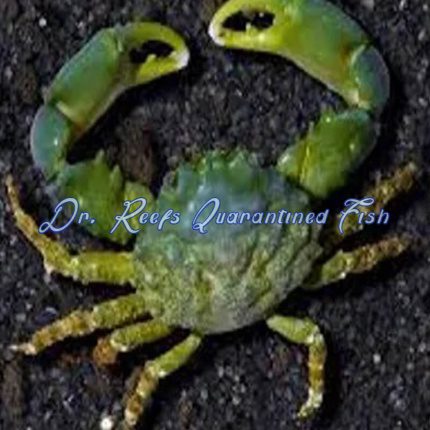
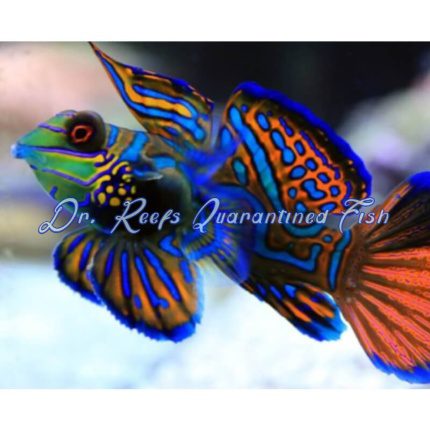
Mandarin – Blue/Green (Wild Caught)
Price range: $79.99 through $91.99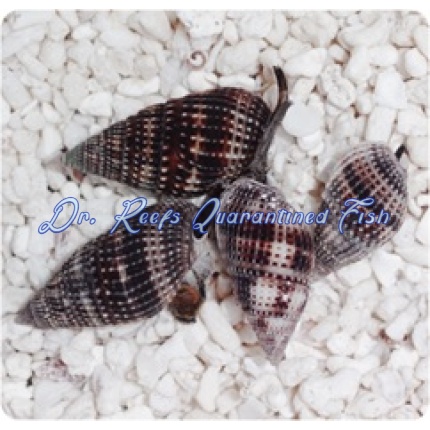
Nassarius Snail Large
Price range: $19.99 through $69.99
Pajama Cardinal (Captive Bred)
Price range: $39.99 through $45.99
Reviews
There are no reviews yet.