
Clown Citron Goby
Price range: $39.99 through $45.99
Gobiodon citrinus
| Care Level | Easy |
| Temperament | non-aggressive |
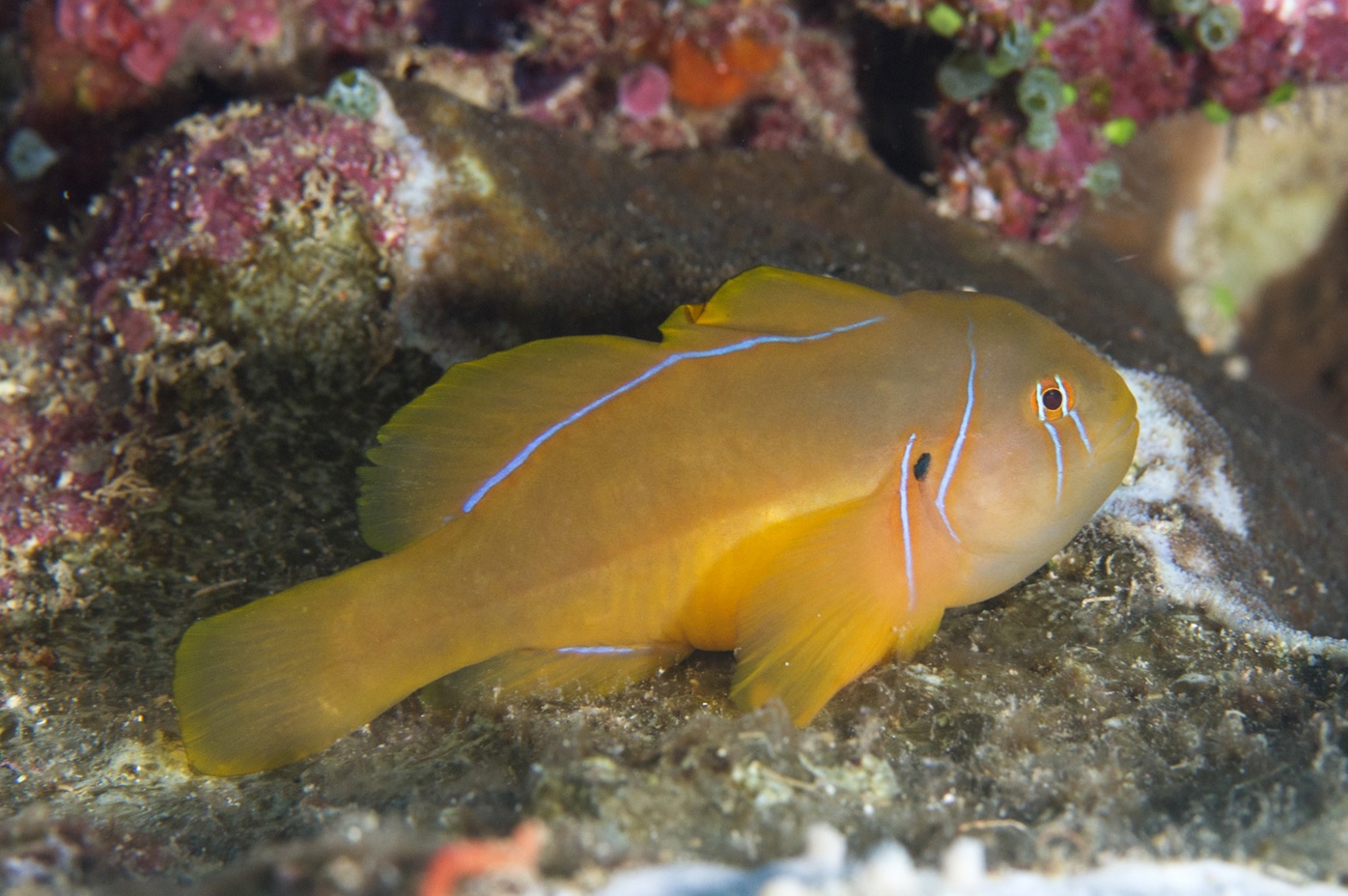
| Color Form | Solid bright yellow body (occasional faint orange facial accents) |
| Diet | Carnivores |
| Reef Compatible | Reef- safe with caution |
| Water Conditions | 72–79°F (22–26°C), sg 1.023–1.025, pH: 8.1–8.4 |
| Max Size | 2.5″ |
| Family | Gobiidae |
| Minimum Tank Size | 20 gallons |
3-Day Guarantee
Approximate Purchase Size: Small to medium
Clown Citron Goby
Also known as the Citron Goby or Citron Clown Goby.
The Clown Citron Goby is a small, bright yellow reef fish with orange markings on the face and a calm, charming personality. They stay perched on branches of coral or rockwork, move gently around the tank, and bring a soft, peaceful presence to nano and reef aquariums. Their small size, low activity level, and simple care requirements make them an excellent choice for beginners and hobbyists with coral-based systems.
Key Features
- Scientific Name: Gobiodon citrinus
- Common Names: Clown Citron Goby, Citron Goby, Citron Clown Goby
- Adult Size: 2–2.5 inches (5–6.5 cm)
- Lifespan: 3–6 years in well-maintained tanks
- Temperament: Peaceful and shy; prefers perching rather than active swimming
- Reef Compatibility: Reef-safe but may occasionally irritate SPS corals when perching
- Minimum Tank Size: 10–20 gallons
- Experience Level: Beginner-friendly
Habitat & Tank Requirements
Natural Habitat: Clown Citron Gobies naturally live in shallow Indo-Pacific reefs, where they perch among coral branches, especially Acropora species. They prefer sheltered, calm water and structures where they can hide or rest.
Tank Environment:
- Provide branching live rock or artificial coral structures for perching
- Gentle to moderate water flow
- Ideal for nano and small reef tanks
- Best kept in stable, mature systems with consistent parameters
Recommended Water Parameters:
- Temperature: 72–79°F (22–26°C)
- Salinity: 1.023–1.025
- pH: 8.1–8.4
- Nitrate: Low to moderate for best color and health
Diet & Feeding
Clown Citron Gobies are carnivorous and feed on tiny crustaceans and zooplankton in the wild. In aquariums they require small, high-quality meaty foods.
Recommended Foods:
- Mysis shrimp
- Baby brine shrimp
- Copepods
- Finely minced marine meat
- Micro-pellets for carnivore
Feeding Schedule: Feed 1–2 times a day with small portions. Ensure food reaches them because they are slow eaters and may be outcompeted by fast-moving fish.
Behavior & Compatibility
Temperament: Clown Citron Gobies are peaceful and gentle. They spend most of their time perched on corals or rock ledges, making them perfect for calm community reef tanks.
Tank Mates:
- Compatible with peaceful species like clownfish, other small gobies, blennies, dartfish, cardinalfish, firefish, and small wrasses
- Avoid large or aggressive fishes that may bully them
- Safe with invertebrates and corals, though they may perch on SPS corals frequently
Breeding Potential
Clown Citron Gobies can form pairs and lay eggs on coral branches or rock surfaces. Males guard and aerate the eggs until hatching. Breeding can occur in captivity, but raising the larvae is difficult because they require microscopic foods and controlled rearing tanks.
Why Choose Us
At Dr Reefs, every Clown Citron Goby is fully quarantined for several weeks. During this time they are carefully monitored, treated when needed, and trained to eat a variety of fine foods suitable for aquarium life. This ensures your fish arrives healthy, stable, and ready to adapt easily to your reef system.
| Service Level |
Quarantined |
|---|---|
| Extended Guarantee |
3 days (Included) ,7 days ,14 days |
1 review for Clown Citron Goby
You must be logged in to post a review.
Related products
Aiptasia Eating Filefish
Price range: $99.99 through $114.99
Astraea Snail
Price range: $29.99 through $79.99
Chalk Bass (Wild Caught)
Price range: $49.99 through $57.99
Coral Beauty Angelfish
Price range: $79.99 through $91.99
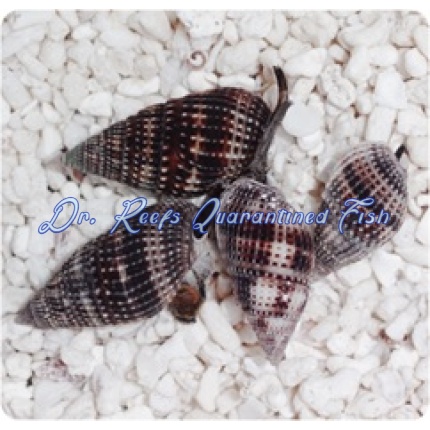
Nassarius Snail Large
Price range: $19.99 through $69.99
Dan K –
My Citron Clown Goby arrived active and looking healthy. It hid for about a day and a half before coming out to explore. I thought he was going to be a nocturnal fish as he spent the first week sitting in the sand and hunting pods at night while disappearing in the day but adjusted to the light and became more active during the day by the end of the first week. He’’ll dart right up to the feeding tube now. If I had to list a negative, it’d be that my fish doesn’t really have a yellow color but is a muted brown/gray appearing dark gray under blue lighting. I’m not really unhappy as I realize these specimens come in a range of colors from dark to yellow but I’m calling it out for anyone who may be pickier about the yellow color. Thanks Dr. Reef, it was well worth the wait!