
Before Buying a Naso Tang, Read These 7 Facts Most Stores Never Mention

Before Buying a Naso Tang, Read These 7 Facts Most Stores Never Mention
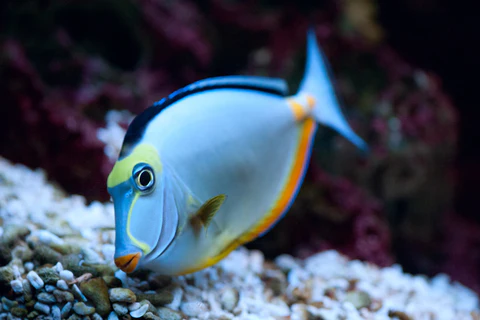
The Naso Tang has a way of stealing the show at a fish store. That sleek gray body, the bright orange tail spines, the confident way it glides around the tank. It is easy to see why so many hobbyists point at the tank and say “that one.” But a glance and a price tag rarely tell you what you actually need to know before this fish comes home with you. Here are seven facts that matter far more than most sales floors ever mention.
1. That “Small” Juvenile Is Going to Get Big
Naso Tangs sold in stores are almost always juveniles, typically 3 to 5 inches long. It is easy to picture that size fitting comfortably in a modest tank. In reality, a Naso Tang can reach 16 to 18 inches as an adult, one of the larger surgeonfish commonly available in the hobby. That growth is not optional or slow. Planning your tank around the adult size from day one saves you from a painful upgrade, or worse, a fish that outgrows its home.
2. The Minimum Tank Size Is Higher Than You’d Guess
A Naso Tang needs a minimum of 180 gallons, with 220 to 250 gallons recommended once it reaches full size. That is a meaningfully bigger commitment than tangs like the Yellow Tang or Kole Tang, and it catches a lot of hobbyists off guard who assumed “tang” meant a fairly standard tank requirement across the board. This is a fish for an established, spacious system, not a starter reef tank.
3. Those Tail Spines Are Fixed in Place, Not Retractable
Every tang has a spine near the tail used for defense, but Naso species are built differently than most. Unlike the retractable spine found on genera like Zebrasoma or Acanthurus, the Naso Tang’s spines are large and fixed in place. They grow continuously as the fish grows. In a smaller tank, those spines can scrape against glass or acrylic walls as the fish swims. Over time this can visibly scratch the tank. It is one more reason why generous swimming space matters so much with this species.
4. Its Face Changes Dramatically as It Matures
One of the more surprising facts about the Naso Tang is how much its appearance transforms with age. Juveniles start out with a fairly plain dark gray body. As they mature, a black mask develops across the face, outlined in bright yellow, and the lips take on a reddish-orange color that gives the fish its nickname, the Lipstick Tang. The fish you bring home as a juvenile will look genuinely different a year or two down the line, which is part of the appeal for hobbyists who enjoy watching a fish develop over time.
5. It Is Peaceful, With One Notable Exception
The Naso Tang has a well-earned reputation as one of the more peaceful tangs available, generally getting along well with wrasses, gobies, anthias, and most other non-tang reef fish. The exception is other Naso Tangs or similarly shaped surgeonfish, where mild territorial behavior can show up, especially in a tank that is not large enough to let each fish claim its own space. This is a fish best kept singly unless your system is genuinely massive.
6. Diet Directly Affects Its Health, Not Just Its Color
Naso Tangs are constant grazers that need a steady, varied herbivore diet, including nori, spirulina, and algae-based foods offered two to three times daily. This is not just about keeping colors vibrant. A poorly fed Naso Tang is significantly more prone to Head and Lateral Line Erosion, a condition that can leave lasting damage and, in severe cases, become life-threatening. Feeding this fish well is a health requirement, not an optional upgrade.
7. Ich Susceptibility Makes Quarantine Genuinely Important
Like most surgeonfish, the Naso Tang is sensitive to marine ich, velvet, and other stress-related illnesses, particularly during the vulnerable window right after collection and shipping. A two- to three-week quarantine period is strongly recommended by nearly every experienced source in the hobby, and for good reason. A fish that arrives already stressed and carrying parasites has a much harder road ahead than one that starts healthy.
Why Starting With a Quarantined Specimen Changes the Outcome
This last point is where the source you buy from matters enormously. Every Naso Tang from Dr. Reef’s Quarantined Fish goes through a full quarantine protocol before it ever ships. Fish are observed for parasites and disease, conditioned to accept a variety of prepared foods, and confirmed to be eating well before they reach your door. A Naso Tang that starts life in your tank already healthy settles in faster, grazes confidently from day one, and gives you a genuinely smoother path through that critical early adjustment period.
What It Costs
A quarantined Naso Tang from Dr. Reef runs $139.99. Given the size of tank and long-term commitment this species requires, that price is a small part of the overall investment, but starting with a properly conditioned fish removes one of the biggest risk factors before your Naso Tang even arrives.
Setting Your Naso Tang Up for Success
Plan your tank around the adult size, not the juvenile you see in the store. A minimum of 180 gallons, wider than it is tall, with strong filtration and a large protein skimmer, gives this fish the space and water quality it genuinely needs. Feed a varied herbivore diet daily, and avoid pairing it with other Naso or similarly shaped tangs unless your system is exceptionally large.
Before bringing one home, review the compatibility chart against your current tankmates and follow the acclimation guide closely. If you are weighing other large, peaceful tangs, the Doctorfish Tang care guide on the Dr. Reef blog is worth a look for comparison.
The Takeaway
The Naso Tang is a genuinely rewarding fish for the right setup, peaceful, hardy, and visually striking as it matures. It just requires more space, more food, and more patience than its store-tank appearance suggests. Go in with clear expectations, and start with a properly quarantined specimen from Dr. Reef’s Quarantined Fish, and this underrated species can be one of the best long-term additions to a large reef tank.
For more honest buying guides like this one, visit the Dr. Reef blog.