
Fairy Wrasse Species Guide: Choosing the Best One for Your Reef Tank

Fairy Wrasse Species Guide: Choosing the Best One for Your Reef Tank
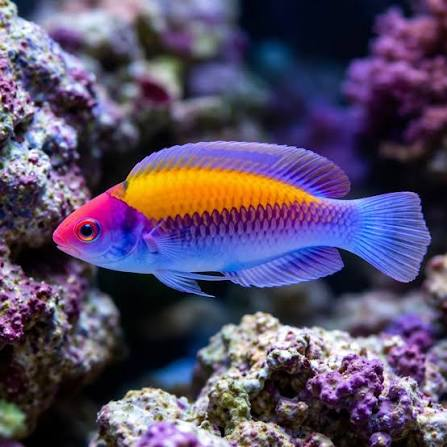
With dozens of Cirrhilabrus species in the trade, picking the right fairy wrasse comes down to matching color, temperament, and tank size to what you actually keep
Fairy wrasses are the fish that make a reef tank feel alive. They spend their day cruising the mid-water column, flashing color, and interacting with each other in ways that make even a simple fish-only display worth watching. The problem is choice. With so many species available in the Wrasses Reefsafe collection, picking the right one for your specific tank can feel overwhelming.
This guide breaks down the most popular fairy wrasse species available, what each one actually needs, and how to figure out which fits your setup best.
What Makes Fairy Wrasses Such a Popular Genus
Every species in the Cirrhilabrus genus shares a few traits that explain their popularity. They are mid-water planktivores, meaning they spend their day swimming in open space rather than digging through sand or hiding in rock. They are almost universally reef safe, ignoring corals and invertebrates entirely in favor of hunting zooplankton. And nearly every species displays some form of sequential hermaphroditism, starting life as a female and with the potential to become male if no dominant male is present in the group.
That last trait matters for stocking. Most fairy wrasses do best as a single male with one or more females, since two males of the same or a closely related species in a smaller tank often leads to ongoing aggression.
Fairy Wrasse Care Basics Before You Choose a Species
Regardless of which species you pick, a few requirements stay constant across the genus. A secure, gap-free lid is mandatory, since fairy wrasses are enthusiastic jumpers, especially in their first weeks in a new tank. Open swimming space combined with structured rockwork offering caves and overhangs lets a male patrol and display naturally while still having somewhere secure to retreat. Diet is straightforward across the group: enriched frozen mysis and brine shrimp, high-quality pellets, and occasional live copepods during acclimation.
Best Fairy Wrasse Species for Reef Tanks
Lineatus Fairy Wrasse — Best Showpiece for a Large Tank
The Lineatus Fairy Wrasse is about as showy as this genus gets, with a deep purple-violet body crossed by bold red stripes that intensify during display. It needs room to work with, ideally 90 gallons or more, but rewards that space with some of the most dramatic coloration available in a fairy wrasse. Available as a standard male, female, or a deeper-colored super male.
Splendid Pintail Fairy Wrasse Best for an Elegant, Distinctive Silhouette
Few fairy wrasses are as instantly recognizable as the Splendid Pintail Fairy Wrasse. Its elongated tail and purple, red, and yellow coloration set it apart from every other species on this list. It is less commonly available and priced accordingly, making it a good pick for keepers who want a genuinely uncommon centerpiece rather than the most popular option in the store.
Red Head Solon Fairy Wrasse — Best Bold Color Contrast
The Red Head Solon Fairy Wrasse pairs a vivid red head with a blue-green body and yellow accents, giving it one of the strongest color contrasts in the genus. It has a reputation for occasional assertiveness toward other Cirrhilabrus species, so plan its tankmates with that in mind rather than assuming it will behave as peacefully as the more docile species on this list.
Golden Rhomboidalis Wrasse — Best for a First-Time Fairy Wrasse Keeper
If this is your first fairy wrasse, the Golden Rhomboidalis Wrasse is a sensible starting point. Its golden-yellow body with blue-green facial markings is genuinely striking; it is disease-resistant once established, and it is priced more affordably than many of the rarer species covered here.
Orange-Back Fairy Wrasse — Best Budget-Friendly Option
The Orange-Back Fairy Wrasse delivers vivid orange-and-blue coloration at one of the more accessible price points in the genus. It is hardy, readily available, and a strong choice for stocking a mixed-wrasse display without spending centerpiece-level money on every fish.
Pink Margin Fairy Wrasse — Best for a Calm, Understated Look
Not every reef needs its brightest possible fish in every slot. The Pink Margin Fairy Wrasse offers a softer blue-green body with pink-edged fins, a good option for keepers who want a peaceful, subtly colored fish that will not compete visually with a bolder centerpiece species elsewhere in the tank.
Blue Throat and Blue Sided Fairy Wrasse — Best for Adding Variety to a Multi-Wrasse Display
Keepers building out a tank with several fairy wrasses often reach for the Blue Throat Fairy Wrasse, with its vivid blue face against a red-orange body, or the Blue Sided Fairy Wrasse, whose blue flanks and maroon coloration vary noticeably depending on collection location. Both add distinct color patterns without overlapping visually with red- or orange-dominant species like the Red Head Solon or Orange-Back.
Matching Fairy Wrasse Temperament to Your Stocking List
Most fairy wrasses coexist peacefully with unrelated species, but conflict becomes likely when two similarly colored or closely related Cirrhilabrus males share a tank that is too small for both to establish separate territory. As a general rule, stick to one male per species unless the tank is 100 gallons or larger, and always add fairy wrasses before more territorial or aggressive fish so they have a chance to settle in first.
Before finalizing any combination, run it against The Complete Saltwater Fish Compatibility Guide to avoid pairing two fish that are more likely to clash than complement each other.
Feeding All Fairy Wrasse Species
Across the genus, fairy wrasses are carnivorous planktivores with fast metabolisms that need consistent feeding throughout the day. A rotation of enriched frozen mysis shrimp, brine shrimp, copepods, and high-quality pellets covers nutritional needs for nearly every species covered here. Newly introduced fish often benefit from a few days of live baby brine shrimp or copepods to ease the transition before settling into a prepared-food routine.
Sourcing Healthy, Quarantined Fairy Wrasses
The single biggest factor in fairy wrasse survival has nothing to do with species selection and everything to do with what happens before the fish reaches your tank. A specimen that has been observed, treated preventatively, and confirmed feeding on prepared foods during quarantine arrives with a real head start compared to one shipped straight from collection.
What Actually Happens During Fish Quarantine? Walks through that process in detail, and How to Build a Disease-Free Reef Aquarium From Day One explains why skipping it puts every other fish in your display at risk, not just the new arrival.
Once the fish is in hand, a slow, careful introduction finishes the job. Follow the Acclimation Guide for the drip acclimation steps that prevent shipping stress from undoing weeks of proper quarantine.
Which Fairy Wrasse Should You Choose?
Start with your tank size and your stocking goals rather than the flashiest photo you can find. A large display built around a single centerpiece favors a Lineatus or Splendid Pintail. A first fairy wrasse or a budget-conscious build points toward a Golden Rhomboidalis or Orange-Back. A multi-species display benefits from mixing color families, like a Blue Throat alongside a Pink Margin, so no two fish compete for the same visual space. Whichever species you land on, a properly quarantined specimen and a patient acclimation process will do more for its long-term success than almost any other decision you make.