
Cubicus Boxfish
$99.99
Ostracion cubicus
| Care Level | Intermediate to Advanced |
| Temperament | Peaceful and shy |
| Color Form | Juveniles bright yellow with black polka dots; adults golden-yellow with blue-gray reticulated/honeycomb pattern |
| Diet | Omnivore |
| Reef Compatible | Not reef-safe |
| Water Conditions | SG 1.024–1.026, 72–76°F, pH 8.1–8.4 |
| Max Size | 14“ |
| Family | Ostraciidae |
| Minimum Tank Size | 125 gallons |
Description
Cubicus Boxfish
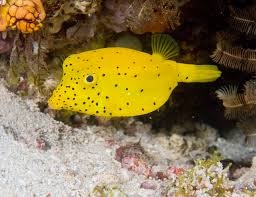
Also known as the Yellow Boxfish or Polka-Dot Boxfish
The Cubicus Boxfish is one of the most charming and distinctive marine fish available to aquarists, instantly recognizable by its box-shaped body and striking color transformation from juvenile to adult. Native to the Indo-Pacific region, including reefs from the Red Sea to Hawaii and Australia, this endearing species swims with an adorable hovering motion using primarily its pectoral and tail fins. Juveniles display bright yellow bodies covered with black polka dots, while adults develop a dramatic yellow and blue reticulated pattern. While their unusual appearance and gentle personality make them highly desirable, boxfish require specialized care and experienced aquarists due to their sensitive nature and ability to release toxins when severely stressed. Their quirky swimming style and interactive personality make them captivating additions to appropriate systems.
Key Features
Scientific Name: Ostracion cubicus
Common Names: Cubicus Boxfish, Yellow Boxfish, Polka-Dot Boxfish (juvenile), Cube Boxfish
Adult Size: 12–18 inches (30–45 cm); typically 10–14 inches in aquariums
Lifespan: 5–10+ years with proper care
Temperament: Peaceful and shy; non-aggressive toward tankmates
Reef Compatibility: Not reef-safe – may nip at corals, especially SPS corals and soft coral polyps
Minimum Tank Size: 125 gallons minimum (180+ gallons strongly recommended for adults)
Experience Level: Intermediate to Advanced – sensitive and requires pristine water quality
Habitat & Tank Requirements
Natural Habitat: Found in protected lagoons, reef flats, sandy areas adjacent to coral reefs, and rubble zones at depths of 3–150 feet. Juveniles often hide among coral branches and rubble for protection, while adults patrol open sandy areas and reef edges, often solitary in nature.
Tank Environment:
- Spacious open swimming areas essential
- Smooth decorations without sharp edges or points (boxfish have delicate, scaleless skin)
- Sandy substrate preferred or bare bottom acceptable
- Some live rock for visual security but maintain open swimming space
- Minimal aggressive water flow (poor swimmers in strong currents)
- Peaceful environment completely free from aggressive or harassing tankmates
- Very stable, mature aquarium (6+ months established absolutely required)
- Avoid overcrowding; boxfish stress extremely easily
- No sharp objects or equipment that could injure delicate skin
Water Parameters:
- Temperature: 72–78°F (22–26°C)
- Salinity: 1.023–1.025 specific gravity
- pH: 8.1–8.4
- Ammonia/Nitrite: 0 ppm (absolutely critical – boxfish highly sensitive)
- Nitrate: <10 ppm (boxfish extremely sensitive; lower essential)
- Alkalinity: 8–12 dKH
Essential Equipment:
- Oversized protein skimmer rated for 1.5–2x tank volume minimum
- Excellent mechanical and biological filtration
- UV sterilizer strongly recommended for disease prevention
- High-quality activated carbon filtration (replace bi-weekly minimum)
- Very frequent water changes (15–20% weekly absolute minimum)
- Stable, reliable temperature control
- Low-flow return outlets positioned away from main swimming areas
- Powerhead guards to prevent accidental injury
Diet & Feeding
Cubicus Boxfish are omnivores with hearty appetites once established, requiring a varied diet for optimal health, color, and longevity.
Recommended Foods:
- Frozen Foods: Mysis shrimp, enriched brine shrimp, finely chopped clams, squid, krill, chopped scallops (primary diet)
- Fresh Foods: Fresh chopped seafood, fresh clam, occasional pieces of fish, chopped shrimp
- Plant Matter: Nori sheets, spirulina flakes, marine algae (important component – 30% of diet)
- Pellets/Flakes: High-quality marine omnivore pellets, spirulina-based formulas (supplementary)
- Live Foods: Live brine shrimp, live black worms (occasional treats, especially for new arrivals)
- Enrichment: Vitamin-soaked foods, omega-3 enriched preparations, garlic-enriched foods for immune support
Feeding Schedule:
- Feed 2–3 times daily in small portions
- Offer substantial variety daily to prevent nutritional deficiencies
- May be slow, deliberate eaters; ensure adequate feeding time
- Target feeding often necessary in community tanks with aggressive eaters
- Include vegetable matter (nori, spirulina) at least once daily
- May initially refuse food for 2–5 days after introduction (normal but monitor closely)
Behavior & Compatibility
Temperament:
- Extremely peaceful, gentle, and non-aggressive
- Shy and easily intimidated by boisterous or aggressive fish
- Curious and remarkably interactive with owners once comfortable
- Swims with distinctive hovering, helicopter-like motion
- May hide initially but becomes increasingly bold and personable
- Zero aggression toward any tankmates
- Often follows owner around tank begging for food
Tank Mates:
- Compatible with: Other peaceful species including tangs, rabbitfish, dartfish, firefish, gobies, peaceful wrasses, anthias, fairy wrasses, chromis, cardinalfish, peaceful angelfish, butterflyfish
- Caution with: Fast, aggressive eaters that may outcompete for food; moderately territorial species; any fin-nipping species
- Avoid: Aggressive triggers, large puffers (may attack boxfish), aggressive dottybacks, large groupers, lionfish, eels, aggressive damselfish, any species that may harass, nip fins, or stress boxfish
Social Behavior:
- Best kept as single specimens
- Multiple boxfish will fight; territorial toward conspecifics
- Non-territorial toward other species
- Becomes remarkably tame and personable over time
- May follow owner’s movements outside tank
- Can be trained to recognize feeding time and even hand-feed (with extreme caution)
Reef Compatibility:
- Not reef-safe: Will nip at soft corals, zoanthids, button polyps, and SPS coral polyps
- May consume small ornamental shrimp
- Generally leaves large shrimp (Cleaner, Peppermint) and most invertebrates alone
- Best suited for fish-only with live rock (FOWLR) systems
- Can potentially work in tanks with hardy LPS and leather corals (with risk of nipping)
Acclimation & Care Tips
Initial Acclimation:
- Float bag for temperature equalization (20–30 minutes)
- Keep lights completely dim or off for first 24–48 hours
- Minimize all stress, sudden movements, and vibrations near tank
- May not eat for 2–5 days after introduction (monitor but usually normal)
- Have live foods available to encourage initial feeding if necessary
- Never rush acclimation process
Signs of a Healthy Specimen:
- Active, smooth swimming with characteristic helicopter-like hovering motion
- Clear, bright, alert eyes with no cloudiness
- Vibrant coloration (yellow with spots in juveniles; yellow with blue reticulation in adults)
- Curious, interactive, aware behavior
- Well-rounded, full body (not pinched, sunken, or emaciated)
- Smooth, intact skin with no lesions, spots, cloudiness, or excess mucus
- All fins intact, undamaged, and held naturally
- Eager, enthusiastic feeding response once acclimated
Color & Development
Coloration Characteristics:
Juveniles (1–4 inches):
- Brilliant bright yellow to lemon-yellow body
- Numerous black polka dots covering entire body and fins
- Approximately 15–25 distinct black spots
- Perfect cube-shaped body clearly defined
- Adorable, endearing appearance
Sub-adults (5–8 inches):
- Yellow base color begins showing blue-gray markings
- Black spots gradually fade and disappear
- Blue-gray honeycomb or reticulated pattern develops
- Cube shape becomes slightly more rounded
- Transitional coloration can be quite attractive
Adults (9+ inches):
- Base color ranges from golden-yellow to bright yellow
- Prominent blue-gray to blue-purple honeycomb reticulated pattern on sides
- Some individuals retain very faint spotting
- Pattern more pronounced in males
- Body distinctly more rounded than juvenile cube shape
- Still recognizable as boxfish but less “boxy”
Color Intensity:
- High-quality varied diet maintains bright yellow base coloration
- Carotenoid-rich and color-enhancing foods boost yellow pigmentation
- Blue pattern enhanced by foods containing spirulina and astaxanthin
- Stress or poor water quality causes dramatic, rapid color fading
- Proper water quality and peaceful environment essential for best coloration
- Lighting has moderate effect; water quality and diet more important
Size & Growth:
- Juveniles typically available at 2–4 inches (polka-dot stage)
- Moderate growth rate: 2–3 inches annually when well-fed
- Reach 8–10 inches within 2–3 years in aquariums
- Growth rate slows significantly after reaching 10 inches
- Maximum size in captivity typically 12–14 inches (rare to see 18-inch specimens)
- Body shape gradually transitions from cube to more rounded form
Swimming Behavior & Unique Characteristics
Distinctive Movement:
- Swims using rapid pectoral fin movements creating adorable hovering effect
- Body remains completely rigid while swimming (cannot flex spine like typical fish)
- Tail (caudal) and dorsal fins used primarily for steering and stability
- Slow, deliberate, methodical movements rather than quick darting
- Poor swimmers in strong currents due to rigid body and inefficient propulsion
- May “rest” on substrate or decorations periodically
- Endearing, comical swimming style captivates all observers
Body Structure:
- Rigid bony carapace (plates fused together) provides protection but limits mobility
- Small mouth limits prey size and feeding speed
- Scaleless skin is extremely delicate and easily damaged
- Large, protruding eyes provide excellent 360-degree vision
- Box/cube shape makes them hydrodynamically inefficient
- Vulnerable to faster predators in wild; relies on toxin as defense
Why Choose a Quarantined Cubicus Boxfish?
A properly quarantined Cubicus Boxfish is a healthier, significantly less stressed specimen that has been carefully prepared for aquarium life. Our quarantine protocol includes extended health observation (4–6 weeks minimum) in optimal pristine water conditions, copper-free preventative parasite treatment to eliminate ich, velvet, and other parasites, comprehensive dietary conditioning to ensure acceptance of varied frozen, fresh, and prepared foods, extensive stress reduction through gradual acclimation to aquarium environment and human presence, behavioral assessment to ensure normal swimming, feeding, and interactive patterns, and water quality conditioning to match destination aquarium parameters.
This provides you with absolute confidence that your boxfish has been professionally collected, decompressed properly, meticulously evaluated, and thoroughly prepared for long-term success. Cubicus Boxfish represent a unique challenge and extraordinary reward for intermediate to advanced aquarists—combining adorable appearance, endearing helicopter-swimming motion, remarkably interactive personality, and fascinating color transformation in a species that demands respect, pristine water quality, peaceful tankmates, and unwavering commitment to their specialized care requirements. When properly maintained in appropriate systems, these charming fish become beloved, personable aquatic pets that will bring years of joy and entertainment to dedicated aquarists willing to meet their exacting needs.
Additional information
| Service Level | Quarantined |
|---|
Reviews (0)
You must be logged in to post a review.
Shipping & Delivery
Reviews
There are no reviews yet.