
What Makes a Fish Truly Reef Safe?

What Makes a Fish Truly Reef Safe?
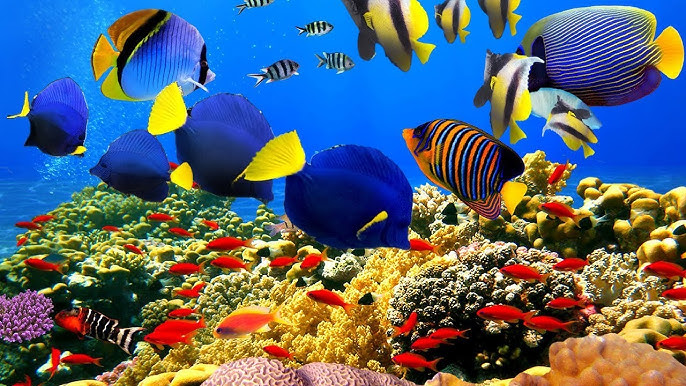
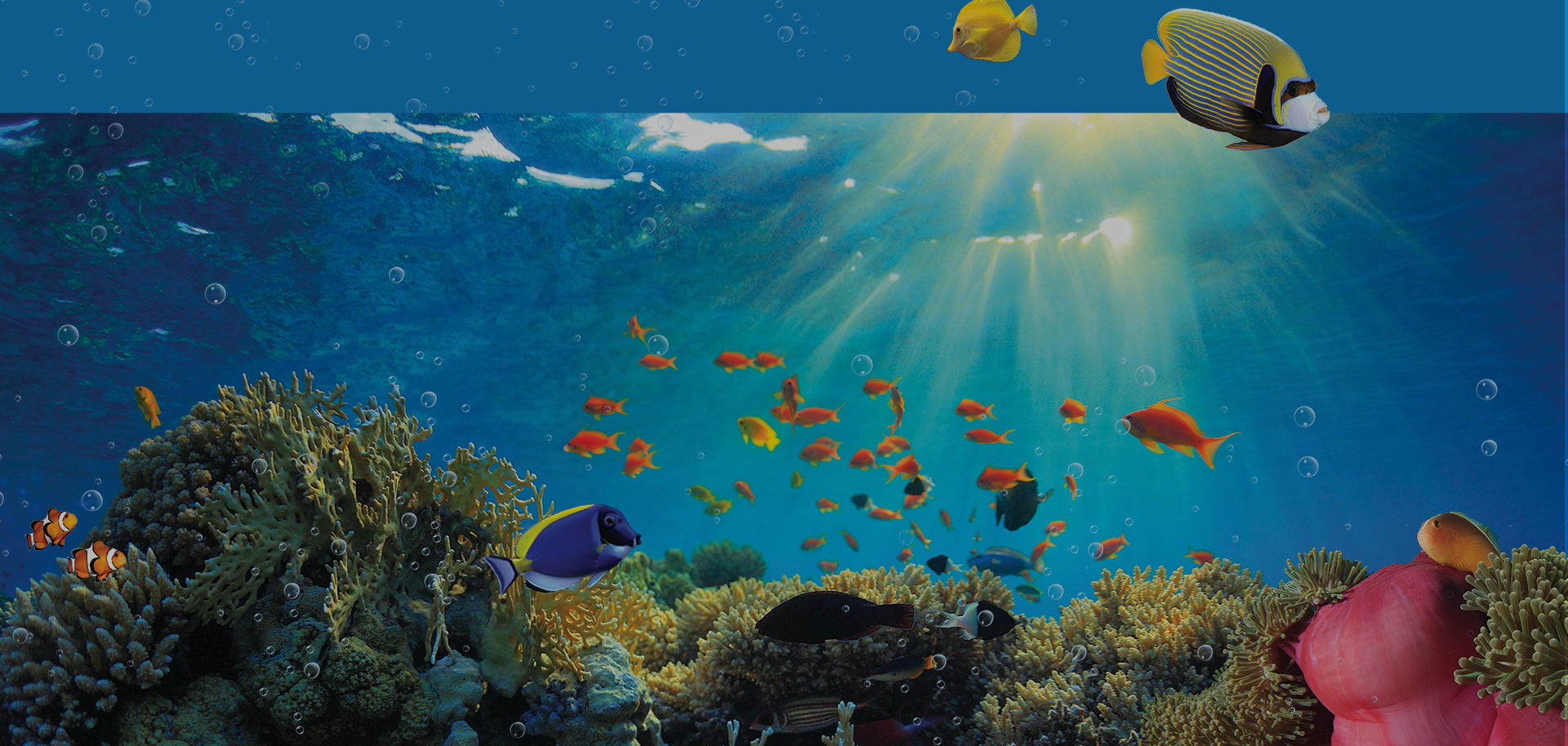
Walk through any fish store or scroll through any online shop and you’ll see the phrase “reef safe” attached to dozens of species. It sounds like a guarantee, but it isn’t one. Reef safe is more of a spectrum than a fixed rule, and understanding where a fish actually falls on that spectrum can save your corals, your clams, and your invertebrates from becoming an expensive snack.
The Real Definition of Reef Safe
A fish labeled reef safe is one that, under normal circumstances, won’t eat or damage the corals and invertebrates in your tank. Notice the phrase “under normal circumstances.” No fish comes with a written promise. Behavior can shift based on hunger, tank size, individual personality, and even boredom. A fish that ignored your zoas for two years might suddenly start picking at them once it grows large enough or simply gets curious.
Why No Fish Is 100% Guaranteed Safe
Even classic reef-safe picks like tangs and clownfish have documented exceptions. An adult tang might nip at soft corals occasionally, and a territorial clownfish pair may host in an anemone a little too aggressively for the anemone’s own good. The goal isn’t to find a fish with zero risk. It’s to find species where the risk is low enough that most hobbyists never run into a problem.
Categories of Reef Compatibility
Fully Reef Safe
These fish rarely bother anything in a reef tank. Most gobies, many small wrasses, and captive-bred clownfish fall into this group. Our reef safe wrasses category is a good place to browse if you want species with a strong track record around coral and invertebrates.
Reef Safe With Caution
This is the largest and most misunderstood category. Fish here are generally fine but come with a catch. Some angelfish will nip at large polyp stony corals as they mature. Some butterflyfish will pick at coral tissue if their diet isn’t varied enough. A Copperband Butterflyfish, priced around $149.99 to $189.99, is actually valued for eating aiptasia anemones, but the same instinct that makes it useful can occasionally extend to other polyps if it isn’t well fed.
Not Reef Safe
Fish in this group have diets that make coexistence with corals nearly impossible. Most large angelfish, many triggerfish, and puffers fall here. These fish aren’t bad choices; they just belong in fish-only systems rather than a reef display.
How Tank Size and Diet Change the Equation
A hungry fish in an understocked tank behaves differently than a well-fed fish in a tank with plenty of natural grazing. Keeping fish properly fed with a varied diet reduces the chance that a borderline species starts sampling your coral. Overcrowding a small tank can also push naturally peaceful fish toward more opportunistic feeding, since competition for food increases stress.
Building a Reef Safe Stocking List
Start with fish that have the strongest reputations before adding anything borderline. An Ocellaris Clownfish, ranging from $29.99 to $49.99 depending on size, is one of the safest and most reliable choices for a beginner reef tank. A Midas Blenny at $99.99 adds color and movement without putting your corals at risk. If you want something a bit more active, an Orange-Back Fairy Wrasse at $119.99 stays reef safe while adding constant motion to the upper water column.
Before adding any new fish, running it through a proper quarantine protocol matters just as much as checking its reef safe rating. A stressed or unhealthy fish is far more likely to behave unpredictably once it’s added to your display tank.
Trust the Track Record, Not Just the Label
Reef safe labeling is a helpful starting point, not a final answer. Read up on individual species, ask questions before buying, and lean on real feedback from other hobbyists rather than a single tag on a product page. If you’re building out a stocking plan, our saltwater fish selection includes notes on temperament for most species, and pairing that with our acclimation guide gives every new addition the smoothest possible start.
At the end of the day, reef safe isn’t about finding a fish that’s guaranteed to behave. It’s about stacking the odds in your favor through good research, healthy feeding, and a little patience while you watch how each new fish settles in.