
Tangs for Sale: Types, Prices, Care Guide and Best Species for Reef Tanks

Tangs for Sale: Types, Prices, Care Guide and Best Species for Reef Tanks
Tangs are the bold, active, color-packed fish that make reef tanks look absolutely alive. They patrol every corner of the tank. They add movement, drama, and natural reef energy that almost no other fish can match.
But tangs also have a reputation for being tricky. Are they really that difficult? Which species work best for beginners? And where do you buy a tang that is actually healthy?
Let us answer all of it.
What Makes Tangs Special
Tangs, also called surgeonfish, are named for the sharp, scalpel-like spines near their tail. In the wild, they live on coral reefs and spend most of their day grazing on algae growing on rocks and coral surfaces.
In a home reef tank, they behave the same way. They swim constantly, graze on the rock work, and keep your tank looking naturally active. A single tang can transform a quiet tank into something that looks genuinely alive.
They are also one of the few fish that actively help control nuisance algae. Many reef keepers add a tang specifically for algae management. It is one of the hardest working and most beautiful fish you can own.
Best Tang Species for Reef Tanks
This is the most popular tang in the hobby. It is bright sunshine yellow from nose to tail with a white spine near the tail. Yellow tangs are hardy, reef safe, and do well in tanks 75 gallons and larger. They graze on algae constantly and accept most prepared foods.
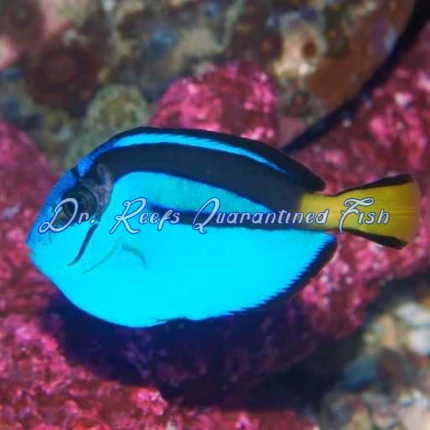
This is the fish from Finding Dory. It is vivid blue with black markings and a yellow tail. Blue hippo tangs are stunning but slightly more sensitive than yellow tangs. They are prone to marine ich, which makes buying a properly quarantined specimen especially important. Tank size of 100 gallons or more is recommended for long-term health.
The kole tang is a deep brown fish covered in tiny blue and orange spots that glow under reef lighting. It is one of the best algae eaters in the hobby. It is also slightly more compact than other tangs, making it a better fit for tanks in the 55 to 75 gallon range.
One of the most striking fish in the hobby. Deep purple body with a bright yellow tail. Purple tangs are hardy and active but can be aggressive toward other tangs. Keep only one tang per tank unless your system is very large.
The scopas tang is often overlooked because it is not as flashy as the yellow or purple tang. But it is hardy, peaceful, and one of the best algae eaters available. It is also more affordable than many other tang species.
Tang Care Basics
Tangs need swimming space. A 75-gallon tank is the minimum for most species. Larger is always better.
They need algae in their diet. Nori seaweed on a clip is a fantastic supplement. They also accept pellets and frozen foods.
Keep only one tang per tank unless your tank is over 150 gallons. Tangs are peaceful toward other fish but can be very aggressive toward other tangs.
And here is the most important tang care tip of all. Buy a quarantined tang.
Blue hippo tangs especially are highly susceptible to marine ich. A blue hippo tang purchased without proper quarantine is one of the riskiest fish you can add to a display tank. One infected fish can introduce ich to your entire system.
Dr. Reef’s Quarantined Fish quarantines every tang for a minimum of 30 days before shipping. That means no hidden parasites. No mystery diseases. Just a healthy, eating tang ready for your reef.
Tang Prices
Yellow tangs typically range from 199.99 – 499.99 dollars depending on size. Blue hippo tangs range from 109.99 – 126.99 dollars. Purple tangs are often priced at 299.99 – 344.99 dollars. Kole tangs at 149.99 – 172.99 and scopas tangs are usually 89.99 – 103.99 dollars. 44 varieties of tangs are available on Dr. Reef’s Quarantined Fish.
Questions and Answers
Q: Can I keep two tangs together?
A: Only in very large tanks over 150 gallons, and ideally species that look completely different from each other. Tangs recognize similar body shapes as competitors and will fight.
Q: Why do tangs get ich so easily?
A: Tangs have thinner skin than many marine fish, which makes them more vulnerable to the ich parasite. Stress is the number one trigger. A properly quarantined, healthy tang in a stable tank is far less likely to break out with ich.
Q: What size tank do I need for a tang?
A: 75 gallons minimum for most species. Blue hippo tangs ideally need 100 gallons or more.
Get Your Tang From a Source You Can Trust
Tangs are worth every penny when they arrive healthy and stay healthy. That starts with buying from Dr. Reef’s Quarantined Fish.
Visit Dr. Reef’s Quarantined Fish today and find the perfect tang for your reef tank.