
Yellowtail Tamarin Wrasse
Price range: $119.99 through $159.99
Anampses meleagrides
| Care Level | Intermediate |
| Temperament | Peaceful to semi-aggressive |
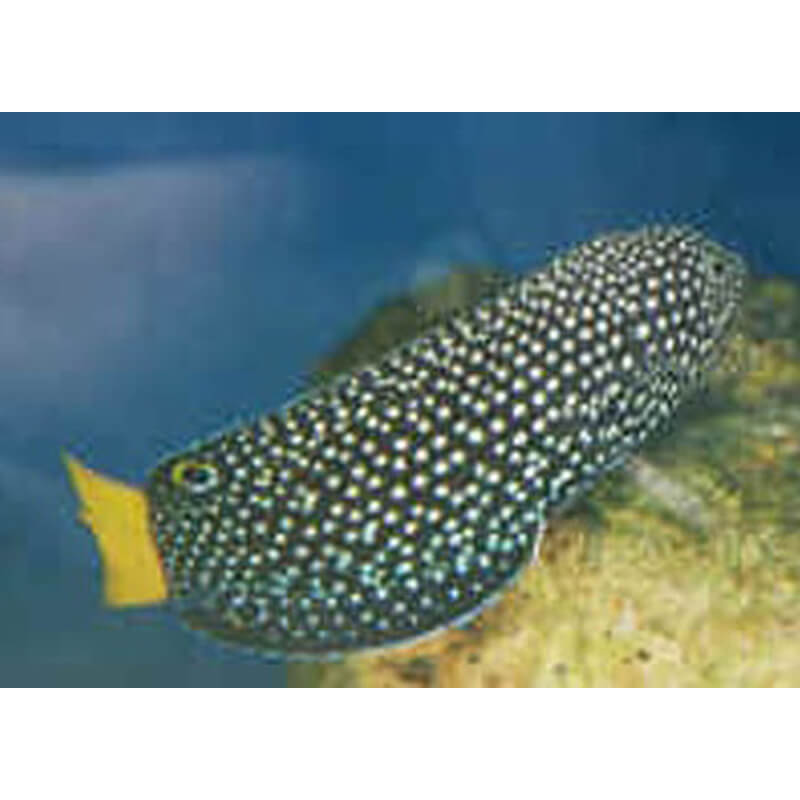
| Color Form | Electric blue-green head and anterior body, bright orange-yellow from mid-body to tail |
| Diet | Carnivore |
| Reef Compatible | Reef safe with caution |
| Water Conditions | sg 1.020–1.025, 72–78°F, pH 8.1–8.4 |
| Max Size | 8“ |
| Family | Labridae |
| Minimum Tank Size | 75 gallons |
Yellowtail Tamarin Wrasse
Also known as: Yellowtail Coris, Golden Rainbowfish, Yellowtail Wrasse
The Yellowtail Tamarin Wrasse is a spectacular, vibrant wrasse featuring an electric blue-green head and body with bright orange-yellow coloration from mid-body to tail, creating a stunning two-toned appearance. These are active, personable fish that add both beauty and entertainment to reef or fish-only systems. Unlike many wrasses, they remain relatively peaceful and are generally reef-safe, making them excellent choices for mixed community tanks. Their hardy nature, excellent appetite, and striking coloration make them popular with intermediate to advanced aquarists.
Key Features
- Scientific Name: Anampses meleagrides
- Common Names: Yellowtail Tamarin Wrasse, Yellowtail Coris, Golden Rainbowfish
- Adult Size: 6-8 inches (moderate-sized wrasse)
- Lifespan: 10-15+ years with proper care
- Temperament: Peaceful to semi-aggressive; generally community-friendly
- Reef Compatibility: Generally reef safe with caution (may eat small ornamental shrimp)
- Minimum Tank Size: 75 gallons minimum; 90+ gallons recommended
- Experience Level: Intermediate; hardy and adaptable
Habitat & Tank Requirements
Tank Environment: Moderate to large reef or fish-only system with plenty of rockwork for exploration and hunting. Provide caves and overhangs for security. Deep sand bed (3-4 inches) essential for natural burying behavior. Moderate to strong water flow appreciated. Secure all rockwork as they may occasionally flip smaller rocks while hunting. Open swimming space important for active swimming behavior.
Water Parameters:
- Temperature: 72-78°F (22-26°C)
- Salinity: 1.020-1.025
- pH: 8.1-8.4
- Ammonia/Nitrite: 0 ppm
- Nitrate: <20 ppm
- Stable water quality important for long-term health
Equipment Recommendations:
- Quality filtration appropriate for moderate bioload
- Protein skimmer recommended
- Moderate to strong water circulation (8-10x tank volume per hour)
- Secure, tight-fitting lid (can jump when startled)
- Deep sand substrate (3-4 inches minimum)
- Well-established live rock with hiding spaces
Diet & Feeding
Yellowtail Tamarin Wrasses are carnivores with excellent appetites and broad dietary acceptance.
Recommended foods include:
- Primary: Frozen mysis shrimp, frozen brine shrimp, frozen krill
- Variety: Chopped seafood, chopped clams, marine flesh, frozen preparations
- Beneficial: Small pieces of unshelled shrimp, chopped squid, finely chopped scallops
- Supplements: Vitamin-enriched frozen foods, occasional hard-shelled foods
- Live foods: Will accept live brine shrimp or live black worms (not necessary but enjoyed)
Feeding Frequency: 1-2 times daily
Special Notes: Excellent appetite from day one in most cases. Will actively hunt for microfauna in live rock. May consume very small ornamental shrimp (peppermint shrimp, sexy shrimp) but typically ignores larger cleaner shrimp. Hardy and adaptable to various food types.
Social Structure & Compatibility
Temperament: Peaceful to semi-aggressive; generally well-behaved in communities
Ideal Tankmates:
- Most peaceful to semi-aggressive fish
- Tangs and surgeonfish
- Angelfish (dwarf and medium-sized)
- Clownfish and damselfish
- Gobies and blennies
- Dottybacks and basslets
- Other peaceful wrasses (with adequate space)
- Larger peaceful invertebrates
Caution With:
- Very small ornamental shrimp (may be eaten)
- Tiny gobies or very small peaceful fish (occasional aggression)
- Multiple wrasses in smaller tanks (may show territorial behavior)
Generally Compatible With:
- Most coral species (reef safe)
- Larger cleaner shrimp (typically ignored)
- Larger hermit crabs and snails
- Most anemones
Reef Safety: GENERALLY REEF SAFE WITH CAUTION
- Safe with all corals (will not harm coral colonies)
- May consume very small ornamental shrimp
- Safe with larger cleaner shrimp (skunk, fire, blood shrimp)
- Safe with hermit crabs, most snails, and larger invertebrates
- Will hunt microfauna and amphipods in rockwork
- Suitable for most reef systems with appropriate invertebrate selection
Notes & Considerations
Spectacular coloration:
- Electric blue-green head and anterior body
- Bright orange-yellow from mid-body through tail
- Vivid yellow tail fin creates striking contrast
- Colors intensify with age and optimal nutrition
- One of the most beautiful two-toned wrasses available
Active and entertaining:
- Constantly in motion exploring rockwork
- Hunts actively through live rock for microfauna
- Swims throughout all levels of the tank
- Personable and interactive with owners
- Will recognize feeding times and approach glass
Sand-burying behavior:
- Buries in sand at night (normal and healthy behavior)
- May disappear when lights go out—this is natural
- Will emerge promptly at feeding time
- Deep sand bed (3-4 inches) essential for this behavior
- May bury when startled or during acclimation
Moderate size:
- Reaches 6-8 inches at maturity
- Size is manageable for most home aquariums
- Not a large, aggressive wrasse like some Coris species
- Appropriate for 75-90+ gallon systems long-term
Peaceful temperament:
- Generally well-behaved in community settings
- May show minor territorial behavior toward similar wrasses
- Typically peaceful toward most tankmates
- Can be housed with peaceful fish and some invertebrates
- Less aggressive than many wrasse species
Jumping ability:
- Can jump when startled or during acclimation
- Secure, tight-fitting lid recommended (though less prone to jumping than some wrasses)
- Most jumping occurs during initial acclimation period
- Established specimens rarely jump
Hardy and adaptable:
- Very disease-resistant once established
- Adapts quickly to aquarium life
- Excellent appetite; readily accepts prepared foods
- Tolerates a range of water parameters
- Good choice for intermediate aquarists
Hunting behavior:
- Actively hunts microfauna in live rock
- May flip small rocks occasionally while foraging
- Helps control bristleworm populations naturally
- Will consume pyramidellid snails (clam pests)
- Generally beneficial for reef tank cleanup
Compatibility notes:
- Best as only wrasse in tanks under 100 gallons
- Can be housed with other peaceful wrasse species in larger systems (125+ gallons)
- Provide one wrasse per 75+ gallons of space
- May show aggression if multiple wrasses compete for territory
Acclimation:
- May hide for first 24-72 hours (normal)
- Usually emerges readily for food after settling
- Acclimate slowly to avoid stress-induced jumping
- Provide low lighting initially to reduce stress
Longevity:
- Can live 10-15+ years with proper care
- Long-term commitment fish
- Remains colorful and active throughout life
- Colors may intensify with age
Native habitat:
- Indo-Pacific coral reef regions
- Found in lagoons and reef slopes
- Typically at moderate depths (20-100 feet)
Availability & cost:
- Moderately available in aquarium trade
- Moderate pricing (mid-range for wrasses)
- Wild-caught specimens primarily
- Look for active specimens with excellent coloration
Why Choose a Quarantined Yellowtail Tamarin Wrasse?
Purchasing a quarantined specimen means starting with a healthier, well-acclimated fish that’s already feeding reliably. All fish are observed for normal behavior, treated as needed for parasites or infections, and confirmed as excellent feeders before sale. Proper quarantine is especially important for wrasses as they can carry internal parasites that may not be immediately visible. Our quarantined specimens arrive already eating prepared foods and acclimated to aquarium life, significantly improving success rates. Secure lid recommended. Provide deep sand bed for natural burying behavior.
| Service Level | Quarantined, Conditioned |
|---|
You must be logged in to post a review.
Related products
Aiptasia Eating Filefish
Price range: $99.99 through $114.99
Chalk Bass (Wild Caught)
Price range: $49.99 through $57.99
Chromis
Price range: $19.99 through $45.99
Reviews
There are no reviews yet.