
Percula Bonded Pair
$119.99
Amphiprion percula
| Care Level | Beginner to intermediate |
| Temperament | Peaceful to semi-aggressive |
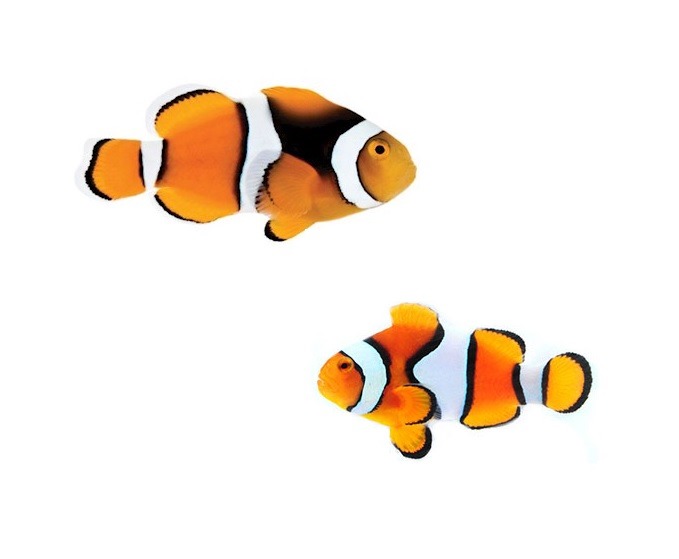
| Color Form | Bright orange body with three white bands outlined in thick black edging |
| Diet | Omnivore |
| Reef Compatible | Reef-safe |
| Water Conditions | sg 1.023–1.025, 74–80°F, pH 8.1–8.4 |
| Max Size | 4“ |
| Family | Pomacentridae |
| Minimum Tank Size | 25 gallons |
3-Day Guarantee
Approximate Purchase Size: Small: 1″ to 1.25″; Medium: 1.25″ to 1.75″; Large: 1.75″ to 2.25″
Percula Bonded Pair
Also known as the True Percula Clownfish Pair or Orange Clownfish Bonded Pair
The Percula Bonded Pair is the true classic clownfish pairing, featuring vibrant orange coloration with three distinctive white bands outlined in thick black edging, offered as an established male-female pair. This naturally occurring species is often confused with Ocellaris but features more intense coloration, thicker black banding, and a stockier build. Offering a bonded pair provides aquarists with an established social hierarchy, eliminating pairing risks while providing fascinating interactions, engaging behaviors, and excellent breeding potential. Captive-bred specimens are exceptionally robust, eagerly accept all foods, and display the authentic characteristics that made clownfish famous. Hardy, personable, and vibrant, the Percula Bonded Pair represents premium true Percula genetics with proven compatibility.
Key Features
- Scientific Name: Amphiprion percula
- Common Names: Percula Clownfish, True Percula Clownfish, Orange Clownfish, True Clownfish
- Adult Size: 3–4 inches (7.5–10 cm) for females; 2.5–3.5 inches for males
- Lifespan: 10–15+ years with proper care
- Temperament: Peaceful to semi-aggressive; territorial around host area
- Reef Compatibility: 100% reef-safe
- Minimum Tank Size: 25 gallons for a pair (40+ gallons recommended)
- Experience Level: Beginner to Advanced
Habitat & Tank Requirements
Natural Habitat: Found throughout the Western Pacific from northern Queensland to Papua New Guinea and Solomon Islands, typically in sheltered reefs and lagoons at depths of 3–50 feet. Naturally associate with Magnificent, Carpet, and other host anemones.
Tank Environment:
- Optional host anemone or suitable coral substitute for pair bonding
- Live rock structure with caves and swimming areas
- Moderate water flow with calmer zones near host areas
- Stable aquarium (2+ months established recommended)
Water Parameters:
- Temperature: 74–80°F (23–27°C)
- Salinity: 1.023–1.025 specific gravity
- pH: 8.1–8.4
- Ammonia/Nitrite: 0 ppm
- Nitrate: <20 ppm (lower preferred for breeding condition)
- Alkalinity: 8–12 dKH
Essential Equipment:
- Quality protein skimmer (for systems over 30 gallons)
- Adequate filtration system
- Standard aquarium lighting
- Regular water changes (15–20% biweekly)
Diet & Feeding
Recommended Foods:
- High-quality marine pellets and flakes
- Mysis shrimp, enriched brine shrimp, cyclops
- Spirulina flakes and nori (occasional)
- Vitamin-enriched preparations
- Virtually any quality marine fish food
Feeding Schedule:
- Feed 2–3 times daily for optimal health and breeding condition
- Offer variety for best coloration and health
- Provide sufficient food for both pair members
- Well-fed pairs are more likely to spawn
Note: Percula pairs are exceptionally eager eaters. Both fish readily accept pellets, flakes, and frozen foods from day one, making feeding effortless.
Behavior & Compatibility
Temperament:
- Generally peaceful but establish defined territory
- Bold, confident once acclimated
- Highly interactive with aquarist
- More assertive during spawning cycles
- Peaceful pairing process without significant aggression
Pair Dynamics:
- Female (Larger): Dominant, controls territory, leads pair
- Male (Smaller): Submissive, tends eggs, maintains host area
- Clear size differential with female 20–30% larger
- Display synchronized swimming and communication
- Strong pair bonds rarely break once established
- Gentle pairing behaviors typical of Percula species
Tank Mates:
- Compatible with: Virtually all peaceful to semi-aggressive community fish including gobies, dartfish, firefish, cardinalfish, basslets, wrasses, tangs, dwarf angels
- Caution with: Aggressive dottybacks, large predatory fish
- Avoid: Other clownfish species in tanks under 75 gallons
Reef Compatibility:
- 100% reef-safe; completely compatible with all coral types
- Safe with all invertebrates and clean-up crew
- May rearrange small rubble near spawning site
- Perfect for any reef aquarium configuration
Acclimation & Care Tips
Initial Acclimation:
- Drip acclimation over 60–90 minutes for pairs
- Float bag for temperature equalization (15–20 minutes)
- Dim tank lights during introduction and first 24 hours
- Add both fish simultaneously to maintain pair bond
- Very adaptable to new environments
Health Considerations:
- Captive-bred specimens exceptionally hardy and disease-resistant
- Can be susceptible to marine ich and velvet when stressed
- Quarantine 3–4 weeks recommended as best practice
- Pairs often support each other through minor stress
- Generally robust with excellent survival rates
Signs of a Healthy Bonded Pair:
- Both fish active and swimming together
- Vibrant orange coloration with thick black-edged white bands
- Clear, bright eyes with orange-red irises
- Immediate eager feeding response from both pair members
- Obvious size difference (female noticeably larger)
- Swimming in proximity; synchronized movements
- Female displays dominant posture; male shows submissive behavior
- No visible spots, lesions, or damaged fins on either fish
Color & Development
True Percula Coloration:
- Base Color: Rich, vibrant orange to deep orange body on both fish
- Bands: Three white vertical bands (head, mid-body, tail)
- Band Edging: Thick, prominent black outline around white bands (distinguishes from Ocellaris)
- Fins: Orange with bold black tips and edging
- Eyes: Bright orange-red iris
- Overall Effect: More intense, vibrant coloration than Ocellaris with bolder black edging
Distinguishing True Percula Features:
- Thicker black edging on white bands (most obvious difference)
- Shorter, stockier body shape
- 10 dorsal fin spines (Ocellaris has 11)
- More intense orange coloration
- Slightly smaller maximum size
- More restricted natural range
Color Stability:
- Vibrant coloration remains consistent throughout life
- Colors stable for 10–15+ years
- Quality diet maintains intensity
- Thick black edging remains bold with good care
- True Percula colors generally more intense than Ocellaris
Breeding Potential & Spawning Behavior
Why Bonded True Percula Pairs Are Valuable:
- Established hierarchy eliminates pairing aggression
- Already display courtship behaviors
- True Percula genetics rarer and more valuable than Ocellaris
- Both fish proven compatible and mature
- Excellent probability of successful spawning
- Authentic species genetics for breeding programs
Pre-Spawning Indicators:
- Increased territorial behavior around flat surface
- Female’s abdomen becomes fuller and rounder
- Male meticulously cleans spawning site
- Both fish display intensified coloration
- Courtship dances and synchronized swimming
- Spawning typically 1–2 weeks after preparation
Spawning Process:
- Female lays 200–500+ eggs on prepared flat surface
- Eggs are orange to reddish-brown, laid in organized rows
- Male immediately fertilizes eggs
- Male guards and fans eggs continuously for 6–10 days
- Both parents protective; male does majority of tending
- Eggs hatch at night after lights out
True Percula Genetics:
- Offspring will display true Percula characteristics
- Thick black banding passes to next generation
- Breeding maintains authentic species genetics
- True Percula valuable for pure species breeding programs
Special Considerations
True Species Authenticity: True Percula Clownfish are less common in the aquarium trade than Ocellaris. A bonded pair offers authentic species genetics with proven compatibility, making them valuable for aquarists seeking genuine Percula characteristics.
Enhanced Coloration: Percula typically display more vibrant, intense orange coloration and bolder black edging compared to Ocellaris. This makes them visually striking and highly photogenic.
Pair Bond Advantages:
- Eliminates months-long pairing process and compatibility risk
- Immediate display of natural pair behaviors and interactions
- Established hierarchy reduces territorial stress
- Both fish support each other during acclimation
- Higher spawning probability than individually purchased fish
- More engaging behaviors and dynamics to observe
Breeding Excellence: True Percula pairs spawn readily in home aquariums. Their willingness to breed and authentic species genetics make them excellent for hobbyists interested in maintaining pure Percula bloodlines.
Slightly Smaller Size: True Percula remain slightly smaller than Ocellaris, making them ideal for moderately-sized aquariums while maintaining full personality and presence.
Captive-Bred Advantages:
- Superior hardiness compared to wild-caught fish
- Already acclimated to aquarium foods and conditions
- No anemone required (never learned natural hosting behavior)
- Better survival rates and easier care
- Environmentally responsible (no wild collection impact)
Collector Appeal: True Percula genetics are valued by serious clownfish collectors and breeders. Bonded pairs with authentic thick black banding represent quality specimens.
Quarantine Essential: Despite extreme hardiness, quarantine protocols including health observation for both fish, pair compatibility confirmation, dietary conditioning, and stress reduction ensure long-term success and protect established aquariums.
Long-Term Companion Pair: With 10–15+ year lifespans, True Percula Bonded Pairs become long-term aquarium companions providing years of vibrant beauty, fascinating interactions, and potential breeding behavior.
Why Choose Dr Reefs Quarantined Percula Bonded Pair?
Quarantined specimens provide verified health for both fish, confirmed true Percula species (thick black banding verified), established pair bond and hierarchy, established feeding on all foods for both pair members, stress-free acclimation, and complete peace of mind. Pair compatibility documented through observation period. This comprehensive approach ensures your authentic Percula pair arrives in perfect condition and thrives immediately.
| Service Level | Quarantined |
|---|
You must be logged in to post a review.
Related products
Achilles Tang
Price range: $549.99 through $649.99
Astraea Snail
Price range: $29.99 through $79.99
Chalk Bass (Wild Caught)
$49.99
Midas Blenny
$99.99
Nassarius Snail Large
Price range: $19.99 through $69.99
Reviews
There are no reviews yet.