
Miniatus Grouper
Price range: $259.99 through $333.99
Cephalopholis miniata
| Care Level | High |
| Temperament | Aggressive and predatory |
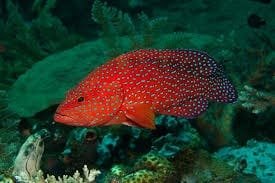
| Color Form | Brilliant orange to deep red-orange body covered with electric blue spots |
| Diet | Carnivore |
| Reef Compatible | Not reef-safe |
| Water Conditions | 74–80°F (23–27°C), 1.023–1.025 sg, pH: 8.1–8.4, 8–12 dKH |
| Max Size | 18″ |
| Family | Serranidae |
| Minimum Tank Size | 180 gallons |
Miniatus Grouper
Also known as the Coral Grouper or Coral Hind
The Miniatus Grouper is a spectacular predatory species that showcases vibrant orange-red coloration adorned with brilliant blue spots. Native to the Indo-Pacific region, from the Red Sea to Samoa, this eye-catching hunter features a robust body covered in jewel-like spotting that rivals any reef fish for visual impact. While their predatory nature and moderate size require careful planning, their stunning appearance and bold personality make them a prized specimen for experienced aquarists with appropriately sized systems.
Key Features
- Scientific Name: Cephalopholis miniata
- Common Names: Miniatus Grouper, Coral Grouper, Coral Hind, Coral Rockcod
- Adult Size: 14–18 inches (35–45 cm); commonly 12–16 inches in aquariums
- Lifespan: 12–18 years with proper care
- Temperament: Aggressive and predatory; will consume fish half their size or smaller
- Reef Compatibility: Not reef-safe – predatory toward small fish and crustaceans
- Minimum Tank Size: 180 gallons minimum (250+ gallons recommended)
- Experience Level: Intermediate to Advanced – requires predator management experience
Habitat & Tank Requirements
Natural Habitat: Found on coral reefs, lagoons, and reef slopes at depths of 3–500 feet. Typically inhabits areas with caves and crevices where they ambush prey from sheltered positions.
Tank Environment:
- Multiple caves and rocky overhangs for hiding
- Secure, stable rockwork formations
- Adequate open swimming space
- Robust filtration for high bioload
- Moderate water flow
- Secure, heavy lid required
Water Parameters:
- Temperature: 74–80°F (23–27°C)
- Salinity: 1.023–1.025 specific gravity
- pH: 8.1–8.4
- Ammonia/Nitrite: 0 ppm
- Nitrate: <30 ppm
- Alkalinity: 8–12 dKH
Diet & Feeding
Recommended Foods:
- Fresh/frozen shrimp, fish, squid, scallops (primary diet)
- Live feeder fish (quarantined only, occasional treat)
- High-quality marine carnivore pellets (once established)
- Vitamin-enriched frozen preparations
- Varied meaty foods for optimal health
Feeding Schedule:
- Feed 3–4 times weekly for adults
- Juveniles require daily feeding initially
- Fast one day weekly to maintain health
- Use feeding stick or tongs to prevent hand association
Behavior & Compatibility
Tank Mates:
- Compatible with: Large tangs (8+ inches), large angelfish, large wrasses, lionfish (similar size), large butterflies, pufferfish, triggerfish
- Caution with: Aggressive feeders that may outcompete during meals
- Avoid: All fish under 6 inches, slow-moving species, long-finned fish, ornamental shrimp, small crabs, chromis, anthias
Social Behavior:
- Best kept individually in home aquariums
- Highly territorial toward other groupers
- Ambush predator that hunts from caves
- May become hand-tame and interactive with owner
- Initially shy but becomes bold once established
Reef Compatibility: Not reef-safe; will consume ornamental fish and mobile invertebrates. Corals are generally ignored but may be knocked over.
Color & Development
Coloration: Brilliant orange to deep red-orange body completely covered with electric blue spots; spots are small, evenly distributed, and create a stunning jewel-like appearance; fins edged in electric blue; color intensity rivals any marine fish.
Color Intensity:
- High-quality diet maintains vibrant orange-red base
- Blue spots become more brilliant with maturity
- Stress causes temporary color fading
- Excellent water quality essential for optimal coloration
- Color deepens when displaying dominance or hunting
Size & Growth:
- Juveniles typically available at 3–5 inches
- Moderate growth rate: 2–4 inches annually
- Reach 10–14 inches within 3–4 years
- Growth slows after reaching 12 inches
Why Choose a Quarantined Miniatus Grouper?
Our quarantine protocol includes 4–6 weeks minimum observation, preventative parasite treatment, dietary conditioning to accept frozen foods, temperament evaluation, and health certification. These magnificent predators combine manageable size with absolutely breathtaking coloration, making them one of the most visually stunning groupers available. Perfect for experienced aquarists seeking a bold, colorful centerpiece that rivals any reef fish for beauty while bringing predatory excitement to large fish-only systems.
| Service Level | Quarantined |
|---|---|
| Size | Medium, Large |
| Extended Guarantee | 3 days (Included), 7 days, 14 days |
You must be logged in to post a review.
Related products
Astraea Snail
Price range: $29.99 through $79.99
Cerith Snail
Price range: $14.99 through $69.99
Chalk Bass (Wild Caught)
Price range: $49.99 through $57.99
Flame Hawkfish
Price range: $99.99 through $114.99
Moorish Idol
$179.99
Reviews
There are no reviews yet.