
French Angelfish (Juvenile)
Price range: $249.99 through $287.99
Pomacanthus paru
| Care Level | Moderate to High |
| Temperament | Semi-aggressive |
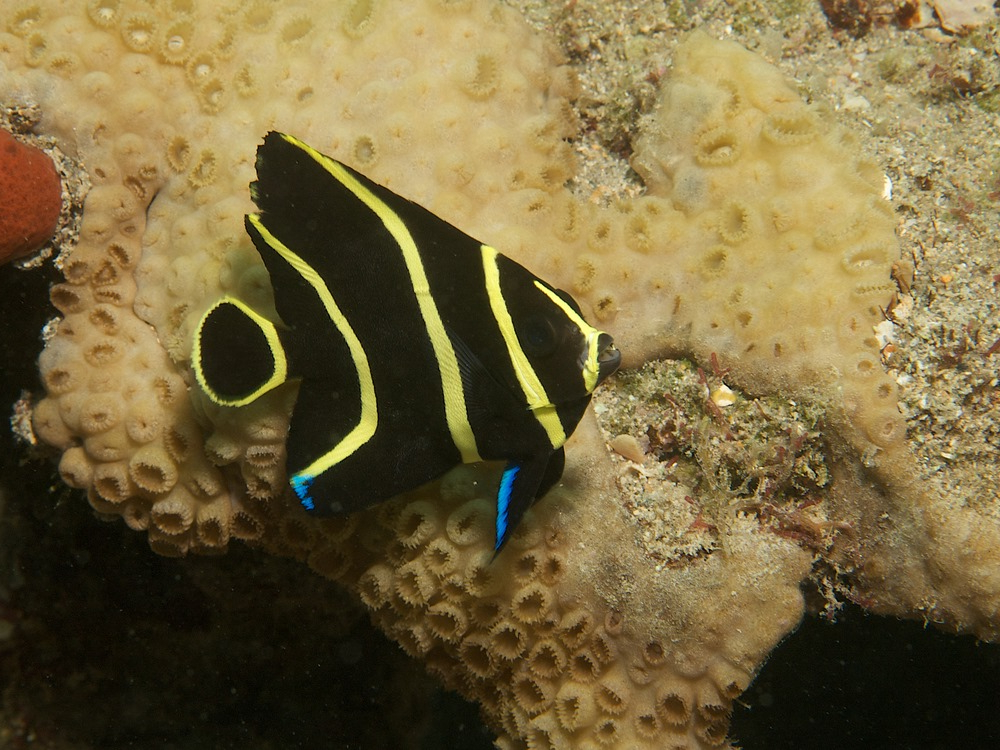
| Color Form | Black body with bright yellow vertical bars |
| Diet | Omnivore |
| Reef Compatible | Not reef-safe |
| Water Conditions | 72–82°F (22–28°C), Sg 1.020–1.025, pH: 8.1–8.4, dKH: 8–12 |
| Max Size | 16″ |
| Family | Pomacanthidae |
| Minimum Tank Size | 250 gallons |
3-Day Guarantee
Approximate Purchase Size: Small: 1-2.5″; Medium: 2.5-3.75″; Large: 4-5″
French Angelfish (Juvenile)
Also known as the French Angel
The juvenile French Angelfish is one of the most striking and sought-after specimens in marine aquarium keeping, displaying completely different coloration from adults with bold yellow vertical bands on a velvety black background. These young angels offer aquarists the extraordinary opportunity to witness one of nature’s most dramatic color transformations over several years while raising a fish that will develop into an intelligent, interactive companion. Native to the Western Atlantic, Caribbean, and Gulf of Mexico, juvenile French Angels are prized for their exceptional beauty, manageable initial size, and the rewarding long-term experience of nurturing them to magnificent adulthood.
Key Features
- Scientific Name: Pomacanthus paru
- Common Names: French Angelfish, French Angel
- Juvenile Size: 2–8 inches (pre-adult coloration transformation)
- Adult Size: Will eventually reach 12–16 inches (occasionally 18 inches)
- Lifespan: 15–20+ years with proper care (some specimens exceed 25 years)
- Temperament: Semi-aggressive; less territorial than adults but increasingly assertive as they mature
- Reef Compatibility: Not reef-safe – will develop coral-consuming behaviors as they mature
- Minimum Tank Size: 250 gallons for juveniles (must upgrade to 250–300+ gallons as they grow)
- Experience Level: Intermediate to advanced
Habitat & Tank Requirements
- Tank Environment: Provide substantial live rock structures with caves, overhangs, and hiding spots. Juvenile French Angels are initially somewhat shy and appreciate secure refuges within complex rockwork where they can retreat when startled. As they mature and gain confidence, they venture out progressively more, eventually becoming bold and active throughout the entire system.
- Water Parameters:
- Temperature: 72–82°F (22–28°C)
- Salinity: 1.020–1.025
- pH: 8.1–8.4
- Ammonia/Nitrite: 0 ppm
- Nitrate: <20 ppm (lower is optimal for growth)
- dKH: 8–12
- Calcium: 380–450 ppm
- Aquascape: Create complex rockwork with territories appropriate for their current size while planning for substantial future growth. Juveniles spend considerable time hiding initially but become progressively bolder. Stable, high water quality is especially critical during the juvenile growth phase when they’re most vulnerable.
- Compatibility: Juveniles are less aggressive than adults and can coexist with a wider variety of tank mates initially. Avoid housing with other large angelfish (especially other Pomacanthus species) or overly aggressive fish that may bully juveniles. Compatible with peaceful to semi-aggressive community fish. However, as they mature, aggression levels increase dramatically—plan long-term compatibility carefully. They will eventually dominate most tanks and become territorial toward many species.
Diet & Feeding
Juvenile French Angelfish require varied, premium nutrition for proper growth and development:
- Meaty Foods: Mysis shrimp, vitamin-enriched brine shrimp (size-appropriate for juveniles), finely chopped seafood, high-quality marine pellets, frozen carnivore preparations for omnivores
- Plant Matter: Marine algae sheets (nori, sea lettuce), spirulina-based foods, natural algae growth on live rock (critical for juveniles), blanched vegetables, quality herbivore flakes and pellets
- Specialty Foods: Juvenile angelfish formulas containing natural sponge material (essential for proper development and long-term health), color-enhancing foods with spirulina, astaxanthin, and natural carotenoids
- Live Rock Grazing: Abundant live rock with rich biofilm, diverse film algae, and microfauna is absolutely critical for juvenile development, digestive health, and immune system development
- Growth Support: Feed higher protein content during rapid juvenile growth phase (typically 2–8 inches), gradually transitioning to more balanced omnivore diet as they mature toward adult size
- Feeding Schedule: Feed 3–4 times daily in moderate portions. Juveniles have high metabolic rates and require frequent feeding for optimal growth, color development, and health maintenance.
Notes & Considerations
- Behavior: Juvenile French Angels are initially cautious and secretive, spending considerable time hiding within rockwork structure and emerging tentatively to feed. As they acclimate and grow, they become progressively bolder, more interactive, and territorial. Patience during initial acclimation is essential—they may take several days to weeks to fully settle. As they mature, personality develops dramatically—they become increasingly curious, interactive with owners, and assertive with tank mates.
- Coral Compatibility: NOT reef-safe at any age. While very small juveniles (under 3 inches) may initially ignore corals, they will develop destructive nipping and consumption behaviors as they grow. Will eventually consume soft corals, LPS, SPS, and aggressively damage clam mantles. Additionally, they feed extensively on sponges and tunicates. Plan exclusively for fish-only or FOWLR (fish-only-with-live-rock) systems from the beginning.
- Spectacular Juvenile Coloration: Juveniles display one of the most beautiful and distinctive patterns in the marine angelfish world. The body is deep velvety black to midnight black with four to five brilliant yellow to golden-yellow vertical bands that extend from the dorsal to ventral surfaces. The caudal fin (tail) is bright yellow with a clear to translucent margin. A yellow bar marks the snout area. This dramatic high-contrast pattern is completely different from adult coloration and serves as camouflage mimicking cleaning stations in nature.
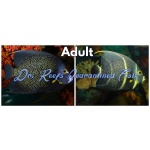
- Color Transformation Timeline: The remarkable transition from juvenile to adult coloration typically begins around 6–8 inches in length and progresses gradually over 6–12 months. The yellow bands slowly fragment and transform into the chain mail pattern of yellow-edged scales characteristic of adults. During transition, fish display fascinating intermediate patterns. Complete transformation usually occurs by 10–12 inches. This extended transformation process is one of the most rewarding aspects of raising juvenile French Angels—witnessing this change firsthand over years.
- Growth Rate: With premium nutrition, optimal water quality, and adequate space, juveniles grow steadily and impressively. Typical growth rates: 2–4 inches within the first year, 6–8 inches by 2–3 years, and 10–12 inches by 4–5 years. Growth rates vary significantly based on diet quality, feeding frequency, tank size, and genetic factors.
- Critical Tank Size Planning: This is perhaps the most important consideration. While juveniles can be housed in 75–100 gallon systems initially, prospective owners MUST plan for substantial tank upgrades. An adult French Angel requires 220–300+ gallons minimum. Failure to upgrade as the fish grows leads to stunted growth, severe behavioral problems including aggression and stress, chronic health issues, and significantly shortened lifespan. Do not acquire a juvenile without a concrete plan for housing them as adults.
- Aggression Development: As juveniles mature (typically around 6–10 inches), they become increasingly territorial and aggressive, particularly toward other angelfish, tangs, or similarly sized fish. Monitor behavior carefully as they grow and be prepared to rehome incompatible tank mates or move the angelfish to a larger, more appropriate system.
- Intelligence and Personality: French Angels are among the most intelligent marine fish. Juveniles begin displaying personality early, and as they mature, they develop remarkable awareness, recognize individual people, learn feeding schedules, and display what can only be described as genuine interaction and bonding with dedicated owners.
Why Choose a Juvenile French Angelfish?
Juvenile specimens offer unique advantages and deeply rewarding experiences:
- Witnessing Transformation: Experience one of nature’s most spectacular color metamorphoses firsthand over several years—an incredibly rewarding journey for dedicated aquarists
- Manageable Initial Size: Start with a 2–4 inch specimen that adapts more readily to captive conditions and is less intimidating during initial establishment than large adults
- Better Acclimation: Juveniles typically adapt to aquarium life, processed foods, and varied tank mates more readily than wild-caught adults
- Personality Development: Watch intelligence and personality develop from shy juvenile to confident, interactive adult—forming an exceptionally strong bond with your fish over years
- Behavioral Development: Observe the fascinating behavioral changes as they transition from cautious juveniles to bold, territorial adults
- Educational Experience: Provides invaluable learning about angelfish biology, development, growth, and long-term advanced husbandry
- Lower Initial Cost: Typically less expensive than adult specimens while offering the complete experience of raising one of the ocean’s most magnificent species
- Tank Growing Opportunity: Allows your aquarium system to grow and evolve alongside your fish, upgrading progressively as they mature
Quarantine Critical Importance
Quarantined juvenile French Angelfish provide essential benefits:
- Feeding Assurance: Confirms the juvenile is eating well and accepting varied prepared foods—absolutely critical for successful long-term growth and development
- Disease Prevention: Eliminates parasites (cryptocaryon, brooklynella, velvet, flukes) and bacterial infections particularly problematic for stressed juveniles during vulnerable growth phases
- Stress Recovery: Allows complete recovery from collection and shipping trauma in controlled, low-stress environment without competition or aggression
- Growth Monitoring: Observation period ensures proper growth rate, normal behavior, body condition, and absence of developmental issues or genetic problems
- Nutritional Conditioning: Establishes varied diet acceptance including essential sponge-based foods critical for optimal juvenile development
- Health Baseline: Confirms robust immune function, normal swimming patterns, and absence of chronic health issues before introduction to display system
- Acclimation Success: Extended quarantine allows gradual adjustment to aquarium conditions, ensuring smooth transition to display tank
Our juvenile French Angelfish undergo a 6-8 week quarantine with specialized nutrition, gentle disease prevention, stress-free care, and thorough monitoring, ensuring they arrive healthy, vibrant, and confident, ready to grow into a magnificent, intelligent, and interactive adult, offering a rewarding multi-year transformation and enduring beauty.
| Service Level |
Quarantined |
|---|---|
| Extended Guarantee |
3 days (Included) ,7 days ,14 days |
You must be logged in to post a review.
Related products
Blue Leg Hermit Crabs
Price range: $19.99 through $74.99
Cerith Snail
Price range: $14.99 through $69.99
Coral Beauty Angelfish
Price range: $79.99 through $91.99
Flame Hawkfish
Price range: $99.99 through $114.99
Reviews
There are no reviews yet.