
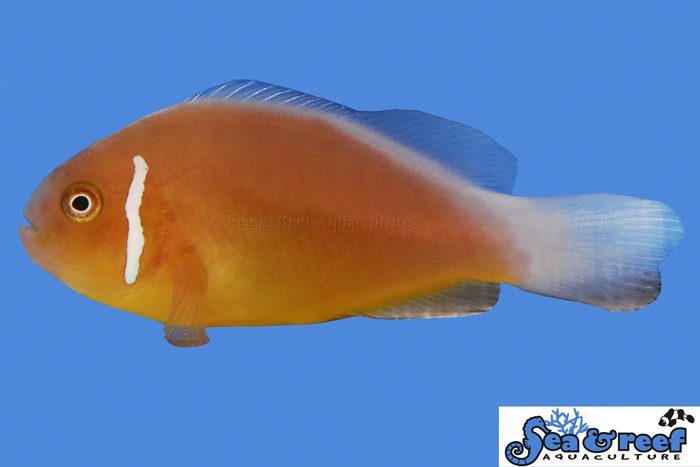
Fiji Skunk Pink Clownfish
$39.99
Amphiprion perideraion
| Care Level | Beginner to intermediate |
| Temperament | Peaceful to semi-aggressive |
| Color Form | Pink to orange body with a white dorsal stripe (skunk marking) |
| Diet | Omnivore |
| Reef Compatible | Reef-safe |
| Water Conditions | sg 1.023–1.025, 74–78°F, pH 8.1–8.4 |
| Max Size | 4“ |
| Family | Pomacentridae |
| Minimum Tank Size | 30 gallons |
3-Day Guarantee
Approximate Purchase Size: Small: 1″ to 1.25″; Medium: 1.25″ to 1.75″; Large: 1.75″ to 2.25″
Fiji Skunk Pink Clownfish
Also known as the Pink Skunk Clownfish or Skunk-Striped Clownfish
The Fiji Skunk Pink Clownfish is a distinctive and vibrant marine fish showcasing a striking color pattern unique among clownfish species. Native to the Indo-Pacific region, particularly Fiji and surrounding areas, this captive-bred variant displays a brilliant pink to orange body with a distinctive white stripe running from head to tail along the dorsal surface, resembling a skunk’s markings. This bold pattern combined with their peaceful temperament makes them a highly sought-after and visually stunning addition to reef aquariums.
Key Features
- Scientific Name: Amphiprion perideraion (Pink Skunk variant)
- Common Names: Fiji Skunk Pink Clownfish, Pink Skunk Clownfish, Skunk Clownfish
- Adult Size: 3–4 inches (8–10 cm)
- Lifespan: 10–15+ years with proper care
- Temperament: Peaceful to semi-aggressive; territorial around host anemone
- Reef Compatibility: Reef-safe
- Minimum Tank Size: 30 gallons
- Experience Level: Beginner to Intermediate
Habitat & Tank Requirements
Natural Habitat: Found in association with sea anemones on coral reefs at depths of 10–50 feet throughout Fiji and the Indo-Pacific. Form symbiotic relationships with host anemones, receiving protection while providing the anemone with food particles and cleaning services.
Tank Environment:
- Abundant live rock with multiple caves and crevices
- Host anemone (Bubble Tip, Carpet, or Magnificence) recommended but not required
- Moderate to strong water flow
- Well-established aquarium (2+ months minimum)
- Open swimming areas for active exploration
Water Parameters:
- Temperature: 74–78°F (23–26°C)
- Salinity: 1.023–1.025 specific gravity
- pH: 8.1–8.4
- Ammonia/Nitrite: 0 ppm
- Nitrate: <20 ppm
- Alkalinity: 8–12 dKH
Essential Equipment:
- Quality protein skimmer
- Efficient biological filtration
- Moderate to strong water circulation
- Regular water changes (15–20% biweekly minimum)
Diet & Feeding
Fiji Skunk Pink Clownfish are omnivores requiring a varied diet of small-sized foods.
Recommended Foods:
- Frozen Foods: Mysis shrimp, enriched brine shrimp, finely chopped krill, copepods
- Pellets/Flakes: High-quality marine flakes, small pellets, color-enhancing formulas
- Plant Matter: Spirulina flakes, small nori pieces
- Live Foods: Occasional brine shrimp (especially for juveniles)
- Prepared Mixes: Clownfish formula blends, marine cuisine
Feeding Schedule:
- Feed 2–3 times daily in small portions
- Offer variety to maintain optimal health and coloration
- Ensure appropriately sized food particles
- Include foods rich in carotenoids for color enhancement
Note: In the wild, skunk clownfish feed on parasites removed from anemones, small crustaceans, and zooplankton. They readily accept most aquarium foods and are generally enthusiastic feeders.
Behavior & Compatibility
Temperament:
- Peaceful and curious within their territory
- Territorial around their host anemone (if present)
- Generally non-aggressive toward other fish
- More peaceful than some other clownfish species
- Active explorers and interactive with tank inhabitants
Tank Mates:
- Compatible with: Peaceful tangs, wrasses, gobies, blennies, cardinalfish, peaceful dottybacks, chromis, anthias, other peaceful clownfish
- Caution with: Larger aggressive fish, triggers, lionfish
- Avoid: Large predatory species that may view them as prey
Reef Compatibility:
- Reef-safe: Will not harm corals or invertebrates
- Compatible with all coral types
- May interact gently with anemones
- Excellent reef system addition
Anemone Hosting: Fiji Skunk Pink Clownfish will host in anemones but thrive without them. Compatible hosts:
- Bubble Tip Anemone (Entacmaea quadricolor)
- Carpet Anemone (Stichodactyla mertensii)
- Magnificent Sea Anemone (Heteractis magnifica)
Acclimation & Care Tips
Initial Acclimation:
- Standard drip acclimation over 1–2 hours
- Dim tank lights for first 24 hours
- Provide multiple hiding spots
- Introduce to established aquarium when possible
- Usually feeds within 12–24 hours
Health Considerations:
- Hardy and disease-resistant species
- Less susceptible to parasites than sensitive species
- Quarantine for 2–4 weeks before display tank addition recommended
- Monitor for behavioral and feeding changes
- Maintain excellent water quality
Signs of a Healthy Specimen:
- Active, exploratory swimming
- Vibrant pink to orange coloration with clear white stripe
- Bright, alert eyes
- Eager, consistent feeding response
- Smooth, intact fins
- No visible spots, lesions, or parasites
- Interaction with anemone (if present)
Color & Development
Adult Coloration: Fiji Skunk Pink Clownfish display distinctive markings:
- Body: Brilliant pink to orange coloration
- Dorsal Stripe: Distinctive white band running from head to tail along the back (skunk marking)
- Fins: Pink to orange matching body
- Pattern: Striking high-contrast coloration enhancing overall appearance
Juvenile Coloration: Juveniles display similar pattern to adults:
- Bright pink body color
- Clear white dorsal stripe present from young age
- Proportionally larger head and fins
- Coloration intensifies with age
Color Intensity Factors:
- Diet quality (carotenoid-rich foods enhance pink tones)
- Water quality (pristine conditions support vibrant coloration)
- Lighting (good spectrum lighting brings out pink pigmentation)
- Stress levels (stressed fish display faded colors)
- Age and maturity (colors deepen with growth)
Special Considerations
Captive-Bred Origin:
All Fiji Skunk Pink Clownfish available in the aquarium trade are captive-bred:
- No impact on wild populations
- Environmentally sustainable
- Better adapted to aquarium life
- Higher survival rates
- Pre-trained to accept prepared foods
Exceptional Hardiness:
Fiji Skunk Pink Clownfish are among the hardiest clownfish:
- Excellent for beginner marine aquarists
- Forgiving of minor water quality fluctuations
- Readily accept all prepared foods
- Adapt quickly to aquarium life
- Minimal special care requirements
Peaceful Temperament:
Known for being calmer than many clownfish species:
- More likely to accept anemone-less environments
- Compatible with peaceful community tanks
- Less aggressive toward tankmates
- Ideal for mixed reef systems
Longevity:
With proper care, Fiji Skunk Pink Clownfish can live 10–15+ years, becoming established and interactive aquarium residents over their lifespan
Quarantine Protocol
Why Quarantine is Beneficial:
Although exceptionally hardy, quarantine ensures disease prevention and optimal acclimation for your new clownfish.
Our Quarantine Process:
- Observation Period: 2–4 weeks
- Parasite Prevention: Observation for any signs of parasites; treatment if needed
- Dietary Conditioning: Training to accept varied prepared foods
- Stress Reduction: Low-stress environment for shipping recovery
- Health Monitoring: Daily observation for disease or behavioral issues
- Feeding Confirmation: Ensuring robust, consistent feeding response
Why Choose a Quarantined Fiji Skunk Pink Clownfish?
Purchasing a properly quarantined Fiji Skunk Pink Clownfish ensures you receive a healthy, disease-free specimen ready to thrive immediately in your aquarium. The quarantine period allows any shy individuals to gain confidence and establishes strong feeding patterns before display tank introduction. For this exceptionally hardy, captive-bred, and visually stunning species, quarantine provides assurance and sets the foundation for 10–15+ years of enjoyment. The striking skunk pattern, peaceful temperament, and reef-safe nature make the Fiji Skunk Pink Clownfish one of the finest clownfish additions available to reef aquarists.
| Service Level | Quarantined |
|---|
You must be logged in to post a review.
Related products
Aiptasia Eating Filefish
$99.99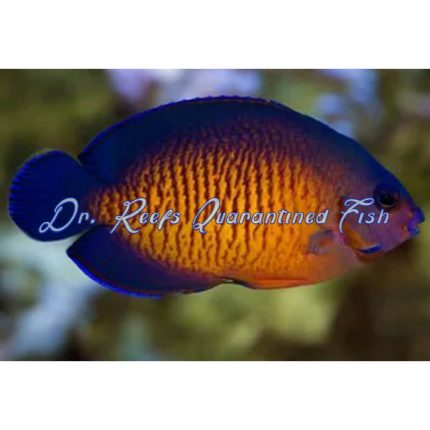
Coral Beauty Angelfish
$79.99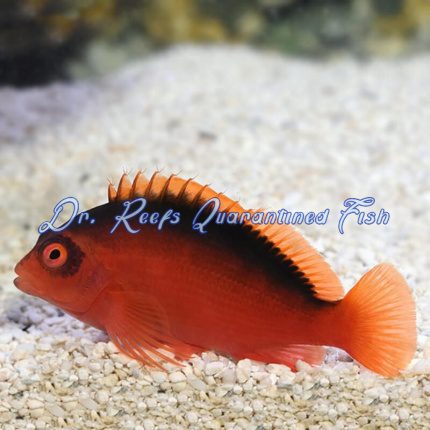
Flame Hawkfish
$99.99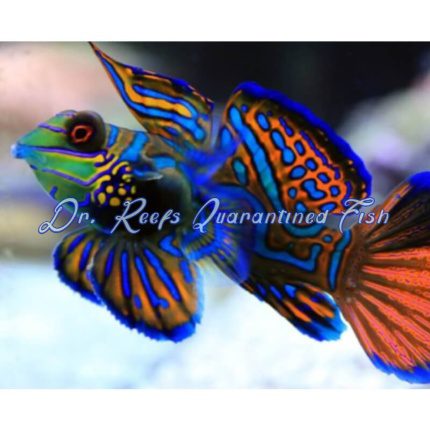
Mandarin – Blue/Green (Wild Caught)
$79.99
Margarite Snail
Price range: $11.99 through $54.99
Midas Blenny
$99.99
Nerite Snail
Price range: $14.99 through $69.99
Reviews
There are no reviews yet.