
False Personifer Angelfish (Female)
$799.99
Chaetodontoplus meredithi
| Care Level | Advanced |
| Temperament | Semi-aggressive |
| Color Form | Deep blue body with pale blue bars and an orange-yellow tail |
| Diet | Omnivore |
| Reef Compatible | With caution |
| Water Conditions | sg 1.023–1.025, 72–78°F, pH 8.1–8.4, dKH 8–12 |
| Max Size | 5″ |
| Family | Pomacanthidae |
| Minimum Tank Size | 180 gallons |
Live Arrival Guarantee
Approximate Purchase Size: Small: 1-2.5″; Medium: 2.5-3.75″; Large: 4-5″
False Personifer Angelfish (Female)
Also known as the Blue Girdled Angelfish or Majestic Angelfish
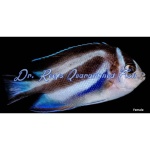
The False Personifer Angelfish is an exceptionally rare and stunning marine species that represents one of the holy grails of angelfish collecting. Female specimens display elegant deep blue coloration with distinctive white to pale blue vertical bars and orange-yellow accents. Native to the Western Pacific, primarily around Indonesia, Papua New Guinea, and the Philippines, this species is rarely available in the aquarium trade and commands premium prices due to its scarcity, beauty, and the specialized collecting required to obtain specimens from deep reef environments.
Key Features
- Scientific Name: Chaetodontoplus meredithi (Note: Sometimes confused with C. venusta; taxonomy has been debated)
- Common Names: False Personifer Angelfish, Blue Girdled Angelfish, Majestic Angelfish, Purple Mask Angelfish
- Adult Size: 4–5 inches
- Lifespan: 8–12+ years with proper care
- Temperament: Semi-aggressive; territorial with conspecifics but generally peaceful with other species
- Reef Compatibility: With caution – may nip at soft corals, zoanthids, and clam mantles
- Minimum Tank Size: 180+ gallons recommended
- Experience Level: Advanced (due to rarity, cost, and specific care requirements)
Habitat & Tank Requirements
- Tank Environment: Provide abundant live rock structures with caves, crevices, and complex hiding spots. False Personifer Angels come from deeper reef environments (typically 60–200+ feet) and appreciate dimmer lighting and ample refuge areas. Create a peaceful environment with minimal aggressive tank mates to reduce stress.
- Water Parameters:
- Temperature: 72–78°F (22–26°C) (prefer cooler end of range due to deep-water origins)
- Salinity: 1.023–1.025
- pH: 8.1–8.4
- Ammonia/Nitrite: 0 ppm
- Nitrate: <10 ppm (pristine water quality essential)
- dKH: 8–12
- Calcium: 400–450 ppm
- Lighting: Moderate to low lighting preferred initially; they originate from deeper reef zones with reduced light penetration. Provide shaded areas under rockwork.
- Aquascape: Complex rockwork with multiple caves and swim-throughs. Stability is crucial—avoid frequent rearrangement that causes stress. Create territories with visual barriers.
- Compatibility: Can be kept with other peaceful to semi-aggressive fish. Avoid housing with aggressive species, other Centropyge angelfish (especially males of the same species), or overly boisterous tank mates. Best in peaceful community settings with similar-sized, non-aggressive fish.
Diet & Feeding
False Personifer Angelfish require high-quality, varied nutrition for optimal health:
- Meaty Foods: Mysis shrimp, enriched brine shrimp, finely chopped marine flesh (squid, clam, mussel), high-quality frozen carnivore preparations, copepods
- Plant Matter: Marine algae sheets (nori), spirulina, natural algae growth on live rock, quality herbivore preparations
- Specialty Foods: Angelfish formulas containing natural sponge material (essential for long-term health), color-enhancing foods with natural pigments
- Live Foods: May initially require live brine shrimp or live mysis to stimulate feeding response, particularly if wild-caught and recently imported
- Natural Grazing: Abundant live rock with rich biofilm, algae growth, and microfauna provides continuous foraging opportunities crucial for this species
- Feeding Schedule: Feed 2–3 times daily in moderate portions. Some specimens can be finicky feeders initially and may require patience and variety to establish regular feeding patterns.
Notes & Considerations
- Behavior: Female False Personifer Angels are generally more peaceful than males and less territorial toward other species. They are somewhat secretive, especially initially, and spend time exploring rockwork and hiding when startled. Once acclimated, they become more confident but retain a somewhat shy demeanor compared to more boisterous angelfish species.
- Coral Compatibility: Considered “reef-safe with caution.” While less aggressive toward corals than many angels, individual specimens may develop nipping behaviors toward soft corals (particularly zoanthids and leather corals), large-polyp stony corals, and clam mantles. Careful monitoring is essential in reef systems.
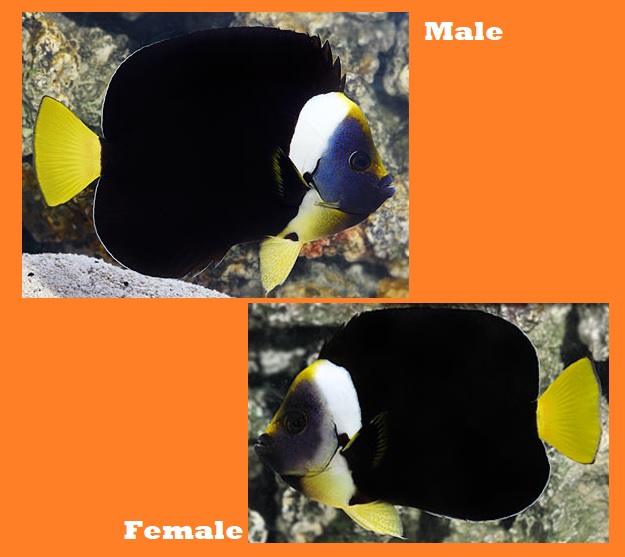
- Female Coloration: Females display beautiful deep blue to purple-blue body coloration with distinctive white to pale blue vertical bars or bands across the body. The tail (caudal fin) shows orange-yellow coloration, giving rise to the species name “xanthurus” (yellow tail). The facial region often shows subtle orange highlights. Overall appearance is elegant and refined compared to the more dramatic male coloration.
- Sexual Dimorphism: Females are visually distinct from males. Males typically display more intense coloration with brighter orange-yellow extending onto the body and more vivid blue tones. Females are generally smaller and show more subdued coloring with cleaner white barring patterns.
- Rarity and Collection Challenges: This species inhabits deep reef slopes and drop-offs, making collection difficult and dangerous. Specimens must be brought up slowly from depth to avoid decompression issues. This contributes to limited availability and high prices.
- Acclimation Sensitivity: Due to deep-water origins, False Personifer Angels can be sensitive during initial acclimation. They may require dim lighting initially, and very stable water parameters. Some specimens take several days to weeks to settle and begin feeding regularly.
- Temperature Preference: Coming from deeper, cooler waters, these angels generally prefer the lower end of typical reef temperature ranges (72–76°F optimal).
Why Choose a Female False Personifer Angelfish?
Female specimens offer specific advantages for specialized collectors:
- Peaceful Temperament: Females are typically less aggressive than males, making them more suitable for peaceful community systems
- Elegant Coloration: While less flamboyant than males, females possess refined beauty with clean barring patterns and subtle color contrasts
- Smaller Size: Females tend to be slightly smaller, making them appropriate for more moderately sized systems
- Pair Potential: For breeders or those seeking to establish pairs, females are essential and often harder to source than males
- Collector’s Specimen: The rarity and difficulty of obtaining this species makes it a prized addition for serious angelfish collectors
- Reef Compatibility: Slightly better track record in reef systems compared to males, though still requiring monitoring
Our quarantined female False Personifer Angelfish undergo extended observation periods (minimum 6–8 weeks recommended for this species), receive premium varied nutrition including essential sponge-based foods, are maintained in dimly lit, peaceful environments that mirror their natural habitat, and undergo comprehensive prophylactic treatments for common marine diseases. This meticulous approach ensures they arrive healthy, feeding consistently on multiple food types, parasite-free, fully acclimated to standard aquarium conditions, and completely prepared to thrive in your system, providing you with one of the rarest and most beautiful dwarf angelfish species available, a true collector’s treasure that will reward dedicated care with years of subtle elegance and quiet beauty in your carefully maintained marine aquarium.
| Service Level | Quarantined |
|---|
You must be logged in to post a review.
Related products
Astraea Snail
Price range: $29.99 through $79.99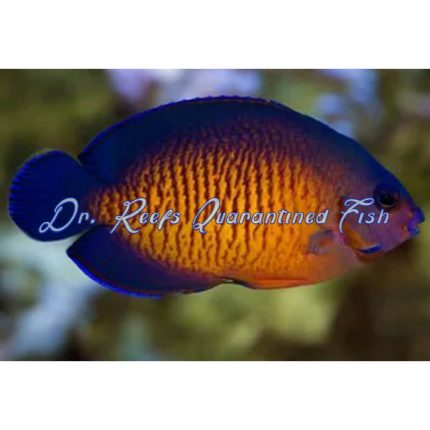
Coral Beauty Angelfish
$79.99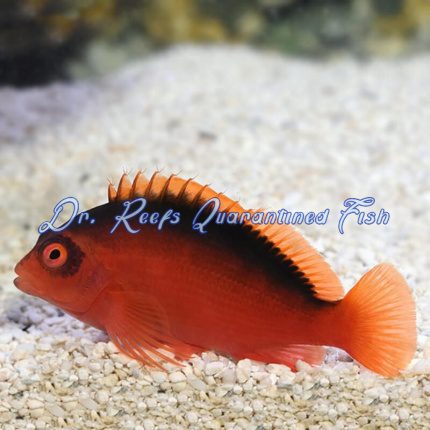
Flame Hawkfish
$99.99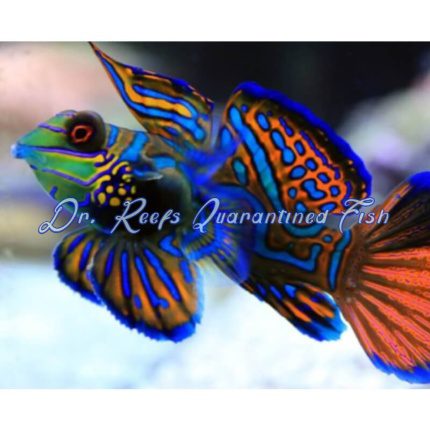
Mandarin – Blue/Green (Wild Caught)
$79.99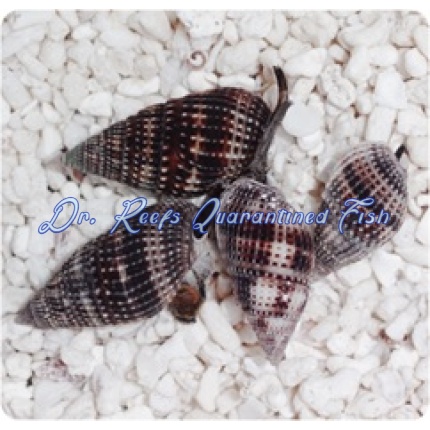
Nassarius Snail Large
Price range: $19.99 through $69.99
Reviews
There are no reviews yet.