
False Personifer Angelfish (Male)
$899.99
Chaetodontoplus meredithi
| Care Level | Advanced |
| Temperament | Semi-aggressive |
| Color Form | Deep blue body with bright orange-yellow markings |
| Diet | Omnivore |
| Reef Compatible | With caution |
| Water Conditions | sg 1.023–1.025, 72–78°F, pH 8.1–8.4, dKH 8–12 |
| Max Size | 6″ |
| Family | Pomacanthidae |
| Minimum Tank Size | 180 gallons |
Live Arrival Guarantee
Approximate Purchase Size: Small: 1-2.5″; Medium: 2.5-3.75″; Large: 4-5″
False Personifer Angelfish (Male)
Also known as the Blue Girdled Angelfish or Majestic Angelfish
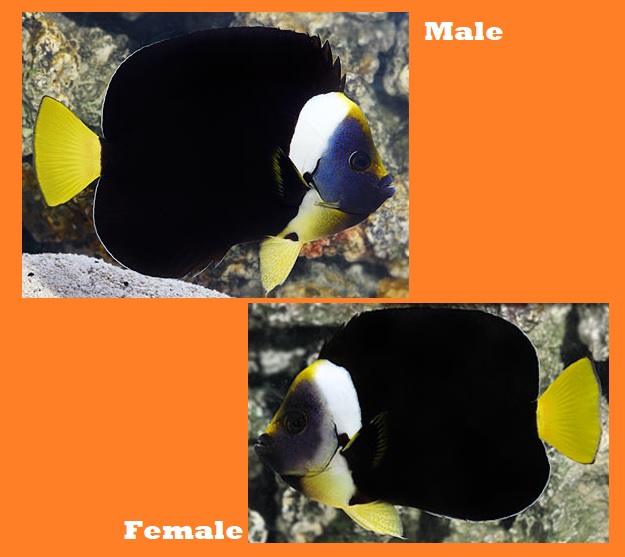
The False Personifer Angelfish male is an exceptionally rare and breathtaking marine species representing the pinnacle of dwarf angelfish collecting. Male specimens display dramatically more intense coloration than females, with vibrant deep blue bodies, brilliant orange-yellow markings, and distinctive white vertical bars. Native to the Western Pacific, primarily around Indonesia, Papua New Guinea, and the Philippines, this species is exceedingly rare in the aquarium trade due to deep-water collection challenges, commanding premium prices among serious angelfish collectors and enthusiasts.
Key Features
- Scientific Name: Chaetodontoplus meredithi (Note: Sometimes confused with C. venusta; taxonomy has been debated)
- Common Names: False Personifer Angelfish, Blue Girdled Angelfish, Majestic Angelfish, Purple Mask Angelfish
- Adult Size: 5–6 inches (males slightly larger than females)
- Lifespan: 8–12+ years with proper care
- Temperament: Semi-aggressive to aggressive; territorial, especially toward other angelfish
- Reef Compatibility: With caution – may nip at soft corals, zoanthids, and clam mantles
- Minimum Tank Size: 180+ gallons strongly recommended
- Experience Level: Advanced to expert (due to extreme rarity, cost, and specific care requirements)
Habitat & Tank Requirements
- Tank Environment: Provide extensive live rock structures with numerous caves, crevices, overhangs, and complex hiding spots. False Personifer Angels originate from deeper reef environments (typically 60–200+ feet depth) and appreciate dimmer lighting conditions and abundant refuge areas. Males are more territorial and require adequate space to establish territory without constant conflict.
- Water Parameters:
- Temperature: 72–78°F (22–26°C) (prefer cooler temperatures due to deep-water origins)
- Salinity: 1.023–1.025
- pH: 8.1–8.4
- Ammonia/Nitrite: 0 ppm
- Nitrate: <10 ppm (pristine water quality absolutely essential)
- dKH: 8–12
- Calcium: 400–450 ppm
- Phosphate: <0.03 ppm
- Lighting: Moderate to low lighting preferred, especially initially. Deep-water origins mean they are adapted to reduced light penetration. Provide ample shaded areas and caves under rockwork where they can retreat from bright lighting.
- Aquascape: Stable, complex rockwork with multiple territories and sight barriers. Avoid frequent rearrangement that causes stress and territorial disputes. Create distinct zones with caves and overhangs.
- Compatibility: Males are more aggressive than females, particularly toward other Centropyge species or similarly colored/shaped fish. Best kept as the only dwarf angelfish unless the tank is exceptionally large. Compatible with peaceful to semi-aggressive fish of different body types. Avoid housing with aggressive species, other male Centropyge angels, or overly boisterous tank mates that may stress or outcompete this rare species.
Diet & Feeding
Male False Personifer Angelfish require premium, varied nutrition for optimal health and color maintenance:
- Meaty Foods: Premium mysis shrimp, vitamin-enriched brine shrimp, finely chopped marine seafood (squid, clam, scallop, mussel), high-quality frozen carnivore preparations, copepods, cyclops
- Plant Matter: Marine algae sheets (nori, sea lettuce), spirulina-based foods, natural algae growth on live rock, quality herbivore pellets and flakes
- Specialty Foods: Premium angelfish formulas containing natural sponge material (absolutely essential for long-term health and color retention), color-enhancing preparations with astaxanthin, spirulina, and natural carotenoids
- Live Foods: May initially require live brine shrimp, live mysis, or live copepods to stimulate feeding response, particularly if wild-caught and recently collected
- Natural Grazing: Extensive live rock with rich biofilm, diverse algae species, and abundant microfauna provides continuous foraging opportunities absolutely critical for this species
- Vitamin Supplementation: Soak foods in quality vitamin supplements (especially vitamins C and A) to support immune function and maintain vibrant coloration
- Feeding Schedule: Feed 2–3 times daily in moderate portions. Males have slightly higher metabolic demands due to larger size and may require more frequent feeding initially. Some specimens can be extremely finicky and may require significant patience and variety to establish regular feeding patterns.
Notes & Considerations
- Behavior: Male False Personifer Angels are bolder and more territorial than females but still retain a somewhat reserved demeanor compared to more aggressive angelfish species. They actively patrol their territory, especially the rockwork, and will defend prime grazing areas. Once acclimated and comfortable, males become more visible and display spectacular coloration, often swimming in open water between rock structures.
- Coral Compatibility: Considered “reef-safe with extreme caution.” Males may be more likely than females to develop coral-nipping behaviors. Individual specimens vary significantly—some ignore corals entirely while others target soft corals (zoanthids, leather corals, mushrooms), large-polyp stony corals, and clam mantles. Intensive monitoring is essential in reef systems; have a backup plan if nipping becomes problematic.
- Spectacular Male Coloration: Males display breathtaking coloration that far exceeds females in intensity and vibrancy. Deep royal blue to purple-blue body with brilliant electric blue highlights. Distinctive bright white to pale blue vertical bars cross the body, creating stunning contrast. Extensive bright orange-yellow to golden-yellow coloration covers the tail (caudal fin), extends onto the anal fin, and spreads forward onto the lower body and facial region. Orange highlights around the eyes and gill covers. The overall effect is one of the most beautiful color combinations in the dwarf angelfish family.
- Sexual Dimorphism: Males are visually distinct and dramatically more colorful than females. They are slightly larger, display more extensive orange-yellow coloration that extends well beyond the tail onto the body, show more intense blue tones, and have bolder facial markings. The difference is striking when males and females are compared side-by-side.
- Extreme Rarity and Collection Challenges: This species inhabits deep reef slopes, walls, and drop-offs at depths of 60–200+ feet, making collection extremely difficult, dangerous, and expensive. Divers must use technical diving equipment and ascend slowly with specimens to prevent fatal decompression issues. Collection windows are limited, and successful captures are rare. This contributes to exceptional scarcity in the trade and very high prices (often $500–$1,200+ for quality male specimens).
- Acclimation Sensitivity: Due to deep-water origins and collection stress, False Personifer Angels can be highly sensitive during initial acclimation. They require very dim lighting initially (can use red or blue LED for observation), pristine water quality, and absolutely stable parameters. Some specimens take several days to multiple weeks to fully settle, explore their environment, and establish consistent feeding patterns. Patience is absolutely essential.
- Temperature Preference: Originating from deeper, cooler waters, these angels strongly prefer temperatures at the lower end of typical reef ranges (72–76°F is optimal). Higher temperatures can cause stress and increased susceptibility to disease.
- Decompression Considerations: Deep-water collection can occasionally result in swim bladder issues if decompression wasn’t managed perfectly. Reputable suppliers should only offer specimens that have been held for extended periods and show normal swimming behavior.
Why Choose a Male False Personifer Angelfish?
Male specimens offer specific advantages for serious collectors:
- Ultimate Coloration: Males display the absolute peak of this species’ beauty with intense blue and brilliant orange-yellow markings that females cannot match
- Collector’s Holy Grail: Among the rarest and most sought-after dwarf angelfish available, representing a pinnacle achievement for serious angelfish collectors
- Display Specimen: Once acclimated, males are more visible and bold than females, actively displaying their spectacular coloration throughout the aquarium
- Pair Potential: For advanced aquarists or breeders seeking to establish pairs (extremely rare in captivity), males are essential and significantly harder to source than females
- Investment Value: Due to extreme rarity and beauty, males often appreciate in value and represent significant investments in premium livestock
- Prestige Species: Ownership represents dedication, expertise, and access to some of the rarest marine life available in the hobby
Our male False Personifer Angelfish undergoes 8-10+ weeks of rigorous quarantine with specialized diet, gentle treatments, and peaceful, deep-reef-like care, ensuring they arrive healthy, vibrant, and confident, ready to be a rare, stunning centerpiece in your marine aquarium, offering years of breathtaking beauty and rewarding dedication.
| Service Level | Quarantined |
|---|
You must be logged in to post a review.
Related products
Aiptasia Eating Filefish
$99.99
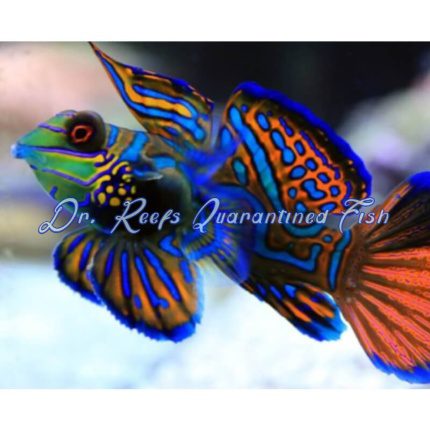
Mandarin – Blue/Green (Wild Caught)
$79.99
Midas Blenny
$99.99
Nerite Snail
Price range: $14.99 through $69.99
Pajama Cardinal (Captive Bred)
$39.99
Reviews
There are no reviews yet.