
Coral Beauty Angelfish
Price range: $79.99 through $91.99
Centropyge bispinosa
| Care Level | Low to Moderate |
| Temperament | Semi- aggressive |
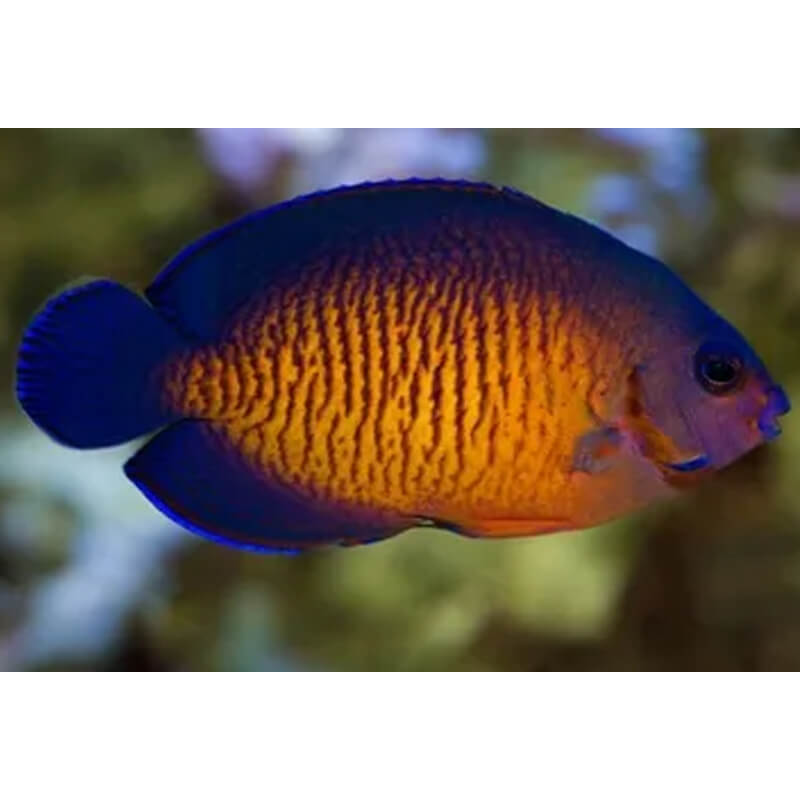
| Color Form | Deep purple to royal blue , Vibrant orange to red-orange vertical bars, Orange-yellow to red-orange accents |
| Diet | Omnivore |
| Reef Compatible | Reef Safe with caution |
| Water Conditions | 72–78°F (22–26°C), Sg 1.023–1.025 specific gravity, pH: 8.1–8.4, 8–12 dKH |
| Max Size | 5″ |
| Family | Pomacanthidae |
| Minimum Tank Size | 70+ gallons |
3-Day Guarantee
Approximate Purchase Size: Small: 1-2″; Medium: 2-3″; Large: 3-4″
Coral Beauty Angelfish
Also known as the Dusky Angelfish or Two-Spined Angelfish
The Coral Beauty Angelfish is one of the most popular and widely kept dwarf angelfish in the marine aquarium hobby. Native to the Indo-Pacific region, this stunning species displays a beautiful combination of deep purple to blue body coloration with vibrant orange to red-orange vertical markings and yellow-orange accents on the fins. Hardy, relatively peaceful, and moderately priced, the Coral Beauty is an excellent choice for intermediate marine aquarists seeking a colorful and personable dwarf angelfish.
Key Features
- Scientific Name: Centropyge bispinosa
- Common Names: Coral Beauty Angelfish, Dusky Angelfish, Two-Spined Angelfish
- Adult Size: 4–5 inches (10–13 cm)
- Lifespan: 10–15+ years with proper care
- Temperament: Semi-aggressive; generally peaceful for a dwarf angelfish
- Reef Compatibility: Reef-safe with caution – may nip at some corals and clams
- Minimum Tank Size: 70+ gallons preferred
- Experience Level: Beginner to Intermediate – one of the hardier dwarf angelfish
Habitat & Tank Requirements
Natural Habitat: Found throughout the Indo-Pacific region from East Africa to the Tuamotu Islands, including the Great Barrier Reef, Indonesia, Philippines, and Fiji. Inhabits coral-rich areas of lagoons and outer reef slopes at depths of 10–150 feet, typically in caves, crevices, and under ledges. Usually observed as solitary individuals or in small harems.
Tank Environment:
- Abundant live rock with multiple caves, crevices, and hiding spots
- Complex rockwork structure for territory establishment and security
- Moderate to ample swimming space
- Well-established aquarium (3–6 months recommended for natural algae growth)
- Moderate to strong water flow with some calmer refuge areas
Water Parameters:
- Temperature: 72–78°F (22–26°C)
- Salinity: 1.023–1.025 specific gravity
- pH: 8.1–8.4
- Ammonia/Nitrite: 0 ppm
- Nitrate: <20 ppm
- Alkalinity: 8–12 dKH
- Calcium: 400–450 ppm
Essential Equipment:
- Quality protein skimmer
- Efficient biological and mechanical filtration
- Moderate to strong water circulation
- Regular water changes (15–20% biweekly minimum)
- UV sterilizer (optional but helpful for disease prevention)
Diet & Feeding
Coral Beauty Angelfish are omnivores requiring a varied diet rich in both meaty foods and marine algae for optimal health and coloration.
Recommended Foods:
- Plant Matter: Nori sheets, spirulina, marine macro algae, dried seaweed preparations (40–50% of diet essential)
- Frozen Foods: Mysis shrimp, enriched brine shrimp, cyclops, finely chopped krill, marine fish flesh, angelfish formula preparations
- Pellets/Flakes: High-quality marine angelfish pellets, spirulina-enriched formulas, herbivore pellets, color-enhancing foods
- Prepared Mixes: Angelfish blends containing sponge material, marine cuisine, Formula Two
- Natural Grazing: Live rock with established microalgae and film algae growth
- Supplements: Vitamin C-enriched foods, garlic-based supplements, astaxanthin for color
Feeding Schedule:
- Feed 2–3 times daily in varied portions
- Provide nori or seaweed sheets clipped to tank glass for continuous grazing throughout day
- Rotate food types to ensure complete nutrition
- Allow natural algae to grow on some rocks for supplemental grazing between feedings
Note: Like all dwarf angelfish, Coral Beauties are constant grazers in the wild, feeding on sponges, tunicates, and algae. Providing continuous access to algae-based foods through clips or natural rock growth helps replicate their natural feeding behavior and maintains vibrant coloration.
Behavior & Compatibility
Temperament:
- Semi-aggressive with moderate territorial behavior
- Generally one of the more peaceful dwarf angelfish species
- Less aggressive than Bicolor, Lemonpeel, or Eibli Angels
- More peaceful than Flame Angels on average
- Becomes moderately territorial once established but rarely problematic
- Generally peaceful toward non-angelfish species
- May show territorial behavior toward other dwarf angelfish
- Individual personality variations exist
Tank Mates:
- Compatible with: Peaceful to semi-aggressive tangs, wrasses, clownfish, dartfish, gobies, blennies, cardinalfish, chromis, anthias, peaceful butterflyfish, dottybacks, damselfish
- Caution with: Other dwarf angelfish (only in tanks 70+ gallons with multiple territories); very peaceful fish may occasionally be chased
- Avoid: Multiple Centropyge species in tanks under 70 gallons, extremely aggressive species that may bully it, very small shy fish in smaller systems
Introduction Strategy:
- Can be introduced early or mid-sequence in stocking plan
- Introduce as one of last fish if concerned about territorial establishment
- Rearranging rockwork during introduction can help reset territories
- Generally adapts well regardless of introduction timing
- Monitor for first few days with existing angelfish
Reef Compatibility:
- Reef-safe with caution: More reef-safe than many dwarf angelfish but not guaranteed
- Individual behavior varies significantly – some ignore all corals, others nip regularly
- May pick at LPS corals (favia, favites, brain corals)
- Can nip at soft corals and zoanthids (less common than with other species)
- May occasionally damage clam mantles
- Generally leaves SPS corals alone
- Less destructive than Bicolor, Lemonpeel, or Flame Angels
- Many aquarists successfully keep them in reef tanks
- Best success in well-fed specimens with ample natural grazing available
- Monitor behavior closely when first introduced to reef system
- Can work in FOWLR or carefully monitored reef systems
Acclimation & Care Tips
Initial Acclimation:
- Standard drip acclimation over 1.5–2 hours
- Dim tank lights for first 24–48 hours
- Provide ample hiding spots for initial security
- Minimize activity and disturbances around tank for first few days
- Usually begins feeding within 12–24 hours (faster than many dwarf angels)
- Generally adapts quickly and becomes confident
Health Considerations:
- Generally hardy and robust once properly acclimated
- One of the hardier dwarf angelfish species
- Susceptible to marine ich (Cryptocaryon irritans) and velvet (Amyloodinium ocellatum)
- Can develop lateral line erosion (HLLE) with poor water quality or nutritional deficiencies
- Quarantine for 4–6 weeks before adding to display tank recommended
- Monitor for weight loss if herbivore diet is inadequate
- Less disease-prone than many other dwarf angelfish
Signs of a Healthy Specimen:
- Active swimming and confident exploration of territory
- Bold, alert behavior
- Vibrant purple/blue body with clear orange vertical markings
- Clear, bright eyes
- Full-bodied appearance (not thin or pinched)
- Eager feeding response to both meaty and plant-based foods
- Smooth, intact fins without tears or damage
- No visible parasites, spots, or lesions
- Even breathing without rapid gill movement
Color & Development
Standard Coloration: Coral Beauty Angelfish display beautiful, variable coloration:
- Body: Deep purple to royal blue base color (varies by individual and region)
- Vertical Markings: Vibrant orange to red-orange vertical bars or mottling on sides
- Fins: Orange-yellow to red-orange accents on dorsal, anal, and pectoral fins
- Tail: Purple-blue with orange highlights
- Face: Purple-blue with orange markings
- Eye Ring: Thin blue ring around eye
- Overall appearance is striking combination of complementary colors
Color Variations: Color intensity and pattern vary significantly between individuals and collection locations:
Color Maintenance:
- Requires varied diet with carotenoids and spirulina for orange pigmentation
- Pristine water quality enhances color vibrancy
- Adequate plant matter in diet crucial for maintaining colors
- Proper lighting (moderate intensity) brings out colors
- Stress or poor diet causes significant color fading
Special Considerations
Color Selection: When purchasing, consider:
- Color and pattern vary significantly between specimens
- Choose individual based on your preference for purple vs. orange dominance
- Collection location affects appearance
- Both heavily marked and lightly marked specimens equally healthy
- Personal preference should guide selection
Personality Variations: Individual specimens show personality differences:
- Most are moderately bold and confident
- Some individuals are quite outgoing and interactive
- Others may be more reserved initially
- Generally become bolder with time
- Less shy than many other dwarf angelfish overall
- Often swim openly in display rather than hiding
Tank Size Considerations:
- 55 gallons: Minimum for single specimen
- 70–90 gallons: Better for long-term health and reduced territorial issues
- 100+ gallons: Allows for multiple dwarf angelfish species with proper planning
- Larger tanks significantly reduce any aggression
- More forgiving in smaller tanks than more aggressive species
Collection and Availability:
- Widely available from multiple collection regions
- Consistent supply in aquarium trade
- Multiple sources provide options
- Quality generally good across suppliers
- One of the most commonly kept dwarf angelfish
Breeding in Aquariums
Spawning Behavior:
- Rarely spawns in home aquariums but possible with established pairs
- Spawning typically occurs at dusk
- Eggs are pelagic (released into water column)
- No parental care provided
- Larval rearing extremely difficult and not practical for most hobbyists
- Requires specialized facilities, rotifers, copepods, and extensive expertise
Quarantine Protocol
Why Quarantine is Important: Coral Beauty Angelfish, while hardy, benefit from quarantine to prevent parasite introduction and ensure proper dietary conditioning.
Our Quarantine Process:
- Observation Period: 4–6 weeks minimum
- Parasite Prevention: Prophylactic treatment for marine ich, velvet, and flukes
- Dietary Conditioning: Training to accept varied prepared foods with emphasis on herbivore diet (usually already feeding well)
- Stress Reduction: Calm, stable environment for recovery from collection and shipping
- Behavioral Observation: Assessment of temperament and compatibility potential
- Health Monitoring: Daily observation of feeding response, activity level, and physical condition
- Color Assessment: Ensuring vibrant coloration develops or is maintained
- Acclimation Training: Gradual adjustment to standard aquarium parameters
Quarantine Benefits:
- Prevents disease introduction to display tank
- Ensures consistent feeding on prepared foods
- Allows color recovery from any shipping stress
- Provides time for any health issues to become apparent
- Significantly improves long-term success rate
Why Choose a Quarantined Coral Beauty Angelfish?
Buying a properly quarantined Coral Beauty Angelfish offers many benefits, even though they are hardy. Our quarantine process treats the fish for parasites, ensures it eats well, and helps it recover from shipping stress. We also check its personality, color, and health before selling.
While Coral Beauties are tough and often do well without quarantine, starting with a quarantined fish reduces risks and gives you peace of mind. You’ll get a healthy, colorful, confident fish that will be a beautiful, long-lasting addition to your tank. Since they can live 10–15+ years, spending a little extra on quarantine is worth it for better long-term success.
| Service Level |
Quarantined |
|---|---|
| Extended Guarantee |
3 days (Included) ,7 days ,14 days |
You must be logged in to post a review.
Related products
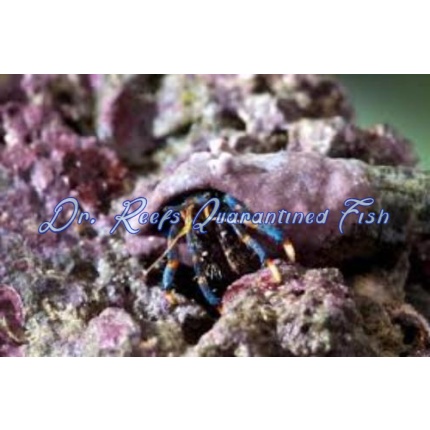
Blue Leg Hermit Crabs
Price range: $19.99 through $74.99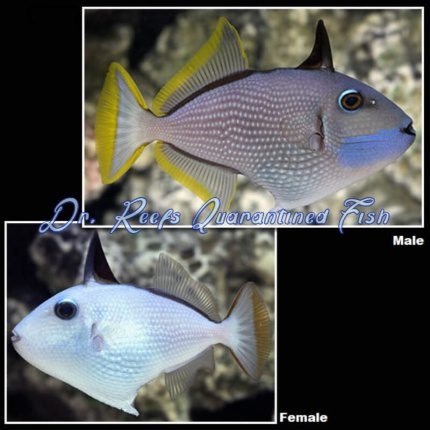
Blue Throat Triggerfish (Male)
Price range: $179.99 through $275.99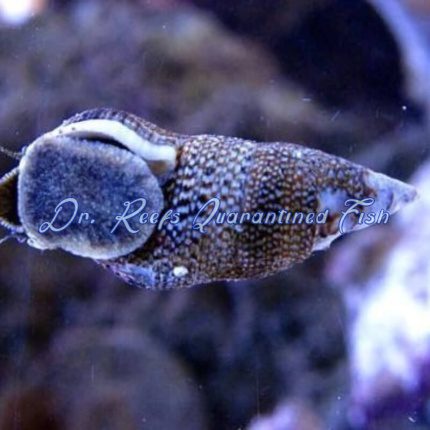
Cerith Snail
Price range: $14.99 through $69.99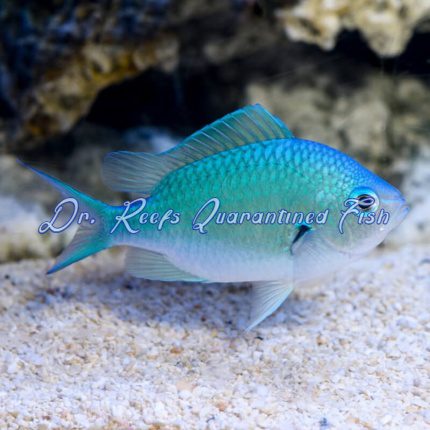
Chromis
Price range: $19.99 through $45.99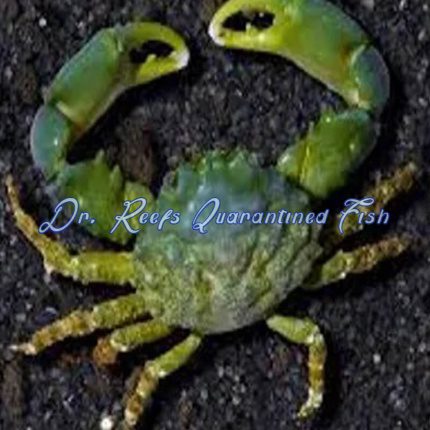
Reviews
There are no reviews yet.