

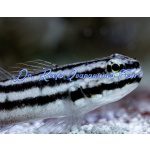
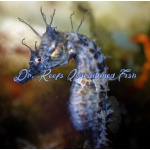
Bluestripe Pipefish (Captive Bred)
$99.99
Doryrhamphus excisus
| Care Level | High |
| Temperament | Very peaceful and shy |
| Color Form | Brilliant orange to red-orange body with 4–5 electric blue to neon blue horizontal stripes running from snout to tail |
| Diet | Carnivore (specialized micro-feeder) |
| Reef Compatible | Reef-safe |
| Water Conditions | 74–80°F (23–27°C), 1.023–1.025 sg, pH: 8.1–8.4, 8–12 dKH |
| Max Size | 7″ |
| Family | Syngnathidae |
| Minimum Tank Size | 30 gallons |
Bluestripe Pipefish (Captive Bred)
Also known as the Blue-Striped Pipefish or Janss’ Pipefish
The Bluestripe Pipefish is a delicate and fascinating species that brings elegant movement and striking coloration to marine aquariums. Native to the Indo-Pacific region, from the Red Sea to Hawaii and French Polynesia, this slender pipefish features a vibrant orange to red body adorned with distinctive blue horizontal stripes. Captive-bred specimens offer dramatically improved survivability through acceptance of frozen foods and reduced stress, making them significantly more viable additions for advanced aquarists with established, peaceful systems and proper feeding strategies.
Key Features
- Scientific Name: Doryrhamphus excisus
- Common Names: Bluestripe Pipefish, Blue-Striped Pipefish, Janss’ Pipefish
- Adult Size: 6–7 inches (15–18 cm); commonly 5–6 inches in aquariums
- Lifespan: 3–5+ years with proper care (captive-bred often longer)
- Temperament: Very peaceful and shy; delicate species
- Reef Compatibility: Completely reef-safe – ideal for peaceful reef aquariums
- Minimum Tank Size: 30 gallons minimum (55+ gallons recommended)
- Experience Level: Advanced (Captive-Bred) – requires peaceful environment and feeding plan
Habitat & Tank Requirements
Natural Habitat: Found on coral reefs, rocky outcrops, and among branching corals at depths of 3–150 feet. Often observed in pairs hovering near caves and overhangs.
Tank Environment:
- Abundant rockwork with caves and crevices
- Branching coral structures for shelter (live or artificial)
- Peaceful environment absolutely essential
- Subdued to moderate lighting
- Low to moderate water flow (too strong causes stress)
- Mature reef system (6+ months established) recommended
- Fine mesh over overflow openings
Water Parameters:
- Temperature: 74–80°F (23–27°C)
- Salinity: 1.023–1.025 specific gravity
- pH: 8.1–8.4
- Ammonia/Nitrite: 0 ppm
- Nitrate: <10 ppm (excellent water quality essential)
- Alkalinity: 8–12 dKH
Diet & Feeding
Recommended Foods (Captive-Bred Advantage):
- Frozen mysis shrimp, enriched brine shrimp, copepods (primary diet)
- Frozen cyclops, baby brine shrimp
- Live copepods, amphipods (supplementary but not essential)
- Captive-bred specimens readily accept frozen foods – major advantage over wild-caught
- High-quality frozen carnivore preparations
Feeding Schedule:
- Feed 2–3 times daily (small stomach requires frequent meals)
- Target feed with pipette or turkey baster
- Slow eaters; ensure adequate feeding time without competition
- Supplemental copepods beneficial but not required
- Much easier feeding than wild-caught specimens
Behavior & Compatibility
Tank Mates:
- Compatible with: Small peaceful gobies, blennies, dartfish, firefish, cardinalfish, clownfish (peaceful), small wrasses (peaceful), other pipefish or seahorses
- Caution with: Any aggressive or fast-moving feeders
- Avoid: ALL aggressive species, large fish, fast competitive feeders, triggers, puffers, wrasses (aggressive), dottybacks
Social Behavior:
- Extremely peaceful and timid
- Can be kept in male/female pairs
- Often forms monogamous pair bonds
- Hovers near caves and coral branches
- Very slow, deliberate swimming
- Males brood eggs in specialized pouch (like seahorses)
- Will not compete for food with aggressive eaters
- Easily stressed by boisterous tankmates
Reef Compatibility: Completely reef-safe with all corals, anemones, and sessile invertebrates. Safe with all ornamental shrimp and invertebrates. Will not harm any fish or invertebrates; only consumes small meaty foods and microfauna.
Color & Development
Coloration: Brilliant orange to red-orange body with 4–5 electric blue to neon blue horizontal stripes running from snout to tail; blue stripes outlined in black; tail fin with distinctive blue and orange pattern; tubular snout; absolutely stunning coloration when healthy.
Color Intensity:
- High-quality frozen food diet maintains vibrant colors
- Captive-bred specimens often show enhanced coloration
- Rapid color fading indicates stress or inadequate feeding (warning sign)
- Blue stripes remain vivid in healthy specimens
- Stress causes immediate dulling
- Excellent water quality essential for optimal appearance
Size & Growth:
- Captive-bred juveniles typically available at 3–4 inches
- Slow growth rate
- Reaches adult size within 12–18 months
- Remains slender throughout life
Why Choose a Captive-Bred Bluestripe Pipefish?
Captive-bred Bluestripe Pipefish offer tremendous advantages over wild-caught specimens: readily accept frozen foods (mysis, brine shrimp) – the single biggest factor in long-term survival; superior hardiness and stress tolerance; pre-conditioned to aquarium life from birth; reduced sensitivity to water parameters; dramatically improved survival rates (70%+ vs. 20–30% for wild-caught); elimination of collection pressure on wild populations.
Our captive-bred specimens undergo observation, health assessment, and feeding verification to ensure they’re actively eating frozen foods before reaching you.
These breathtaking pipefish combine spectacular orange-and-blue striping with elegant movement and fascinating breeding behavior. Captive breeding has transformed them from nearly impossible to maintain into viable options for dedicated advanced aquarists with ultra-peaceful systems. Their stunning appearance, monogamous pair bonds, and male brooding behavior create unforgettable displays. Perfect for mature peaceful reef aquariums where their beauty and unique biology can be appreciated by patient aquarists committed to meeting their specialized needs – a true success story in marine aquaculture making these stunning fish accessible to serious hobbyists.
| Service Level | Quarantined |
|---|
You must be logged in to post a review.
Related products
Aiptasia Eating Filefish
$99.99
Copperband Butterflyfish
Price range: $149.99 through $189.99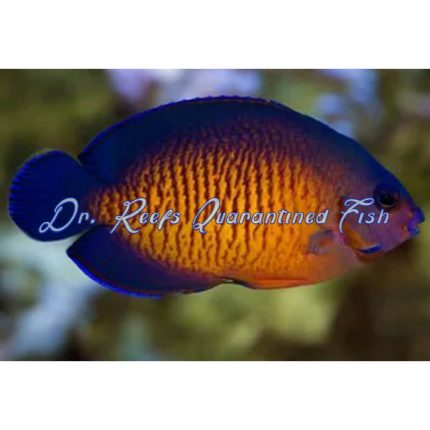
Coral Beauty Angelfish
$79.99
Margarite Snail
Price range: $11.99 through $54.99
Nerite Snail
Price range: $14.99 through $69.99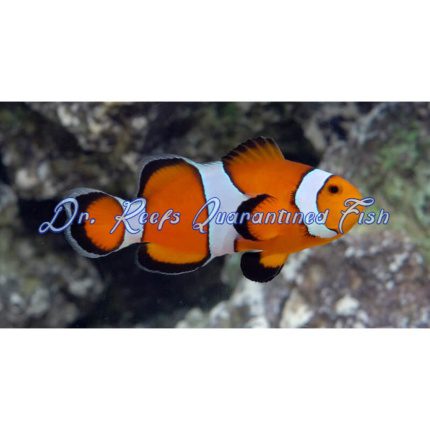
Ocellaris Clownfish
Price range: $29.99 through $49.99
Reviews
There are no reviews yet.