
Blue Hippo Tang (Captive Bred)
Price range: $109.99 through $126.99
Paracanthurus hepatus
| Care Level | Intermediate |
| Temperament | Peaceful |
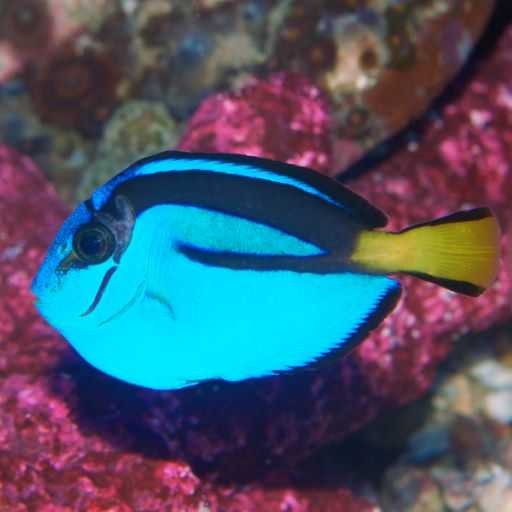
| Color Form | Bright royal-blue body with black palette markings and yellow tail |
| Diet | Omnivore |
| Reef Compatible | Reef-safe |
| Water Conditions | sg 1.023–1.025, 75–80°F, pH 8.1–8.4 |
| Max Size | 12“ |
| Family | Acanthuridae |
| Minimum Tank Size | 180 gallons |
3-Day Guarantee
Approximate Purchase Size: Small: 1-2.5″
Blue Hippo Tang (Captive Bred)
Also known as the Regal Tang, Palette Surgeonfish, or Pacific Blue Tang, this captive-bred variant represents one of the greatest achievements in marine aquaculture. Unlike wild-caught Hippo Tangs, captive-bred individuals are hardier, more adaptable, and significantly less prone to disease and transport stress. With their iconic royal-blue bodies, bold black palette markings, and bright yellow tails, they are instantly recognizable—made world-famous as “Dory.” Captive-bred specimens transition smoothly into aquariums, accept prepared foods more readily, and are an excellent choice for aquarists seeking healthier, sustainable fish.
Key Features
Scientific Name: Paracanthurus hepatus
Common Names: Blue Hippo Tang, Regal Tang, Palette Surgeonfish, Pacific Blue Tang, “Dory”
Variant: Captive Bred
Adult Size: 10–12 inches (25–30 cm)
Lifespan: 15–20+ years in stable, mature reef systems
Temperament: Peaceful, active, occasionally shy
Reef Compatibility: Completely reef-safe
Minimum Tank Size: 180 gallons (125 gallons minimum for juveniles)
Experience Level: Intermediate, easier than wild-caught due to hardiness and adaptability
Habitat & Tank Requirements
Natural Habitat:
Though captive bred, their wild counterparts inhabit Indo-Pacific coral reefs with strong currents, surge zones, and expansive reef structures.
Tank Environment:
- Large swimming space with open areas
- Mature rockwork with caves and overhangs
- Strong, variable flow to mimic natural surge
- High oxygenation and pristine water quality
- Stable environment with minimal fluctuations
Water Parameters:
- Temperature: 75–80°F (24–27°C)
- Salinity: 1.023–1.025
- pH: 8.1–8.4
- Ammonia/Nitrite: 0 ppm
- Nitrate: <15–20 ppm
- Alkalinity: 8–12 dKH
Essential Equipment:
- Effective protein skimmer
- Strong filtration (sump preferred)
- Wave makers for vigorous flow
- UV sterilizer recommended
- Regular water changes (10–15% weekly)
Diet & Feeding
Captive-bred Blue Hippo Tangs adapt to prepared foods quickly, making feeding far easier than with wild-caught fish. They are omnivores but thrive on algae-rich diets.
Recommended Foods:
- Nori and seaweed sheets (daily)
- Spirulina flakes and algae pellets
- Frozen mysis and enriched brine shrimp
- High-quality herbivore blends
- Vitamin-boosted foods (Selcon, garlic additives)
Feeding Schedule:
- Feed 2–3 times daily
- Keep nori on a clip for grazing
- Rotate foods for maximum nutrition and coloration
Behavior & Compatibility
Temperament:
- Peaceful, active swimmer
- Less shy and less stressed than wild-caught individuals
- Rarely aggressive except toward similar-shaped tangs in tight spaces
Tank Mates:
Compatible with:
- Clownfish, wrasses, gobies, blennies
- Anthias, chromis, cardinalfish
- Angels, butterflies (peaceful species)
- Other tangs when added carefully in large tanks
Caution with:
- Aggressive triggers, large wrasses
- Similar-shaped tangs (Acanthurus species)
Avoid:
- Predatory fish
- Tanks too small or overcrowded
Reef Compatibility:
100% reef-safe — they do not nip corals and help control algae.
Acclimation & Care Tips
Initial Acclimation:
- Drip acclimate for 45–60 minutes
- Temperature-equalize bag for 15–20 minutes
- Dim lights during introduction
- Provide rockwork for immediate shelter
Health Considerations:
Captive-bred Hippo Tangs are significantly hardier:
- Less prone to marine ich
- Better resistance to stress
- Stronger appetite
- More adaptable to captive diets
Still monitor for:
- Ich (if stressed)
- Velvet
- HLLE (preventable with high-quality algae diet)
Signs of Good Health:
- Active mid-water swimming
- Bright blue coloration
- Strong appetite
- Clear eyes, smooth fins
- No flashing or scratching
Color & Development
Coloration:
- Rich royal blue body
- Bold black palette pattern
- Bright yellow tail
- Subtle purple hues on face in adults
Juveniles:
- More saturated blue
- Sharper black markings
- Higher activity and curiosity
Color Enhancement:
- Diet high in algae and spirulina
- Low stress and stable parameters
- Strong lighting (optional but helpful)
Special Considerations
Why Captive-Bred Is Superior:
- Much hardier than wild-caught
- Already trained on prepared foods
- Reduced disease load
- Sustainable and eco-friendly
- Less shipping stress
- Better survivability in new tanks
Quarantine Benefits:
Dr Reef’s process includes:
- 3–4 weeks of observation
- Prophylactic treatment and parasite removal
- Stress management
- Diet conditioning and food acceptance
- Transition to aquarium environment
Breeding Potential
Although captive-bred Blue Hippo Tangs exist, breeding them at home is still extremely difficult. They require massive, open-water environments for group spawning at dusk. Captive-breeding success comes only from specialized commercial facilities with advanced larval-rearing systems.
Why Choose a Quarantined Captive-Bred Blue Hippo Tang?
Choosing a captive-bred specimen that has already undergone full quarantine gives you the healthiest, most stable, and most sustainable version of this iconic species. With reduced disease risk, strong immunity, and easy adaptation to captive life, your Blue Hippo Tang will thrive and become a long-term, vibrant highlight in your reef aquarium.
| Service Level | Quarantined, Conditioned |
|---|---|
| Extended Guarantee | 3 days (Included), 7 days, 14 days |
1 review for Blue Hippo Tang (Captive Bred)
You must be logged in to post a review.
Related products
Achilles Tang
Price range: $549.99 through $649.99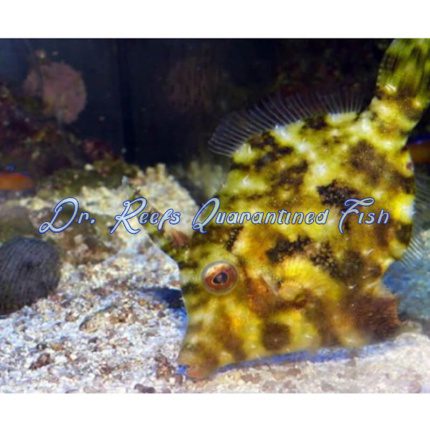
Aiptasia Eating Filefish
Price range: $99.99 through $114.99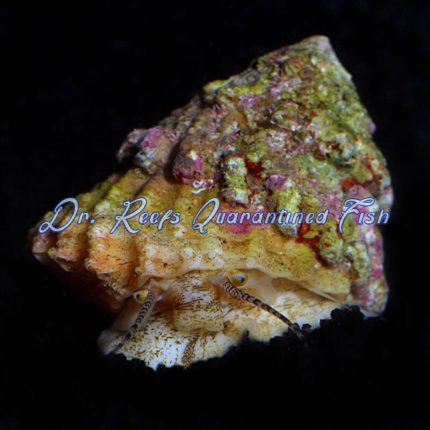
Astraea Snail
Price range: $29.99 through $79.99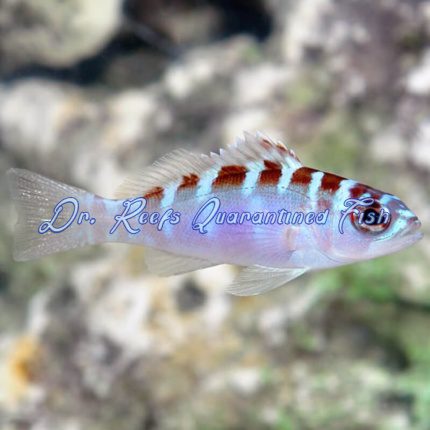
Chalk Bass (Wild Caught)
Price range: $49.99 through $57.99
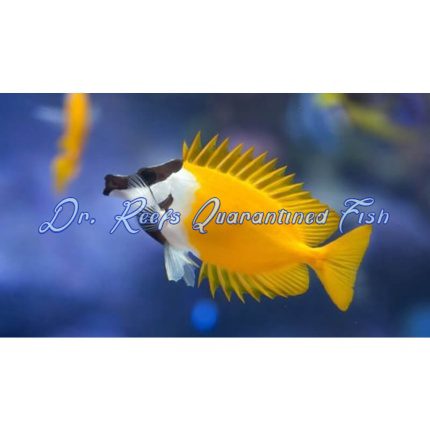
Foxface
Price range: $149.99 through $172.99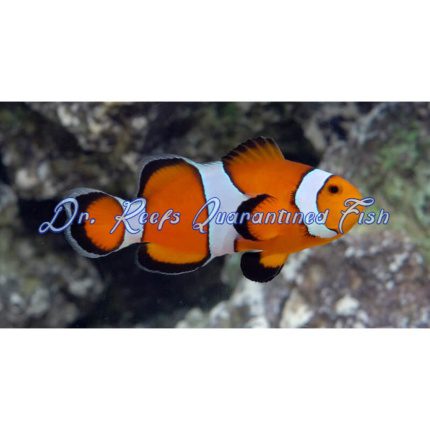
Ocellaris Clownfish
Price range: $29.99 through $57.99
pitboss81 –
I DONT HAVE A SINGLE COMPLAIN amazing costumer service every email was responded within one hour and the most important i asked for small fish i got what i asked for and fish arrived healthy, happy and eating like a champ I’m verry happy with DR REEF i will never get my fish or corals from anywhere else