
Black Ice Bonded Pair
$199.99
Amphiprion ocellaris
| Care Level | Beginner to advanced |
| Temperament | Peaceful to semi-aggressive |
| Color Form | Black body with irregular white ice-like markings |
| Diet | Omnivore |
| Reef Compatible | Reef-safe |
| Water Conditions | sg 1.023–1.025, 74–80°F, pH 8.1–8.4 |
| Max Size | 4“ |
| Family | Pomacentridae |
| Minimum Tank Size | 25 gallons |
3-Day Guarantee
Approximate Purchase Size: Small: 1″ to 1.25″; Medium: 1.25″ to 1.75″; Large: 1.75″ to 2.25″
Black Ice Bonded Pair
Also known as the Black Snowflake Ocellaris Bonded Pair
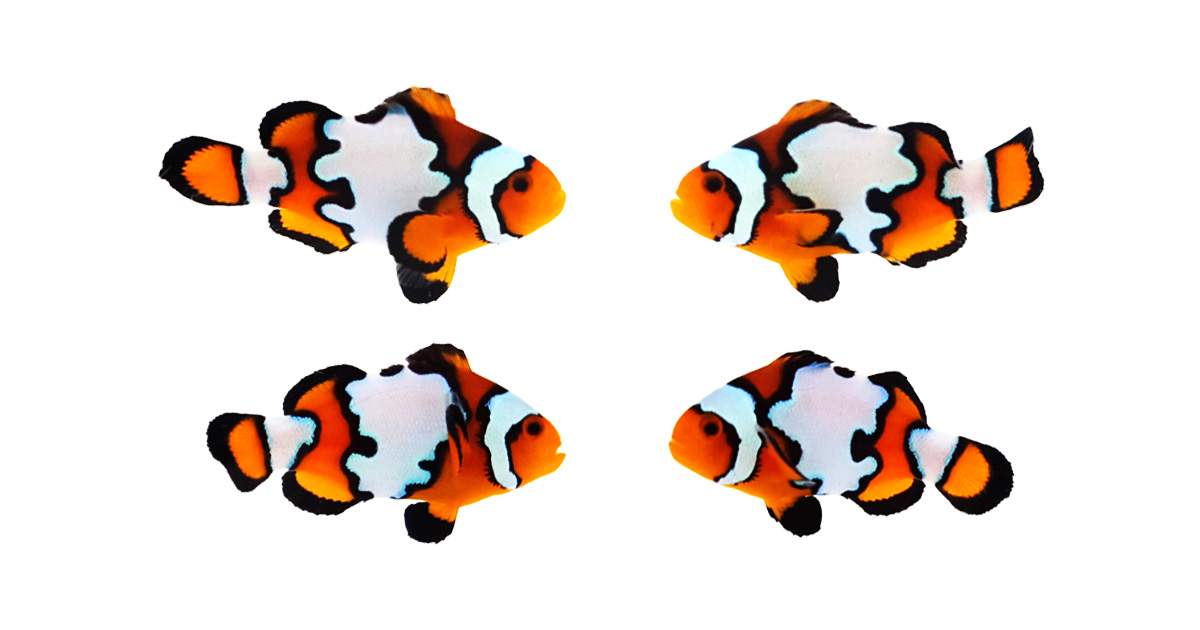
The Black Ice Clownfish represents one of the most visually stunning designer clownfish variants ever developed, featuring a deep jet-black body adorned with pure white irregular patterns and markings that resemble frost crystals on a dark winter surface. This premium designer morph combines melanistic (black) genetics with the intricate white patterning of Snowflake variants, creating fish that are truly one-of-a-kind works of art. Offering a bonded pair provides aquarists with an established male-female relationship, fascinating social dynamics, and the exciting potential for breeding behavior in the home aquarium. These captive-bred beauties deliver maximum visual impact while maintaining the legendary hardiness and engaging personality that make clownfish the most beloved marine aquarium fish.
Key Features
Scientific Name: Amphiprion ocellaris (Designer variant – Black Ice/Black Snowflake morph)
Common Names: Black Ice Clownfish, Black Snowflake Clownfish, Midnight Snowflake, Black Designer Ocellaris
Adult Size: 3–4 inches (7.5–10 cm) for females; 2.5–3.5 inches for males
Lifespan: 8–15+ years with proper care
Temperament: Peaceful to semi-aggressive; generally peaceful toward most tankmates but territorial around host
Reef Compatibility: 100% reef-safe
Minimum Tank Size: 25 gallons
Experience Level: Beginner to Advanced
Pair Status: Bonded – established social hierarchy with larger dominant female and smaller subordinate male
Breeding: Captive-bred only; potential breeding stock with premium genetics
Habitat & Tank Requirements
Natural Habitat: As a designer captive-bred variant, Black Ice Clownfish have no wild counterpart. They descend from Ocellaris clownfish, which naturally inhabit sheltered lagoons, coastal reefs, and protected bays of the Indo-Pacific, typically living symbiotically with host anemones.
Tank Environment:
- Optional host anemone or suitable coral substitute for pair bonding and natural behavior
- Substantial live rock structure with caves, ledges, and swimming areas
- Multiple hiding spots to reduce initial stress during acclimation
- Moderate water flow with calmer zones near potential host areas
- Stable, mature aquarium (2–3 months established recommended)
- Clean, well-maintained system crucial for showcasing premium coloration
Water Parameters:
- Temperature: 74–80°F (23–27°C)
- Salinity: 1.023–1.025 specific gravity
- pH: 8.1–8.4
- Ammonia/Nitrite: 0 ppm
- Nitrate: <20 ppm (lower preferred for breeding condition and optimal coloration)
- Alkalinity: 8–12 dKH
- Stability: Consistent parameters critical for pair bonding and spawning behavior
Essential Equipment:
- Quality protein skimmer (important for pairs producing more waste)
- Robust filtration system
- Stable, high-quality LED lighting to showcase black/white contrast
- Regular water changes (15–20% biweekly minimum)
- Excellent water quality maintains premium coloration and breeding condition
Diet & Feeding
Black Ice Clownfish are enthusiastic omnivores with hearty appetites. Bonded pairs often feed together and proper nutrition is essential for maintaining their stunning coloration, overall health, and breeding condition.
Recommended Foods:
- Pellets/Flakes: Premium marine pellets, color-enhancing formulas with astaxanthin, spirulina-enriched foods, melanin-supporting diets
- Frozen Foods: Mysis shrimp (primary staple), enriched brine shrimp, cyclops, finely chopped krill, bloodworms, chopped clams
- Meaty Foods: Marine fish flesh, finely minced squid, plankton-based preparations
- Plant Matter: Spirulina flakes, nori sheets (occasional grazing), marine algae
- Breeding Formulas: High-protein preparations with omega fatty acids (for breeding pairs)
- Specialty Foods: Black clownfish color-enhancing diets, designer clownfish formulations
- Enrichment: Vitamin-soaked foods (Selcon, VitaChem), garlic-enriched preparations for immune support
Feeding Schedule:
- Feed 2–3 times daily for optimal health and breeding condition
- Offer variety to maintain deep black coloration and crisp white patterns
- Provide sufficient food for both pair members without overfeeding
- Target feed if other competitive tankmates present
- Well-fed pairs are more likely to spawn
Color Maintenance:
- Foods rich in carotenoids and astaxanthin maximize contrast
- High-quality protein supports melanin production for intense black coloration
- Spirulina and vitamin C maintain overall vibrancy and white pattern clarity
- Consistent quality diet prevents color fading or dullness
- Premium nutrition showcases full beauty of designer genetics
Behavior & Compatibility
Temperament:
- Generally peaceful but establish defined territory around host area
- Bold and confident once acclimated
- Highly interactive with aquarist; often greet owners during feeding
- More assertive during spawning cycles but rarely aggressive toward dissimilar tankmates
- Fascinating pair dynamics with clear hierarchical behaviors
Pair Dynamics:
- Female (Larger): Dominant, controls territory, leads during swimming
- Male (Smaller): Submissive, tends eggs, maintains host area, supports female
- Clear size differential with female noticeably larger and more robust
- Display synchronized swimming patterns and communication behaviors
- Courtship behaviors include chasing, quivering, and nest preparation
- Strong pair bonds rarely break once established
- May become more territorial 1–2 weeks before spawning
Social Interactions:
- Pairs constantly interact through body language and positioning
- Male is attentive to female, following and responding to her movements
- Both participate in host maintenance and territory defense
- Spawning pairs work together in egg care (female lays, male guards and tends)
Tank Mates:
- Compatible with: Most peaceful community reef fish including gobies, dartfish, firefish, cardinalfish, basslets, small peaceful wrasses, dwarf angelfish, tangs, blennies, anthias
- Caution with: Aggressive dottybacks, other clownfish species (may trigger territorial response), large predatory fish
- Avoid: Other clownfish in tanks under 75 gallons, aggressive triggers, large groupers, frogfish, or lionfish
- Excellent with: All corals, anemones, shrimp, snails, crabs, and reef invertebrates
Territory Size:
- Pairs typically claim 12–18 inch radius around chosen host
- May expand territory during spawning periods
- Less territorial in larger aquariums (50+ gallons)
- Rarely bother fish that stay away from host area
Reef Compatibility:
- 100% reef-safe; completely compatible with all coral types
- Safe with SPS, LPS, soft corals, anemones, and all invertebrates
- Will not harm zoanthids, mushrooms, or any sessile invertebrates
- May rearrange small pieces of rubble near spawning site
- Ideal for any mixed reef aquarium configuration
Acclimation & Care Tips
Initial Acclimation:
- Use drip acclimation method over 60–90 minutes for pairs
- Float sealed bag for temperature equalization (15–20 minutes)
- Dim or turn off tank lights during introduction and for first 24–48 hours
- Add both fish simultaneously to maintain pair bond
- Place near intended host area if anemone or coral present
- Minimize disturbance while pair establishes territory
Settling Period:
- May hide initially for 24–48 hours (normal stress response)
- Usually emerge and begin exploring within first day
- Feeding response typically returns within 12–24 hours
- Full confidence and territory establishment within 3–7 days
- May take 1–2 weeks to fully settle into hosting behavior
Health Considerations:
- Captive-bred designer clownfish are exceptionally hardy
- Can experience stress from shipping; quarantine eliminates this risk
- Susceptible to marine ich (Cryptocaryon) and marine velvet (Amyloodinium) only when stressed
- Quarantine for 3–4 weeks before display tank introduction (best practice)
- Pairs often support each other through minor stress periods
- Respond excellently to treatment if health issues arise
Color & Pattern Characteristics
Coloration Details:
- Base Color: Deep jet-black to rich charcoal black body
- Pattern Type: Irregular white markings resembling ice crystals, frost, or snowflakes
- Pattern Coverage: Varies by individual; ranges from minimal to extensive white
- Pattern Style: Abstract, artistic arrangements unique to each fish
- Fins: Black with varying degrees of white edging, spots, or patches
- Eyes: Brilliant orange-red iris providing dramatic contrast against black body
- White Quality: Pure, clean white (not cream or yellow-tinted)
Factors Affecting Visual Impact:
- Diet Quality: Premium foods maintain deep black intensity
- Water Quality: Pristine conditions preserve color vibrancy
- Lighting: Proper spectrum showcases contrast dramatically
- Stress Levels: Stress may cause temporary slight color dulling
- Background: Dark backgrounds enhance white pattern visibility
- Photography: High contrast makes them exceptional photo subjects
Anemone Hosting Behavior
Visual Pairing Recommendations:
- Black Ice pairs stunning against bright green Bubble Tip Anemones
- Purple or rose BTAs create exceptional color contrast
- Orange or red BTAs complement the orange eyes beautifully
- Natural brown/tan anemones allow black/white contrast to dominate
- Consider anemone color when planning display aesthetic
Breeding Potential & Spawning Behavior
Why Bonded Pairs Are Ideal for Breeding:
- Established social hierarchy eliminates aggressive pairing phase
- Already display courtship and pre-spawning behaviors
- Higher probability of successful spawning in home aquariums
- Skip months-long (sometimes unsuccessful) pairing process
- Both fish are mature and breeding-ready
- Proven compatibility reduces risk
Pre-Spawning Indicators:
- Increased territorial behavior around chosen flat surface
- Female’s abdomen becomes noticeably fuller and rounder
- Male meticulously cleans spawning site (rock, tile, glass, cave side)
- Both fish display intensified coloration
- Pair performs elaborate courtship dances and synchronized swimming
- Male becomes even more attentive to female
- Spawning typically occurs 1–2 weeks after preparation begins
Lighting for Color & Breeding:
- Full-spectrum LED lighting showcases black/white contrast
- Blue/actinic spectrum makes white patterns appear brilliant
- Moderate to high PAR if maintaining host anemone
- Stable photoperiod (8–10 hours) supports spawning cycles
- Lunar simulation may encourage spawning (optional)
Water Quality for Breeding:
- Nitrates <10 ppm ideal for breeding pairs
- Stable alkalinity and calcium if maintaining corals/anemone
- Consistent temperature (avoid fluctuations >2°F)
- Regular water changes (20% weekly during breeding periods)
- High-quality protein skimming
- Carbon filtration for water clarity
Quarantine Protocol for Premium Pairs
Why Quarantine is Essential for Designer Pairs: When you invest in a premium Black Ice bonded pair, quarantine is not just recommended, it’s essential protection for your investment and your display aquarium. Our quarantined pairs have undergone:
Comprehensive Health Monitoring:
- Minimum 3–4 week observation period for both fish
- Daily health checks for behavior, appetite, and physical condition
- Monitoring of pair dynamics and compatibility confirmation
- Verification of established hierarchy and bonding behaviors
Pair Verification:
- Confirmed size differential (female 20–30%+ larger than male)
- Observed pair bonding behaviors and interactions
- Assessment of compatibility and social dynamics
- Documentation of hierarchy and synchronized movements
Dietary Conditioning:
- Both fish readily accept all offered food types
- Training to multiple prepared and frozen foods
- Color-enhancing diet protocols
- Breeding condition nutrition program
Pattern & Color Quality Assessment:
- Black coloration intensity verified under optimal conditions
- White pattern clarity and definition confirmed
- Overall appearance documented
- Premium quality standards met
Preventative Health Protocols:
- Prophylactic treatment when appropriate
- Freshwater dips for external parasite prevention
- Prazi Pro treatment for internal parasites
- UV sterilization in quarantine system
Stress Reduction & Acclimation:
- Optimal water quality during quarantine period
- Proper feeding schedule and nutrition
- Calm environment for bonding maintenance
- Gradual acclimation to display-ready condition
Why Choose Dr Reefs Quarantined Black Ice Bonded Pair?
When you purchase a quarantined Black Ice Bonded Pair from Dr Reefs, you receive:
- Verified Healthy Pair: Both fish confirmed disease-free and thriving
- Established Bond: Proven compatibility with observed pair behaviors
- Premium Genetics: Exceptional Black Ice pattern quality on both specimens
- Breeding Ready: Mature pair in optimal condition for spawning
- Dietary Excellence: Both fish eating multiple prepared foods enthusiastically
- Stress-Free Transition: Properly acclimated and ready for your display tank
- Investment Protection: Your premium pair arrives healthy and ready to thrive
- Expert Support: Ongoing guidance for care, breeding, and long-term success
This comprehensive quarantine protocol provides peace of mind that your Black Ice bonded pair will be an immediate success and a stunning centerpiece in your aquarium for many years to come.
| Service Level | Quarantined |
|---|
1 review for Black Ice Bonded Pair
You must be logged in to post a review.
Related products
Aiptasia Eating Filefish
$99.99
Midas Blenny
$99.99
Moorish Idol
$179.99
Nassarius Snail Large
Price range: $19.99 through $69.99
Ocellaris Clownfish
Price range: $29.99 through $49.99
ChipnChele –
Arrived alive and active. I followed acclimation instructions and released into my 130 gallon. No Lights for about 8 hours. Dropped in some frozen Brine Shrimp and they actively fed. Next day they are actively swimming and exploring. Beautiful fish.