
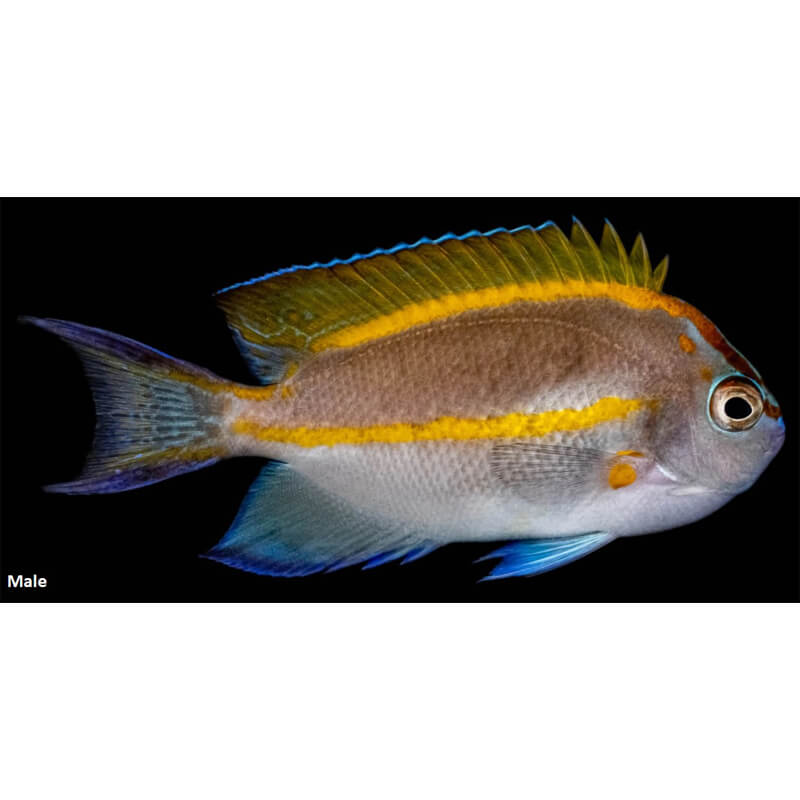

Bellus Angelfish (Male)
$369.99
Genicanthus bellus
| Care Level | Moderate |
| Temperament | non-aggressive |
| Color Form | Black and white/pale yellow, Electric blue accents on dorsal and anal fins, Yellow highlights on caudal fin |
| Diet | Planktivorous |
| Reef Compatible | Reef-safe |
| Water Conditions | 72–78°F (22–26°C), Sg 1.023–1.025 specific gravity, pH: 8.1–8.4, 8–12 dKH |
| Max Size | 8″ |
| Family | Pomacanthidae |
| Minimum Tank Size | 125 gallons |
3-Day Guarantee
Approximate Purchase Size: Small: 1-2.5″; Medium: 2.5-3.75″; Large: 4-5″
Bellus Angelfish (Male)
Also known as the Ornate Angelfish
The male Bellus Angelfish is a stunning and distinctive deepwater species native to the Western Pacific Ocean. Males display dramatic coloration with bold alternating vertical bands of black and white-yellow, elongated dorsal fin streamers, and a commanding presence. This peaceful planktivore is highly prized for its striking appearance and reef-safe nature, making it an exceptional choice for larger reef aquariums seeking a centerpiece angelfish.
Key Features
- Scientific Name: Genicanthus bellus
- Common Names: Bellus Angelfish, Ornate Angelfish
- Adult Size: 7–8 inches (18–20 cm) for males
- Lifespan: 10–15+ years with proper care
- Temperament: Peaceful toward most species; territorial toward other male Genicanthus
- Reef Compatibility: Reef-safe – does not typically bother corals or invertebrates
- Minimum Tank Size: 125 gallons (180+ gallons for harems)
- Experience Level: Intermediate – requires stable conditions and gradual acclimation
Habitat & Tank Requirements
Natural Habitat: Found on outer reef slopes and steep drop-offs at depths of 50–180 feet. Males maintain harems of 2–5 females in their territories, actively swimming in the water column where they feed on passing zooplankton in current-rich environments.
Tank Environment:
- Ample open swimming space in the mid to upper water column
- Moderate live rock structure with caves and overhangs
- Strong, varied water flow to simulate natural reef currents
- Peaceful to semi-aggressive tank community
- Stable, mature aquarium (4–6 months established minimum)
- Moderate to subdued lighting (deepwater species adaptation)
- Territory establishment area for male
Water Parameters:
- Temperature: 72–78°F (22–26°C)
- Salinity: 1.023–1.025 specific gravity
- pH: 8.1–8.4
- Ammonia/Nitrite: 0 ppm
- Nitrate: <20 ppm (lower preferred)
- Alkalinity: 8–12 dKH
- Dissolved Oxygen: High levels (important for deepwater species)
Essential Equipment:
- High-quality protein skimmer
- Efficient biological and mechanical filtration
- Multiple powerheads for strong, varied flow
- Regular water changes (15–20% biweekly minimum)
- UV sterilizer (optional but beneficial for parasite control)
Diet & Feeding
Male Bellus Angelfish are obligate planktivores, feeding exclusively on zooplankton in the water column in their natural habitat. They require frequent, protein-rich feedings throughout the day.
Recommended Foods:
- Frozen Foods: Mysis shrimp, enriched brine shrimp, cyclops, copepods, finely chopped krill, fish roe, plankton cubes
- Pellets/Flakes: High-quality marine pellets (small to medium size), spirulina-enriched formulas, color-enhancing foods
- Prepared Mixes: Angelfish formula blends, plankton-based preparations, zooplankton mixes
- Live Foods (transition): Live brine shrimp, copepods (particularly helpful during acclimation)
- Plant Matter: Small amounts of spirulina, nori (less important than for other angelfish species)
- Supplements: Vitamin C-enriched foods, omega fatty acids, astaxanthin for color
Feeding Schedule:
- Feed 3–4 times daily in smaller portions (mimics natural constant grazing)
- Offer variety to ensure complete nutritional profile
- Suspend food in water column rather than allowing it to sink
- May benefit from automatic feeder for consistent meals throughout day
- Target feed if kept with aggressive eaters
Note: As active planktivores with high metabolisms, Bellus Angels require more frequent feedings than typical angelfish. Multiple small meals distributed throughout the day are far superior to one or two large feedings.
Behavior & Compatibility
Temperament:
- Generally peaceful toward non-Genicanthus species
- Can be territorial toward other male Genicanthus angelfish
- Actively patrols territory in upper water column
- May display to females in aquarium
- Becomes bold and confident once established
- Less aggressive than most other large angelfish species
Social Structure:
- In nature, maintains harem of 2–5 females
- One male per tank unless system exceeds 300+ gallons with multiple territories
- Can be kept with multiple females (2–4 recommended in 180+ gallon tanks)
- Will display breeding behaviors including courtship swimming
- Establishes and defends territory against other Genicanthus males
Tank Mates:
- Compatible with: Peaceful to semi-aggressive tangs, wrasses, fairy wrasses, anthias, peaceful butterflyfish, dartfish, chromis, cardinalfish, peaceful gobies, blennies
- Caution with: Fast, aggressive feeders may outcompete for food; introduce male after most other fish established
- Avoid: Aggressive large angelfish, triggers, large dottybacks, aggressive groupers, lionfish (may eat smaller tankmates the male is compatible with)
Reef Compatibility:
- Reef-safe: Does not nip at corals
- Safe with all SPS, LPS, and soft corals
- Will not bother clams, anemones, or other sessile invertebrates
- Rarely picks at zoanthids (extremely uncommon)
- May consume parasitic flatworms and small crustaceans
- One of the best choices for large angelfish in reef systems
Acclimation & Care Tips
Initial Acclimation:
- Extended drip acclimation over 2–4 hours (deepwater species require slow, careful acclimation)
- Dim tank lights for first 48–72 hours
- Minimize traffic and disturbances around aquarium
- Provide secure hiding spots for initial retreat
- May take 3–7 days to begin feeding confidently
- Introduce after most other fish are established to reduce stress
Health Considerations:
- Moderately sensitive to rapid water parameter changes
- Susceptible to marine ich (Cryptocaryon irritans) and velvet (Amyloodinium ocellatum)
- Deepwater collection creates stress vulnerability
- Can develop lateral line erosion (HLLE) in poor water conditions or with nutritional deficiencies
- Prone to weight loss if not feeding adequately
- Quarantine for 4–6 weeks minimum before adding to display tank
Signs of a Healthy Specimen:
- Active, graceful swimming throughout mid-water column
- Bold, confident behavior once acclimated
- Vibrant coloration with sharp contrast in banding
- Clear, bright eyes
- Full-bodied appearance (not thin or pinched)
- Eager, consistent feeding response
- Smooth, intact fins with elongated dorsal streamers
- No rapid breathing, flashing, or scratching behavior
- No visible spots, lesions, or discoloration
Acclimation Challenges:
- May be shy initially and hide frequently
- Can take several days to begin feeding in new environment
- Benefits from presence of peaceful, active tankmates
- Live foods may stimulate feeding response during transition
- Deepwater origins make them more delicate than shallow-water species
Color & Development
Male Coloration: Males display dramatic, unmistakable appearance:
- Bold vertical bands alternating between black and white/pale yellow
- Typically 4–5 complete bands across body
- Electric blue accents on dorsal and anal fins
- Elongated, flowing dorsal fin streamers
- Yellow highlights on caudal fin
- Blue facial markings and gill plate accents
- Overall high-contrast, striking appearance
Female Coloration (for comparison): Females are dramatically different:
- Cream to pale yellow body
- Horizontal black stripes with blue edges
- More subdued, delicate appearance
- Shorter, rounded fins without streamers
Sex Change & Development: Genicanthus species are protogynous hermaphrodites:
- All individuals begin life as females
- Largest, most dominant female will transform into male when no male is present
- Transformation process takes 2–6 months
- Color change is gradual: horizontal stripes fade while vertical bands appear
- Fin extensions develop during transformation
- Triggered by absence of dominant male or social hierarchy cues
- Only one male per territory in wild; same principle applies in aquariums
Maintaining Male Status:
- Presence of another male Genicanthus will maintain sex of both (provided adequate space)
- Removing male may trigger female-to-male transformation in largest female
- Harem structure with one male and multiple females is most stable
Special Considerations
Deepwater Collection: Bellus Angelfish are collected from depths of 50–180 feet, presenting specific challenges:
- Decompression stress from rapid ascent
- More sensitive to temperature and parameter fluctuations initially
- Require extended acclimation and observation period
- Choose specimens held by retailer for 2–4 weeks minimum
- Quarantined specimens have significantly higher survival rates
Harem Setup: For natural breeding behavior display:
- Minimum 180-gallon tank for one male with 2–4 females
- Introduce all females first, then add male last
- Provide adequate swimming space for all individuals
- Monitor for aggression during male introduction (rare but possible)
- Males will display courtship behaviors including circling and fin displays
- Spawning may occur but larval rearing is extremely difficult
Feeding Requirements: Due to high metabolism and planktivore diet:
- Cannot thrive on once or twice daily feeding
- Require 3–4+ small meals throughout day
- May lose weight rapidly if underfed
- Monitor body condition closely
- Automatic feeders can be beneficial for consistent nutrition
- Target feeding may be necessary with aggressive tankmates
Fin Damage: Males’ elongated dorsal streamers are vulnerable:
- Avoid housing with known fin-nippers
- Ensure adequate swimming space
- Monitor for damage from aggressive tankmates
- Fins will regenerate if damaged, but regrowth takes time
Breeding Behavior in Aquariums
Courtship Display: Males will display to females with:
- Rapid swimming in circular patterns
- Fin spreading and quivering
- Color intensification
- Positioning alongside female
Spawning:
- Occurs at dusk in nature; may happen in aquariums
- Pair rises quickly in water column while releasing gametes
- No parental care; eggs are pelagic
- Larval rearing in home aquariums is not practical (larval stage requires microscopic foods)
Quarantine Protocol
Why Quarantine is Critical: Male Bellus Angelfish are deepwater species that experience significant physiological stress during collection. Their delicate nature, combined with susceptibility to parasites, makes proper quarantine essential for long-term success.
Our Quarantine Process:
- Observation Period: 6–8 weeks minimum
- Decompression Recovery: Extended time for deepwater species to stabilize
- Parasite Prevention: Prophylactic treatment for marine ich, velvet, and flukes
- Dietary Conditioning: Training to accept varied frozen and prepared foods
- Stress Reduction: Low-traffic, stable environment for recovery
- Health Monitoring: Daily observation of feeding behavior, body condition, and activity level
- Parameter Stability: Gradual acclimation to standard aquarium conditions
- Weight Maintenance: Ensuring robust body condition with multiple daily feedings
Why Choose a Quarantined Bellus Angelfish?
Purchasing a properly quarantined male Bellus Angelfish provides critical advantages for this delicate deepwater species. Our extended quarantine protocol ensures your angelfish has fully recovered from collection stress, is feeding enthusiastically on multiple prepared foods, and has been preventatively treated for parasites. Males, being larger and more metabolically demanding than females, particularly benefit from this conditioning period. This careful preparation dramatically improves survival rates and allows you to confidently add this spectacular, reef-safe centerpiece fish to your established aquarium, where it will thrive and display its natural behaviors for years to come.
| Service Level | Quarantined |
|---|
You must be logged in to post a review.
Related products
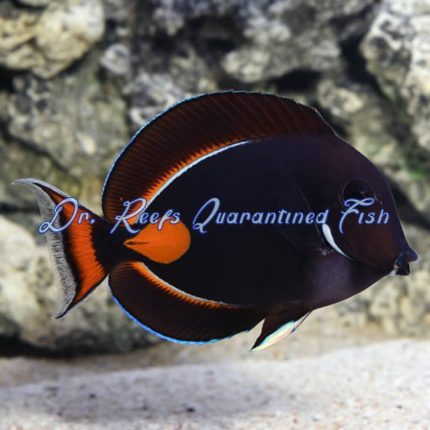
Achilles Tang
Price range: $549.99 through $649.99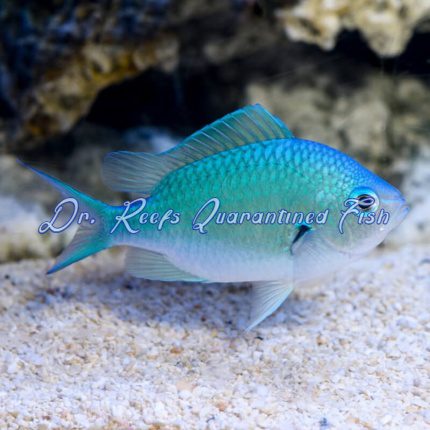
Chromis
Price range: $19.99 through $39.99
Coral Beauty Angelfish
$79.99
Mandarin – Blue/Green (Wild Caught)
$79.99
Margarite Snail
Price range: $11.99 through $54.99
Reviews
There are no reviews yet.