
Foxface Rabbitfish

Foxface Rabbitfish: Benefits, Care, and Algae Control
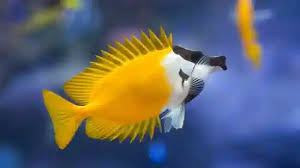
Few fish in the saltwater hobby combine bold looks with practical reef benefits as effectively as the Foxface Rabbitfish (Siganus vulpinus). Immediately recognizable by its bright yellow body, dramatic black-and-white fox-like facial markings and elongated snout, the Foxface is both a visual centerpiece and one of the best natural algae controllers available for home aquariums.
Natural Habitat and Origins
The Foxface Rabbitfish is native to the reef environments of the Western Pacific, inhabiting lagoons and seaward reefs with abundant coral growth from roughly 30°N to 30°S. In the wild it grazes almost continuously throughout the day, covering large areas of reef and consuming a wide variety of macroalgae. It typically occurs singly or in pairs in adult life, though juveniles and sub-adults can form larger loose schools in sheltered reef areas.
Adults can reach up to 9 inches in length, and while juveniles are often sold at smaller sizes, planning for full adult size from the outset is important.
Algae Control Benefits
The Foxface’s greatest asset for reef keepers is its appetite. It is widely considered one of the most effective and willing algae eaters available, consuming problematic nuisance algae including green hair algae, bubble algae, film algae and various macroalgae that accumulate on rockwork. In a well-established tank a Foxface will patrol and graze continuously from morning to evening. Hobbyists dealing with persistent algae outbreaks often report that a single Foxface makes a visible difference within days of introduction.
This grazing behavior also benefits coral health indirectly by preventing algae from overgrowing and shading coral colonies. A word of caution: the Foxface cannot distinguish between nuisance algae and desirable macroalgae in a refugium or display. It will graze what is available, so protect any algae you want to keep.
Tank Setup and Care
A minimum of 75 gallons is recommended for a single Foxface, with 125 gallons or more providing the best long-term environment. The aquarium should include plenty of open swimming space as this fish is an active mover throughout the day. Live rock formations with caves and overhangs serve as both grazing surfaces and shelter. The Foxface appreciates hiding spots and will use them when startled or resting.
Maintain standard reef parameters: temperature 72 to 78°F, pH 8.1 to 8.4, salinity 1.023 to 1.025, and moderate to strong water flow. The Foxface is a hardy and disease-resistant species that adapts well to aquarium life once settled.
Only one Foxface should be kept per tank unless the system is exceptionally large. Two Foxfaces in a standard-sized system will result in territorial conflict.
Diet
While the Foxface is an outstanding algae grazer, home aquariums do not typically produce enough algae to meet all its nutritional needs. Supplement the diet with nori sheets attached to a veggie clip, spirulina-based flake or pellet foods, and herbivore frozen preparations. Occasional meaty foods such as mysis shrimp can be offered a couple of times per week. Feed two to three times daily and ensure there is always some seaweed available for continuous grazing. A well-fed Foxface is far less likely to investigate corals or soft invertebrates out of hunger.
The Venomous Spines
The Foxface possesses venomous dorsal spines that it raises as a defense mechanism when threatened or startled. These spines pose no danger to other fish under normal conditions, but they are capable of delivering a painful sting to humans during tank maintenance. Never reach directly toward a Foxface with bare hands, and use tools when moving rocks near where the fish is resting.
Interestingly, these spines give the Foxface a degree of protection from aggressive tankmates that most other peaceful fish lack, making it a somewhat more versatile community fish.
Reef Safety
The Foxface is considered reef safe with caution. Well-fed individuals routinely ignore corals, clams and other sessile invertebrates entirely. The risk of coral nipping increases primarily when the fish is underfed or lacks sufficient algae to graze. Keep the diet consistent and generous, and most Foxface owners report no coral-related issues.
Dr. Reef’s Quarantined Fish carries the Foxface Rabbitfish and ensures each specimen is quarantined, eating prepared foods and in excellent health before reaching your display tank.