
Harlequin Tusk (Aussie)
$349.99
Choerodon fasciatus
| Care Level | Intermediate to Advanced |
| Temperament | Semi-aggressive; can be territorial |
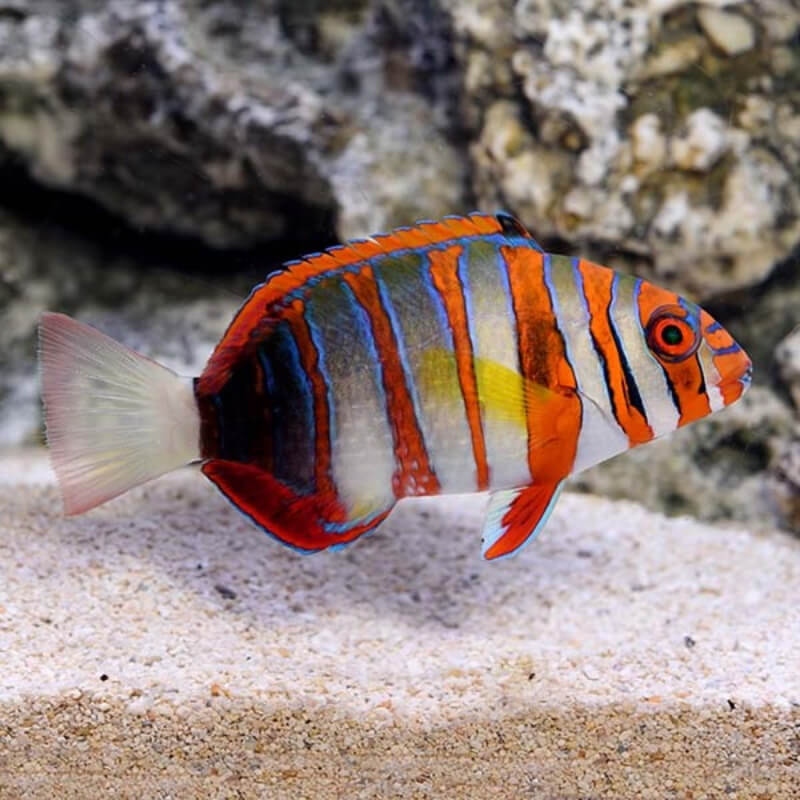
| Color Form | Orange-red and white vertical bands with brilliant electric blue teeth and facial markings |
| Diet | Carnivore |
| Reef Compatible | Not reef safe |
| Water Conditions | sg 1.020–1.025, 72–78°F, pH 8.1–8.4 |
| Max Size | 12“ |
| Family | Labridae |
| Minimum Tank Size | 125 gallons |
Live Arrival Guarantee
Description
Harlequin Tusk (Aussie)
Also known as Australian Harlequin Tusk, Harlequin Tuskfish, Aussie Tusk
The Australian Harlequin Tusk is one of the most spectacular and sought-after wrasse species, featuring vibrant orange-red and white vertical bands with brilliant electric blue teeth and facial markings. Australian specimens are renowned for superior coloration, larger size, and hardier nature compared to Indo-Pacific variants. This intelligent, personable wrasse becomes a true centerpiece fish and pet, recognizing its owner and displaying remarkable personality. While expensive, the Aussie Tusk is considered the premium variant of this iconic species.
Key Features
- Scientific Name: Choerodon fasciatus
- Common Names: Australian Harlequin Tusk, Aussie Tusk, Harlequin Tuskfish
- Adult Size: Up to 10-12 inches (Australian specimens grow larger than Indo)
- Lifespan: 15-20+ years with proper care
- Temperament: Semi-aggressive; can be territorial
- Reef Compatibility: Not reef safe; will consume invertebrates and may disturb rockwork
- Minimum Tank Size: 125 gallons minimum
- Experience Level: Intermediate to Advanced; requires large system and specialized diet
Habitat & Tank Requirements
Tank Environment: Requires large tank with substantial open swimming space and extensive rockwork with caves for sleeping. Provide a deep sand bed (2-3 inches minimum) as wrasses may bury when stressed. Strong water flow was appreciated. Secure all rockwork firmly as this species can move rocks and shells.
Water Parameters:
- Temperature: 72-78°F (22-26°C)
- Salinity: 1.020-1.025
- pH: 8.1-8.4
- Excellent water quality essential
Equipment Recommendations:
- High-capacity filtration system
- Large protein skimmer
- Strong water circulation
- Secure, tight-fitting lid (excellent jumper)
- Sand substrate (fine to medium grain)
Australian specimens require pristine conditions for optimal health and coloration.
Diet & Feeding
Australian Harlequin Tusks are carnivores with powerful teeth requiring hard-shelled foods.
Recommended foods include:
- Primary: Frozen krill, frozen mysis shrimp, frozen squid, chopped clams
- Hard-shelled foods: Snails, small crabs, shrimp with shells, clams, mussels (ESSENTIAL)
- Variety: Chopped scallops, chopped fish, marine flesh
- Live foods: Occasional live snails, small crabs for enrichment
- Supplements: Vitamin-enriched foods regularly
Feeding Frequency: Once or twice daily
Special Note: MUST have regular hard-shelled foods to wear down continuously growing teeth. Blue teeth are actually modified canines that grow throughout life. Without proper hard foods, teeth can overgrow. Excellent appetite once established.
Social Structure & Compatibility
- Tankmates: Best with other large, robust semi-aggressive fish
- Territorial: Can be aggressive, especially toward other wrasses or similar fish
- Predatory: Will eat small fish, shrimp, crabs, snails, small hermit crabs
- Aggression: May become increasingly territorial with age
- Reef Safety: Will consume all crustaceans and may move rockwork
Notes & Considerations
- Premium Australian variant: Superior coloration and hardiness compared to Indo specimens.
- Vibrant orange-red and white vertical banding pattern.
- Brilliant electric blue teeth and facial markings: Absolutely stunning.
- Blue coloration on teeth and face is more intense in Australian specimens.
- Larger adult size than Indo-Pacific variants (10-12 inches vs 8-10 inches).
- Australian specimens are significantly more expensive but worth a premium for serious aquarists.
- Better survival rates and adaptation to captivity than Indo variants.
- More resistant to disease and stress-related issues.
- Extremely intelligent and personable: One of the most interactive wrasses.
- Quickly recognizes the owner and comes to glass for attention.
- Can be trained to hand-feed with patience.
- Often follows the owner around the tank like a puppy.
- Develops a strong personality and becomes a true “pet fish.”
- Distinctive blue teeth used for crushing hard-shelled prey.
- Teeth grow continuously; hard-shelled foods are mandatory for dental health.
- Can crush thick snail shells and crab shells easily.
- Will eat any small fish it can catch and swallow.
- Consumes ALL invertebrates: shrimp, crabs, snails, hermit crabs, urchins.
- May flip rocks and shells searching for hidden prey.
- Can rearrange aquascaping; secure rockwork to prevent collapse.
- Absolutely not suitable for reef aquariums with ornamental invertebrates.
- Best in fish-only or FOWLR systems.
- Can be aggressive toward other wrasses or similar-shaped fish.
- May become territorial toward new additions; introduce carefully.
- Generally tolerates larger, robust tankmates well.
- Excellent jumper: Tight-fitting lid with no gaps is mandatory.
- Many specimens lost to carpet surfing; secure lid critical.
- May bury in sand when first introduced or if severely stressed.
- Burying behavior normal; will emerge once comfortable.
- Provide adequate sand depth for this natural behavior.
- A very active swimmer once established; patrols the entire tank.
- Sleeps in caves or sometimes partially buried in sand at night.
- May undergo slight color changes during sleep (normal).
- Hardy once properly acclimated; disease-resistant.
- Australian specimens are significantly hardier than Indo variants.
- Can live 15-20+ years with proper care; long-term commitment.
- Native to rocky reefs of Northern Australia and Papua New Guinea.
- Collection from Australia subject to strict regulations.
- Limited availability contributes to premium pricing.
- Investment-grade fish for serious marine aquarists.
- Absolutely spectacular centerpiece for large fish-only systems.
- One of the most rewarding large wrasses to keep.
Why Choose a Quarantined Harlequin Tusk (Aussie)?
Purchasing a quarantined Australian specimen from us means you’re starting with the healthiest possible variant of this magnificent species. Australian Tusks are significantly hardier than Indo specimens, but proper quarantine is still essential. All fish are observed, treated as needed, and trained to accept varied foods including essential hard-shelled items for dental health before sale. Given the substantial investment, proper quarantine provides critical protection and ensures optimal health. Australian specimens are worth the premium for their superior coloration, larger size, and exceptional hardiness. This provides the strongest foundation for long-term success with this iconic species. A secure lid is absolutely mandatory to prevent jumping.
Additional information
| Service Level | Quarantined |
|---|
Reviews (0)
You must be logged in to post a review.
Shipping & Delivery
Related products
Select options
This product has multiple variants. The options may be chosen on the product page
Astraea Snail
Price range: $29.99 through $79.99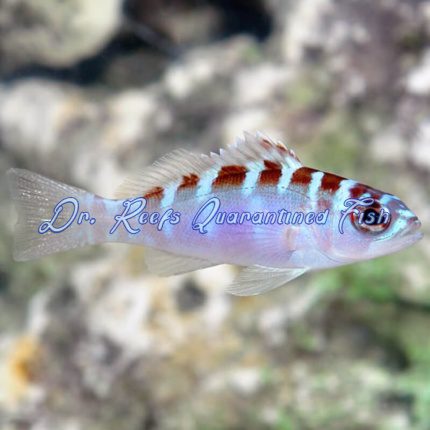
Select options
This product has multiple variants. The options may be chosen on the product page
Chalk Bass (Wild Caught)
$49.99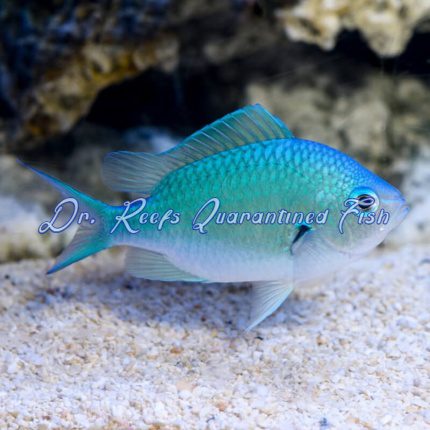
Select options
This product has multiple variants. The options may be chosen on the product page
Chromis
Price range: $19.99 through $39.99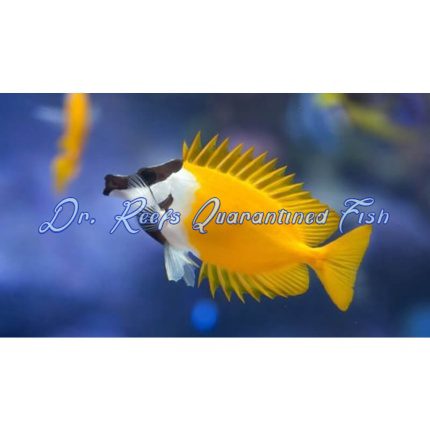
Select options
This product has multiple variants. The options may be chosen on the product page
Foxface
$149.99
Select options
This product has multiple variants. The options may be chosen on the product page
Margarite Snail
Price range: $11.99 through $54.99
Select options
This product has multiple variants. The options may be chosen on the product page
Nassarius Snail Large
Price range: $19.99 through $69.99
Select options
This product has multiple variants. The options may be chosen on the product page
Reviews
There are no reviews yet.