
Fighting Conch
$19.99
Emperor Angelfish (Juvenile)
Price range: $179.99 through $239.99
Flame Angelfish
$169.99
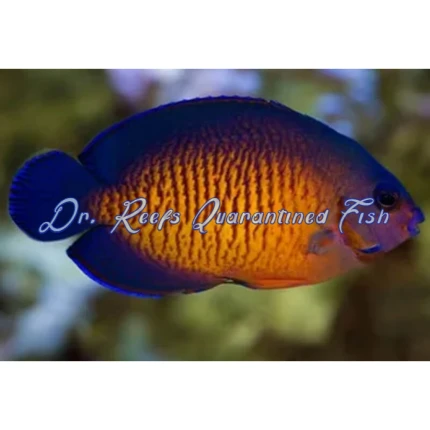
Centropyge loricula
| Care Level | Moderate |
| Temperament | Semi-aggressive |
| Color Form | Blue, Orange, Yellow |
| Diet | Omnivore |
| Reef Compatible | With Caution |
| Water Conditions | sg 1.020-1.025, 72-78° F, dKH 8-12, pH 8.1-8.4 |
| Max Size | 4″ |
| Family | Pomacanthidae |
| Minimum Tank Size | 70 gallons |
3-Day Guarantee
Approximate Purchase Size: Small: 1-2″; Medium: 2-3″; Large: 3-4″
Description
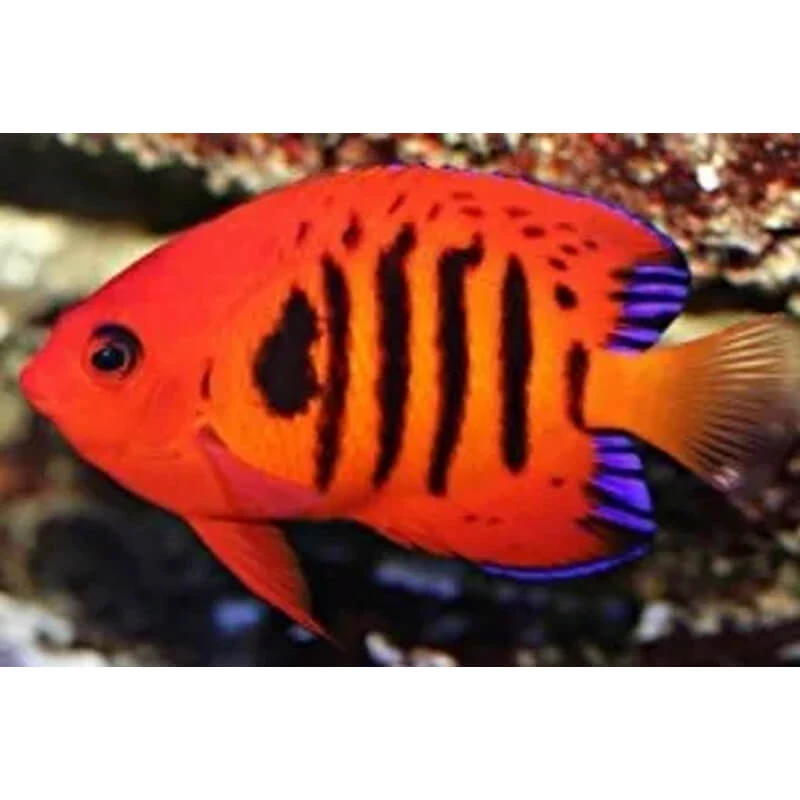
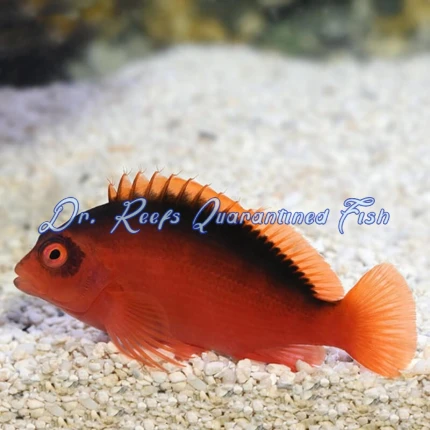
Flame Angelfish
Also known as the Japanese Pygmy Angelfish or Flame Angel
The Flame Angelfish is one of the most brilliantly colored and popular dwarf angelfish in the marine aquarium hobby, instantly recognizable by its intense fiery red-orange coloration. This stunning species combines vivid beauty with relatively hardy nature and manageable size, making it a favorite among both intermediate and advanced marine aquarists. Native to the Pacific Ocean, particularly around Hawaii, the Marshall Islands, and other Central Pacific regions, the Flame Angel’s bold coloration and active personality make it a spectacular addition to appropriate marine systems.
Key Features
- Scientific Name: Centropyge loriculus
- Common Names: Flame Angelfish, Flame Angel, Japanese Pygmy Angelfish
- Adult Size: 4–6 inches (typically 4–5 inches in captivity)
- Lifespan: 5–10+ years with proper care (some specimens exceed 12 years)
- Temperament: Semi-aggressive; territorial with other dwarf angelfish but generally peaceful with other species
- Reef Compatibility: With caution – may nip at soft corals, zoanthids, and clam mantles (individual variation)
- Minimum Tank Size: 70+ gallons recommended
- Experience Level: Intermediate
Habitat & Tank Requirements
- Tank Environment: Provide abundant live rock structures with caves, crevices, and hiding spots. Flame Angels are active swimmers that appreciate both secure refuges and open areas to explore. They spend considerable time investigating rockwork and grazing on algae and biofilm.
- Water Parameters:
- Temperature: 72–78°F (22–26°C)
- Salinity: 1.020–1.025
- pH: 8.1–8.4
- Ammonia/Nitrite: 0 ppm
- Nitrate: <20 ppm
- dKH: 8–12
- Calcium: 380–450 ppm
- Aquascape: Complex rockwork with multiple territories, caves, and natural algae growth. They establish small territories within the rock structure and defend prime grazing areas. Provide visual barriers to reduce aggression if keeping with other semi-aggressive fish.
- Compatibility: Generally peaceful with most fish species but can be aggressive toward other dwarf angelfish, especially other Centropyge species. Compatible with peaceful to semi-aggressive community fish including tangs, wrasses, gobies, clownfish, and dartfish. May harass very shy or passive species. Best added after timid fish are established. Can sometimes be kept in male-female pairs in larger systems (90+ gallons), though this requires careful observation.
Diet & Feeding
Flame Angelfish are omnivores requiring varied, high-quality nutrition:
- Meaty Foods: Mysis shrimp, vitamin-enriched brine shrimp, finely chopped seafood, high-quality marine pellets, frozen carnivore preparations designed for omnivores
- Plant Matter: Marine algae sheets (nori, sea lettuce), spirulina-based foods, natural algae growth on live rock, herbivore flakes and pellets
- Specialty Foods: Angelfish formulas containing sponge material (beneficial for long-term health), color-enhancing preparations with spirulina, astaxanthin, and natural carotenoids
- Live Rock Grazing: Provide abundant live rock with natural film algae, biofilm, and microfauna for continuous grazing behavior—essential for digestive health
- Variety Essential: Maximum dietary variety prevents nutritional deficiencies and maintains vibrant coloration
- Feeding Schedule: Feed 2–3 times daily in small to moderate portions. Flame Angels have active metabolisms and benefit from consistent feeding schedules.
Notes & Considerations
- Behavior: Flame Angels are active, bold, and constantly exploring their environment. They establish territories within rockwork and defend prime grazing areas, particularly against other dwarf angelfish. Once acclimated, they become confident and visible throughout the tank, often swimming in open water between rock structures. They display curious, engaging personalities and frequently interact with other tank mates (usually peacefully).
- Coral Compatibility: Considered “reef-safe with caution.” Success in reef tanks varies significantly by individual specimen. Many aquarists successfully keep Flame Angels in reef systems with no issues, while others experience nipping at soft corals (zoanthids, leather corals, mushrooms), large-polyp stony corals, and clam mantles. Monitoring is essential, and having a backup plan is wise if coral nipping develops.
- Brilliant Coloration: Body color is intense fiery red to red-orange, creating immediate visual impact. Four to five vertical black bars mark the body, with the posterior bars sometimes incomplete or broken. Dorsal and anal fins show elongated filaments with electric blue to purple-blue margins and tips that provide stunning contrast against the red body. The overall effect is one of the most striking color combinations in the dwarf angelfish family. Hawaiian specimens often display the most intense coloration.
- Color Variation: Color intensity varies by collection location and individual genetics. Hawaiian specimens typically show the most vibrant red-orange coloration, while Marshall Islands specimens may show slightly more orange tones. Diet quality, especially foods with natural color enhancers, significantly impacts color maintenance.
- Sexual Dimorphism: Flame Angels are protogynous hermaphrodites. Females typically show slightly duller coloration and smaller size. Males develop more intense red coloration, more pronounced vertical bars, and longer fin extensions. However, differences can be subtle and visual sexing is challenging.
- Acclimation: Generally hardy and adapt well to aquarium life. Provide hiding spots initially. Most specimens settle within a few days and begin feeding readily.
- Aggression Considerations: The primary compatibility concern is aggression toward other dwarf angelfish. Only house with other Centropyge species in very large tanks (120+ gallons) with multiple territories and visual barriers, and even then conflicts may develop. Best kept as the only dwarf angelfish in most systems.
Why Choose a Flame Angelfish?
Flame Angels offer compelling advantages for marine aquarists:
- Spectacular Coloration: Among the most brilliantly colored dwarf angelfish with intense fiery red that creates instant focal points
- Active Personality: Constantly active, exploring, and visible throughout the aquarium—not a shy species once established
- Manageable Size: At 4–5 inches, appropriate for moderate-sized systems while still providing impressive presence
- Relative Hardiness: More adaptable and hardy than many other Centropyge species, suitable for intermediate aquarists
- Wide Availability: Commonly available in the trade with regular supply from established collection areas
- Reasonable Cost: While not inexpensive, more affordable than rare Centropyge species while offering comparable beauty
- Engaging Behavior: Interactive, curious personality that responds to owners and creates visual interest
- Proven Track Record: Decades of successful captive care with well-established husbandry protocols
Our quarantined Flame Angelfish undergo comprehensive care including extended observation periods (minimum 4–6 weeks), premium varied nutrition with color-enhancing foods containing spirulina and natural carotenoids, prophylactic treatments for common marine diseases, and thorough behavioral monitoring. This rigorous approach ensures they arrive healthy, feeding vigorously on multiple food types, completely parasite-free, displaying brilliant coloration, and fully prepared to thrive in your aquarium, providing you with one of the most spectacular dwarf angelfish species available, a living flame that will illuminate your marine system with years of vibrant color, active exploration, and engaging personality that makes every viewing a visual celebration of marine beauty.
Additional information
| Service Level | Quarantined |
|---|
Reviews (4)
4 reviews for Flame Angelfish
You must be logged in to post a review.
Shipping & Delivery
reely989 (verified owner) –
Fish arrived extremely active and healthy. Was swimming around and eating shortly after acclimation. Has great coloration and a great personality! Would highly recommend this fish, and Dr. Reef. Very very happy customer!
Chris Richardson –
I just had to leave a review. My angel came today and the packaging was great, the fish was very active in the bag, it was ready to get in! I was surprised at how quickly it acclimated itself to the tank and it was eating within a couple of hours. I ordered a fully QT fish and while the wait was long it was well worth it fro a healthy fish and piece of mind. It gets along so peacefully with the other fish I have. It looked so healthy too. If you are debating on ordering from here, do it!
Todd Trocki –
I received my quarantined Flame Angel in perfect health. Dr Reef does a great job of communicating, quarantining and shipping. It may take a little bit longer than just buying one somewhere but it is worth the wait knowing you get a perfect specimen. I have placed several orders with Dr Reef and always been happy.
Cee Kay –
Very beautiful fish. He arrived healthy but was shy for several days which was no surprise. He had no problems eating from day one.