
Goldflake Angelfish: A Luxury Reef Fish Worth Owning

Goldflake Angelfish: A Luxury Reef Fish Worth Owning
What actually separates a luxury fish from an expensive one
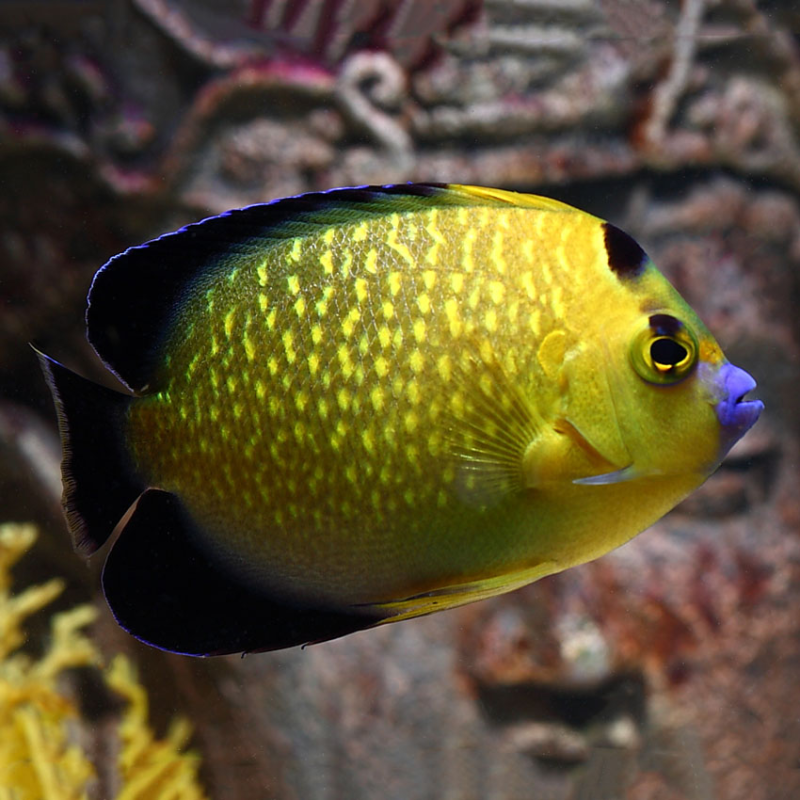
Plenty of fish in this hobby carry a high price tag. Only a handful earn the word “luxury,” and the Goldflake Angelfish is one of them. A deep blue to charcoal body scattered with hundreds of precisely defined golden spots gives it a look that photographs describe as a starry night sky, and no two specimens wear the pattern quite the same way. It’s rare in the wild, historically difficult to keep, and genuinely hard to source. That combination is exactly what makes it worth the investment for the right tank.
If you’re weighing a Goldflake Angelfish for sale against a less expensive centerpiece, here’s what you’re actually paying for, and how to make sure the fish thrives once it’s yours.
Captive-Bred vs. Wild-Caught: A Decision That Matters More Than the Price Tag
This is the single most important choice you’ll make with this species, and it has almost nothing to do with appearance.
Wild-caught Goldflake Angelfish have a well-earned reputation for being finicky, stubborn eaters that struggle through the first weeks in a home aquarium. Many were historically lost before ever settling in, simply because they refused prepared foods. Captive breeding changed that story entirely. Our Goldflake Angelfish (Captive Bred) is priced at $499.99 and is trained on pellets, frozen foods, and prepared diets from an early stage, which means it typically starts feeding within hours of arrival rather than days or weeks. For a fish at this price point, that difference alone can be the line between a thriving centerpiece and a heartbreaking loss.
If you’re set on a wild-collected specimen for its slightly different coloration or larger starting size, understand going in that it demands a more experienced hand and a lot more patience at feeding time.
Building a Tank Worthy of the Fish
Minimum Tank Size and Aquascape
Give this species at least 125 gallons, with 150 or more strongly recommended for long-term comfort. Goldflake Angelfish are moderately active swimmers that patrol open water but still want dense rockwork with caves and overhangs to retreat into. Build multiple distinct territories using visual barriers so the fish always has somewhere to feel secure, especially in the first few weeks after arrival.
Water Parameters to Hold Steady
Keep temperature between 72 and 78°F, pH between 8.1 and 8.4, and salinity in the 1.020 to 1.025 range. Nitrate should stay under 20 ppm, and dropping it lower helps juveniles color up faster. This species isn’t as fragile as some large angelfish, but a fish this valuable deserves parameters that don’t fluctuate.
Feeding to Maintain That Signature Coloration
Diet directly affects how vivid those golden flakes stay over time. Offer a rotation of mysis shrimp, enriched brine shrimp, chopped seafood, marine algae sheets, and specialty angelfish foods that contain real sponge material, since sponges make up a meaningful part of this species’ natural diet. Feeding two to three times daily in moderate portions supports both growth and color intensity, and foods containing natural carotenoids and spirulina help keep the golden spots from fading.
Is the Goldflake Angelfish Actually Reef Safe?
The short answer to this question is “NO”. Despite sometimes being marketed as reef-friendly, this species will nip at soft corals, zoanthids, mushrooms, and clam mantles once established, and it also grazes on sponges and tunicates that many reef keepers work hard to grow. If you’re building a tank around this fish, plan for a fish-only or FOWLR system rather than a delicate mixed reef. For a broader look at what “reef safe” actually means across different species, our guide on what makes a fish truly reef safe is worth reading before you finalize your stocking plan.
Choosing Tank Mates
Goldflake Angelfish are genuinely more peaceful than most large angelfish species, which opens up more compatible pairings than you might expect. They coexist well with tangs, large wrasses, and peaceful triggerfish, and can even share space with dwarf angelfish in a large enough system with clear territory separation. As a general rule, keep only one large angelfish per tank unless your system exceeds 200 gallons. Our saltwater fish compatibility guide covers pairing logic in more depth if you’re planning a full stocking list.
Why Quarantine Isn’t Optional at This Price Point
A $500 fish deserves more protection than a $30 one, not less. Quarantine confirms the fish is eating consistently, gives it time to recover fully from shipping stress, and screens for parasites before it ever touches your display tank. Our quarantine protocol outlines exactly how every Goldflake Angelfish is conditioned before it ships, typically over a four- to six-week period with premium nutrition and careful monitoring.
Acclimating Your New Fish
Even a well-conditioned captive-bred specimen benefits from a slow, careful introduction. Use a drip acclimation method rather than a quick float-and-release, dim the lights for the first day, and give the fish uninterrupted time to explore its new territory. Our acclimation guide walks through the full process so you don’t have to guess at timing.
Is This Fish Worth the Investment
For the right system, a properly conditioned Goldflake Angelfish is one of the most rewarding purchases you can make in this hobby. It’s rare, visually unmatched, and with captive-bred hardiness now widely available, far more attainable to keep successfully than it was even a few years ago. Browse our current Goldflake Angelfish availability to see what’s in stock, and confirm you’re getting a specimen that’s already feeding before you commit.
If you’re comparing luxury angelfish options, our guide to successfully keeping the Flame Angelfish covers another premium species with very different care demands.