
Regal Angelfish for Sale: How to Successfully Keep This Stunning Marine Fish

Regal Angelfish for Sale: How to Successfully Keep This Stunning Marine Fish
The reputation this fish has earned, and why it’s still worth it
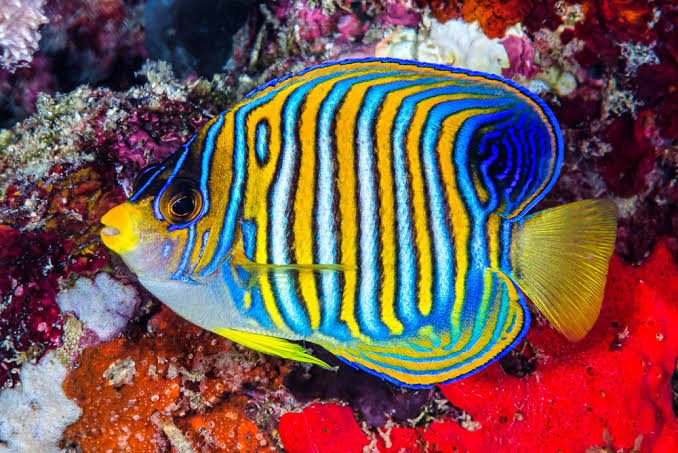
Ask any experienced reef keeper to name the most beautiful angelfish in the hobby, and the Regal Angelfish comes up almost every time. Its vertical bands of orange, white, and blue look painted on, not grown. That beauty comes with a warning label, though. The Regal Angelfish has a long history of starving to death in home aquariums, not because it’s a weak species, but because most of the ones sold in the trade were never properly conditioned before they reached a buyer’s tank.
The good news is that this is a solvable problem. A properly quarantined, actively eating specimen behaves completely differently than a stressed wild-caught fish shipped straight from a wholesaler. If you’re browsing quarantined Regal Angelfish for sale, here’s what actually determines whether yours thrives or becomes another cautionary tale.
Start With the Right Specimen
Success with this species starts before the fish ever reaches your tank. Two color variants are commonly available, and the difference between them isn’t just cosmetic.
The Regal Angelfish (Red Sea)(Yellow Belly) is priced between $399.99 and $469.99 depending on size, and it’s widely considered the hardier of the two thanks to superior collection and handling practices in the Red Sea region. The Regal Angelfish (Bali)(Grey Belly) runs $299.99 and offers a slightly different look with a blue-grey chest instead of the vivid yellow breast.
Neither variant should be purchased unless you’ve confirmed the fish is already eating. This single detail matters more than price, tank size, or setup. A Regal Angelfish that refuses food for more than a week rarely recovers, so buying from a source that guarantees the fish is feeding before it ships removes most of the risk.
Build the Tank Around the Fish’s Instincts
Tank Size and Aquascape
A minimum of 125 gallons is the baseline for an adult Regal Angelfish, and larger is genuinely better here. This isn’t a species that adapts well to being crowded. It needs a mature, well-established system, ideally one that’s been running for six months or longer, with dense live rock, caves, and ledges it can retreat into.
Skip the bare, minimalist aquascape. Regals are naturally cautious, and a tank without enough hiding spots keeps them stressed, which suppresses appetite and immune function at exactly the time both matter most.
Water Parameters That Won’t Punish Mistakes
This species is unusually sensitive to swings in water quality. Keep temperature between 72 and 82°F, pH between 8.1 and 8.4, and nitrates as close to zero as you can manage. A newly cycled tank with fluctuating parameters is one of the fastest ways to lose a Regal Angelfish that was perfectly healthy on arrival.
Feeding Is the Real Success Factor
In the wild, Regal Angelfish graze almost exclusively on sponges and tunicates. That specialized diet is exactly why so many fail in captivity when owners assume flake food will do. Offer frozen mysis shrimp, enriched brine shrimp, chopped clams and mussels, nori sheets, and angelfish preparations that contain actual sponge matter. Feed small portions three to five times a day rather than one large feeding, since this fish is a slow, deliberate eater that gets outcompeted by faster tank mates.
Well-fed Regals are also far less likely to nip at corals, so consistent feeding solves two problems at once.
Quarantine Before You Add Anything to Your Display
Even a fish that arrives healthy should go through its own quarantine period before joining your main system. This protects both the new arrival and your existing livestock from disease transfer. Our quarantine protocol walks through exactly how we condition every fish before it ships, and if you want a deeper look at why timing matters so much, this breakdown of how long saltwater fish should stay in quarantine is worth reading before your fish arrives.
Acclimate Slowly, Then Leave It Alone
The first 24 to 48 hours after acclimation set the tone for everything that follows. Rushing the drip acclimation process is a common and avoidable mistake. Follow our acclimation guide step by step, dim the lights for the first day, and resist the urge to keep checking on the fish. Regal Angelfish settle in faster when they’re left to explore on their own terms.
Choosing Tank Mates Wisely
Regal Angelfish do best with peaceful to moderately active fish that won’t outcompete them for food or bully them out of hiding spots. Avoid housing them with other large angelfish species, since territorial conflicts between Pomacanthus and Holacanthus species can be serious. For a full breakdown of which species pair well together, our saltwater fish compatibility guide is a useful reference before you start stocking.
Mistakes That Take This Fish Down Fast
A few patterns show up again and again in failed attempts at keeping this species. Buying a discounted or clearance-priced specimen is one of the biggest red flags, since healthy fish are rarely marked down. Skipping quarantine to save time is another. Assuming the fish will “eventually” start eating pellets without offering meaty, sponge-based foods first is a third. Each of these mistakes is entirely avoidable with the right preparation.
A Fish Worth the Effort
The Regal Angelfish isn’t a beginner fish, and it was never meant to be one. But with a properly quarantined specimen, a mature tank, and a feeding routine built around its natural diet, it becomes one of the most rewarding fish you can keep. If you’re ready to bring one home, browse our current Regal Angelfish for sale and look for a specimen that’s confirmed eating before you commit.
If you’re also considering another large marine angelfish for your system, our Emperor Angelfish care guide covers what to expect from a very different but equally striking species.