

The Ultimate Saltwater Fish Buying Checklist Every Hobbyist Needs

The Ultimate Saltwater Fish Buying Checklist Every Hobbyist Needs
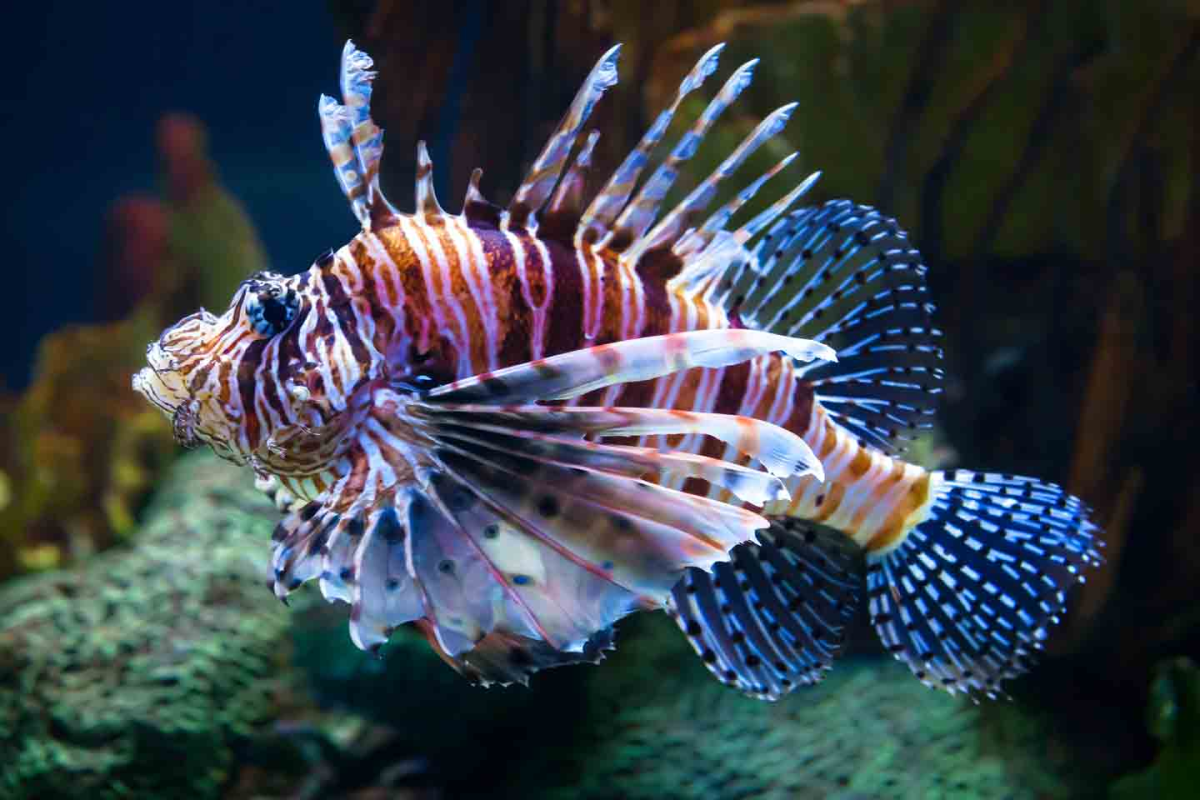
Buying a saltwater fish is easy. Buying the right one, at the right time, from the right source, is where most hobbyists trip up. A few minutes of checking before you click “add to cart” can be the difference between a fish that thrives for years and one that struggles from the first week. Here’s what to run through before every purchase.
1. Is Your Tank Actually Ready?
Before shopping for anything new, confirm your tank has been fully cycled and your parameters have been stable for at least a couple of weeks. Adding a fish to a tank that’s still cycling is one of the most common beginner mistakes, and it’s an easy one to avoid with a simple test kit and a little patience.
2. Check the Fish’s Adult Size
That small, colorful fish at the store might not stay small. Research the full-grown size before buying, not just what it looks like today. A saltwater fish category listing usually notes adult size alongside temperament, which makes this step quick to check before you commit.
3. Confirm Compatibility With Your Current Stock
Even a healthy, well-priced fish can cause chaos if it doesn’t get along with what’s already in your tank. Running any potential purchase past a compatibility chart takes a few minutes and can save you from an expensive rehoming situation later.
4. Ask About Quarantine History
Where did this fish come from, and has it already been through disease treatment? Livestock that’s completed a proper quarantine protocol arrives with a far lower risk of introducing parasites into your system. If a seller can’t answer basic questions about their process, that’s worth noting before you buy.
5. Compare Pricing Across Sources
Prices for the same species can vary quite a bit between vendors, and unusually low prices sometimes reflect corners cut on quarantine or sourcing. As a general reference point, a captive-bred Ocellaris Clownfish typically runs $29.99 to $49.99, a Midas Blenny sits around $99.99, and a Copperband Butterflyfish falls between $149.99 and $189.99. Prices well below this range for the same species are worth a second look before buying.
6. Read the Guarantee Terms
Every seller handles dead-on-arrival and stay-alive guarantees differently. Some require photo documentation within a set window, others offer store credit instead of refunds. Reading the terms and conditions before you order means there are no surprises if something goes wrong during shipping.
7. Plan Your Shipping Day
Livestock shipping is time-sensitive, and fish sitting in a box longer than necessary adds stress. Check the seller’s shipping schedule and make sure someone will be home to acclimate the fish promptly the day it arrives, rather than leaving the box sealed for hours.
8. Have Your Quarantine Tank Set Up First
Don’t wait until the fish arrives to set up a hospital tank. Have it cycled, heated, and ready to go before you place the order, so the new arrival can go straight into observation rather than sitting in a bag while you scramble for equipment.
9. Budget for the Full Setup, Not Just the Fish
The sticker price of the fish is rarely the full cost. Shipping, quarantine medication, and any supplies you’re missing all add up. Some sellers offer discounted shipping rates on larger orders, so it’s worth checking if combining a few purchases makes sense for your budget.
10. Ask Questions Before You Buy
If anything about a listing is unclear, whether it’s sizing, temperament, or shipping timing, ask before ordering rather than after. A quick message through a contact page usually clears things up faster than guessing, and reputable sellers are generally happy to answer.
Bonus: Watch for Loyalty and Reward Programs
If you’re planning to stock a tank over several months rather than all at once, checking whether a vendor offers any kind of rewards program can add up to real savings across repeat orders.
Final Thoughts
None of these steps take long individually, but together they turn an impulse purchase into an informed one. Run through this checklist before your next order, and you’ll spend a lot less time troubleshooting problems and a lot more time actually enjoying your reef.