
Longfin Ocellaris Clownfish

Longfin Ocellaris Clownfish: Care, Breeding, and Tank Setup
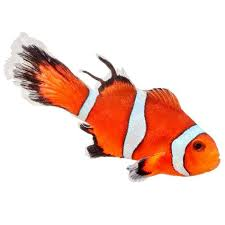
The Longfin Ocellaris Clownfish (Amphiprion ocellaris) takes everything people already love about the iconic clownfish and adds a stunning twist. Instead of the standard short fins of the classic Ocellaris, this captive-bred designer variant displays dramatically elongated flowing fins with rich black borders that give it a feathered, almost theatrical appearance. It carries all the hardiness and charm of the standard Ocellaris with an added layer of visual flair. Here is a complete guide to caring for and breeding this remarkable fish.
What Makes the Longfin Ocellaris Different?
The Longfin Ocellaris is a fully captive-bred designer morph developed through selective aquaculture. Pioneers in this space include ORA (Oceans Reefs and Aquariums) and Sea and Reef Aquaculture, which has produced over 20 longfin clownfish variations since first developing the trait in 2013. The longfin gene produces fins that are only slightly elongated in juveniles but continue to grow as the fish matures, eventually developing into long flowing fins with a rounded, even outline. On a fully grown adult the fins can become genuinely spectacular.
Importantly, the elongated fins do not impede normal swimming ability or behavior in any way. Longfin Ocellaris swim, eat and behave identically to standard Ocellaris clownfish. They simply look more dramatic doing it.
One point worth noting is that some more active or curious reef fish may find the long fins irresistible to nip at. Choosing peaceful tankmates is particularly important for this variant.
Tank Setup
The Longfin Ocellaris is one of the most beginner-friendly marine fish available. A pair can be comfortably housed in a tank as small as 20 gallons, though larger systems of 30 gallons or more offer greater water stability and more flexibility for tankmates. Provide live rock formations with caves and crevices for the fish to claim as territory. Moderate water flow and standard reef parameters apply: temperature 74 to 78°F, pH 8.1 to 8.4, specific gravity 1.023 to 1.025.
An anemone is not required. While Longfin Ocellaris can form symbiotic hosting relationships with anemones such as the Bubble Tip Anemone (Entacmaea quadricolor), they thrive perfectly well without one. In captivity many individuals will adopt a coral, a section of live rock or even a powerhead as their territory. Trying to maintain a host anemone solely for the clownfish is rarely worth the added complexity.
Behavior and Social Structure
Ocellaris Clownfish are protandrous hermaphrodites. All individuals begin life as sexually undifferentiated juveniles. In a pair, the dominant individual becomes female and the subordinate remains male. If the female is removed, the male can transition to female. This means pairing two juveniles of slightly different sizes is the simplest way to establish a bonded pair. The larger fish will become the female and the smaller will become the male.
A bonded pair of Longfin Ocellaris will become closely territorial, defending their chosen spot in the tank with surprising boldness for such small fish. They rarely cause harm to other species but will chase away fish that approach their territory.
Diet
Longfin Ocellaris are omnivores with uncomplicated dietary needs. They readily accept high-quality marine pellets, flake food formulated for carnivores or omnivores, frozen mysis shrimp and vitamin-enriched frozen brine shrimp. Feed once or twice daily. Fish being conditioned for breeding benefit from three feedings per day with a varied and nutrient-rich diet to support spawning activity.
Breeding
The Longfin Ocellaris is one of the more accessible marine fish to breed in the home aquarium. A well-bonded pair will eventually begin courtship behaviors including side-by-side swimming rituals and cleaning of a flat surface near their territory in preparation for egg laying. A slight increase in water temperature to around 79 to 82°F can encourage spawning activity.
A healthy pair can produce between 100 and 1000 or more eggs per clutch. The eggs are guarded and aerated by the male and typically hatch within 7 to 10 days, usually at night. The fry will not survive in the display tank and must be moved to a dedicated rearing setup where they are fed rotifers in the early stages before transitioning to baby brine shrimp and eventually finely crushed flake food.
For the best start, source your Longfin Ocellaris from a quality supplier with a strong quarantine process. Dr. Reef’s Quarantined Fish carries captive-bred specimens that arrive healthy, eating and ready to settle into your reef system.